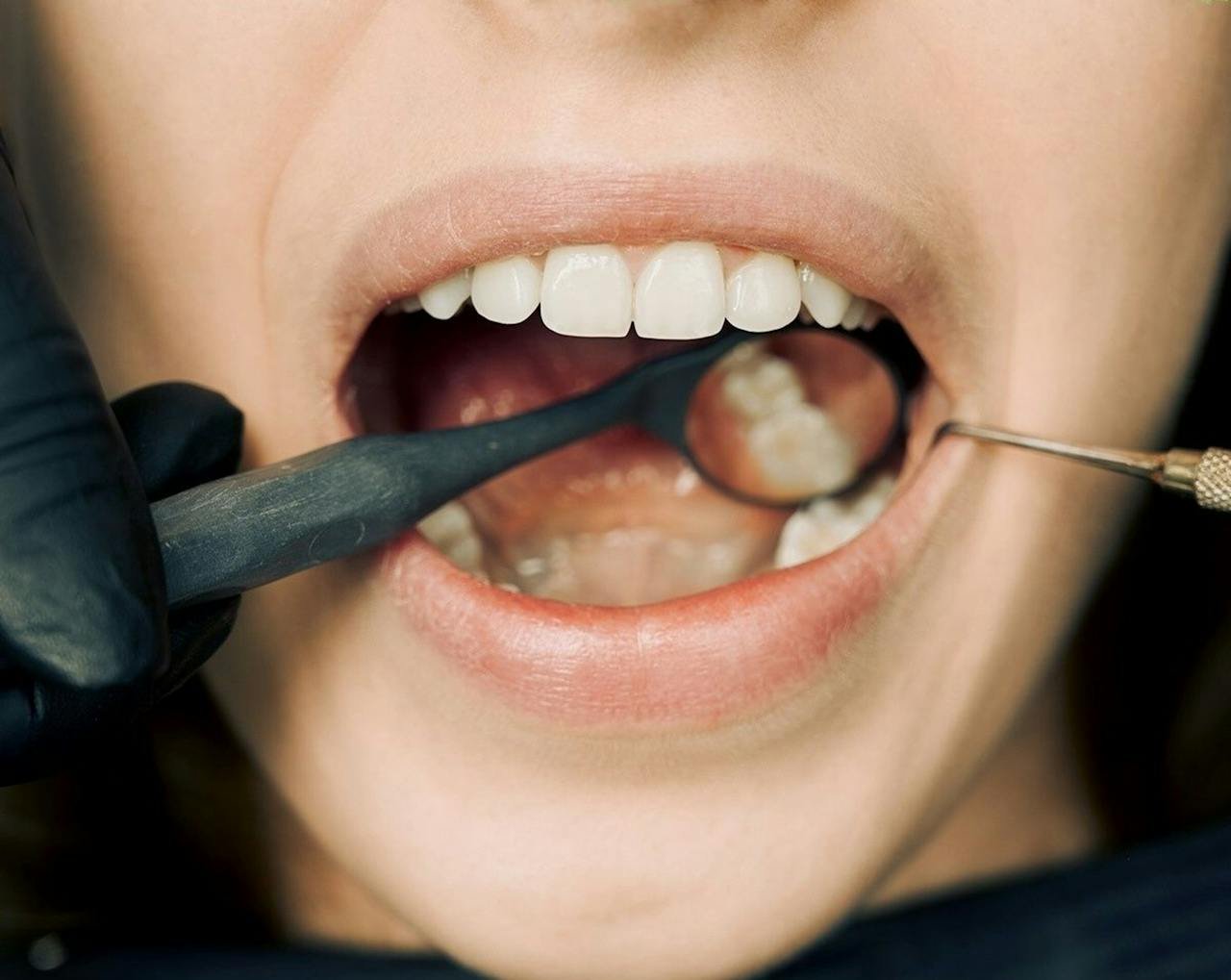
Bad breath can be a persistent problem, one that is not curable by regular brushing and flossing. While most people take care of their teeth and gums, the tongue is generally overlooked, even though it harbors most bacteria that cause bad breath. Its rough texture is a breeding ground for bacteria, food particles, and dead cells, all of which cause bad breath. A clean tongue not only makes the breath better but oral hygiene as well. Fresh breath improves confidence, making social interactions less awkward, either in social or professional environments.
The Hidden Culprit Behind Bad Breath
Bad breath in most cases, originates from the tongue. Its coarse texture traps bacteria, food particles, and dead cells, creating a conducive environment for smell development. While smoother surfaces like teeth, ridges, and crevices of the tongue trap residues, making them harder to remove with brushing alone. Despite brushing, only bacteria accumulate within the deeper grooves of the tongue, bringing about persistent halitosis that is not very easy to eradicate. Mouthwash rinsing can provide temporary relief, but it cannot dislodge the bacteria that are embedded in the surface of the tongue. These odor-causing bacteria are prolific and result in chronic bad breath that is embarrassing and hard to control.
Enhancing Oral Health via Tongue Cleaning
Forgetting to maintain tongue cleanliness can result in worse than bad breath—it may result in plaque, gum disease, and even cavities. Bacteria left behind on an uncared-for tongue may be passed on to teeth and gums, continuing a cycle of poor oral health. This can eventually result in oral infections, inflammation, and even periodontal disease. Bacteria on an unhealthy tongue can travel throughout the mouth, negatively impacting overall oral well-being. In severe cases, these bacteria cause enamel weakening and tooth decay. Scraping or brushing the tongue daily is a quick habit that kills off harmful bacteria and leads to a healthier oral state.
Sharpening the Sense of Taste Through Improved Hygiene
A coated tongue numbs taste receptors, so flavors are not as intense. Bacterial and debris buildup forms a coat that inhibits proper sensing of food and drinks. This has the effect of making favorite foods taste flat and less desirable, reducing the pleasure of eating. The tongue has thousands of minute taste buds which detect sweet, salty, sour, and bitter flavors. As they are matted with a coating of debris, they are less sensitive and result in a blunted taste. Regular tongue cleaning removes this film, allowing taste buds to work at their best. Most people discover that they have a definite improvement in their sense of taste for different flavors as soon as they incorporate proper tongue hygiene into their daily habits.
A Simple Tool for a Big Difference
Many people use their toothbrush to brush their tongue, but the method is not always effective. A toothbrush is designed for teeth and will not necessarily remove bacteria off as well from the tongue surface. The soft bristles of a toothbrush can push bacteria deeper into the crevices of the tongue rather than removing them completely. A tongue scraper is designed to scrape out debris with light but strong strokes. This particular device cuts deep into the tongue’s surface to scrape away debris, better than a simple brushing. With regular use of a tongue scraper, individuals can significantly reduce bacteria, freshen their breath, and expand their oral hygiene habits with little effort.
Conclusion
Having fresh breath and a healthy mouth is more than brushing and flossing. The tongue is an important part of oral hygiene and should never be overlooked. Tongue cleaning is a simple yet effective practice that can significantly improve oral hygiene. A clean tongue can lead to fresher breath, better taste, and improved general health. It eliminates bad breath, improves flavor, and even has a positive effect on general health. This small but efficient addition to an oral hygiene routine can reap long-term benefits, preventing bad breath and keeping bacteria levels in check.