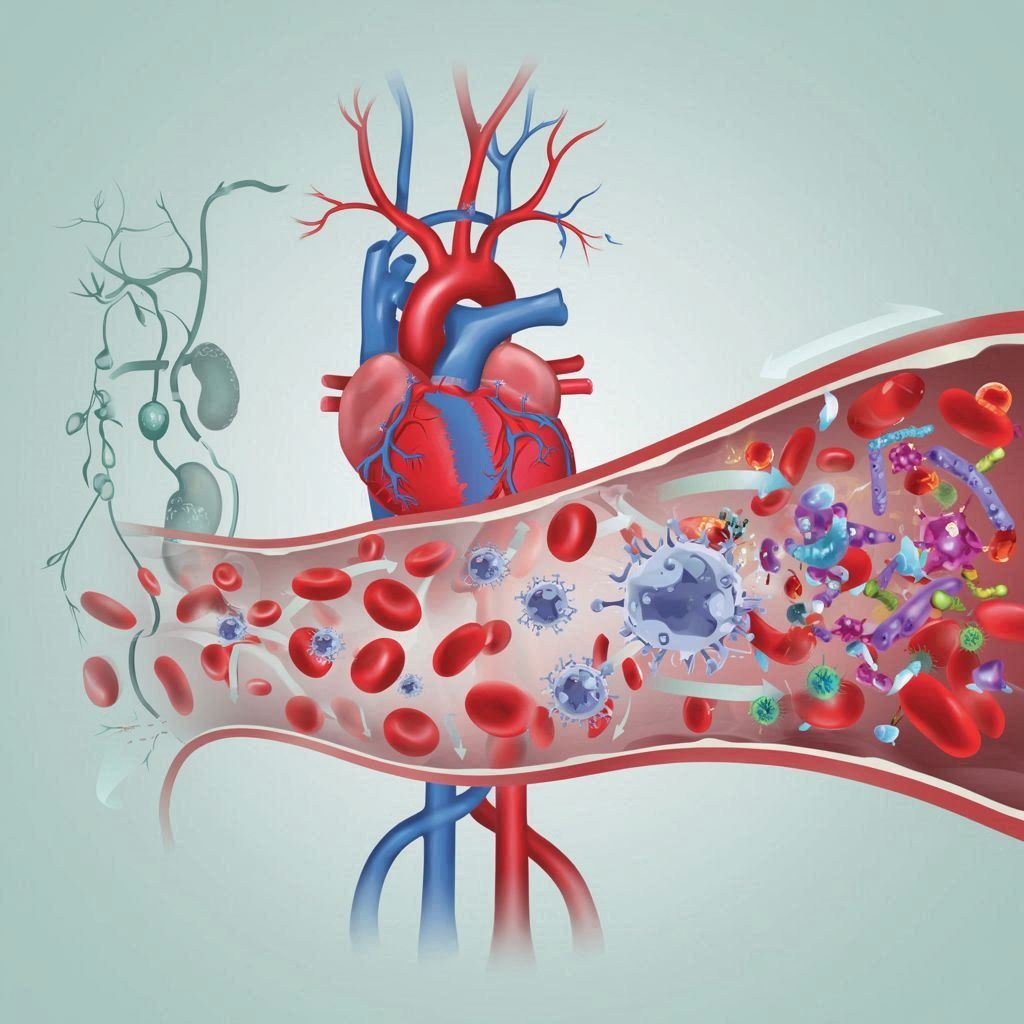
A human being is always exposed to microorganisms, including bacteria, viruses, and other possible harmful organisms. Although they are constantly exposed to this, the majority of people stay healthy because immunology works in unison. Although body parts like the lymph nodes, the spleen and bone marrow are noted to play a significant role in the immune system, the circulatory system also plays an important role in body defense against disease. When effective circulation is absent, immune cells and protective molecules could not get to the areas of infection promptly in order to avert disease.
Circulatory system is the main transport system in the body that supplies the body with immune elements as they are most required in the tissues and organs. White blood cells, antibodies and chemical signaling molecules depend on constant flow of blood to circulate in the body. The advantage of this dynamic system is that threats are detected quickly, focused responses of the immune system, and recovery after infection.
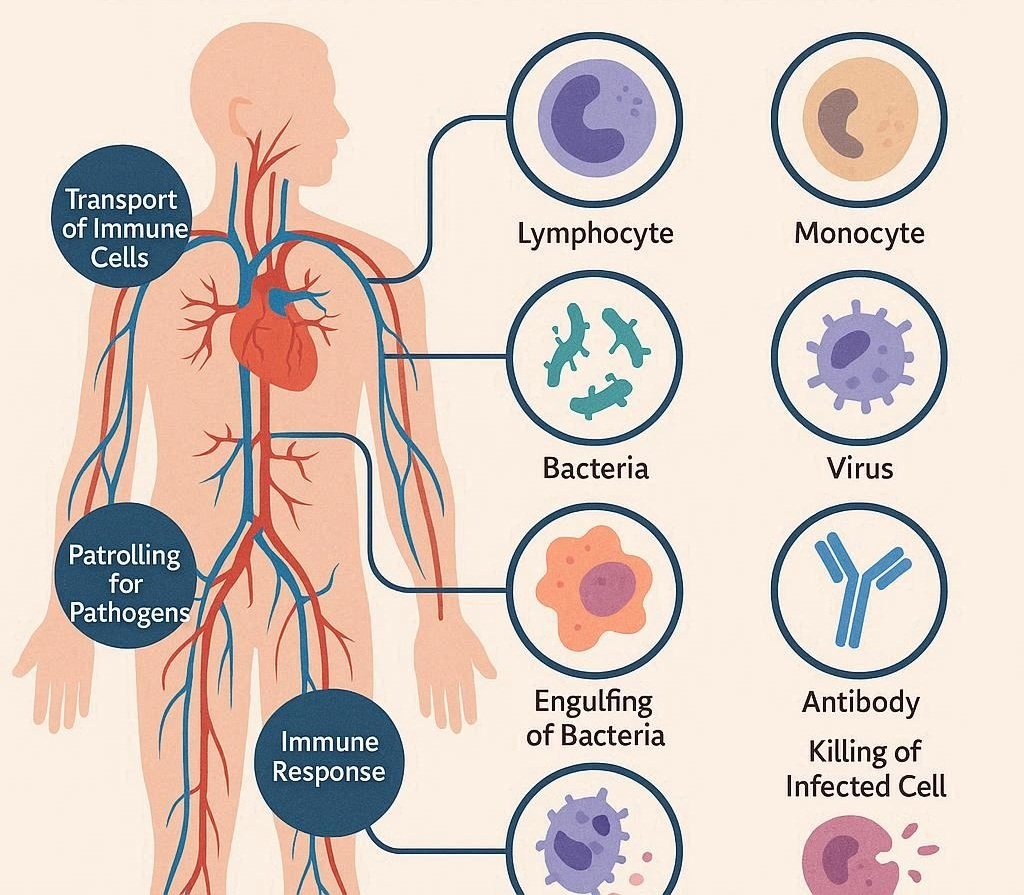
This article discusses the role of the circulatory system in immune activity and prevention of diseases. It describes how circulation facilitates immune surveillance, orchestrates reactions to infection, and leads to resilience to disease in the long term.
Pattern of the Circulatory System
The circulatory system comprises of the heart, blood and a large system of blood vessels which include arteries, veins, and capillaries. Its main role is to move substances within the body such as oxygen, nutrients, hormones, waste products and immune constituents. Blood flow is constant, guaranteeing the continuous supply of all the tissues and their protection.
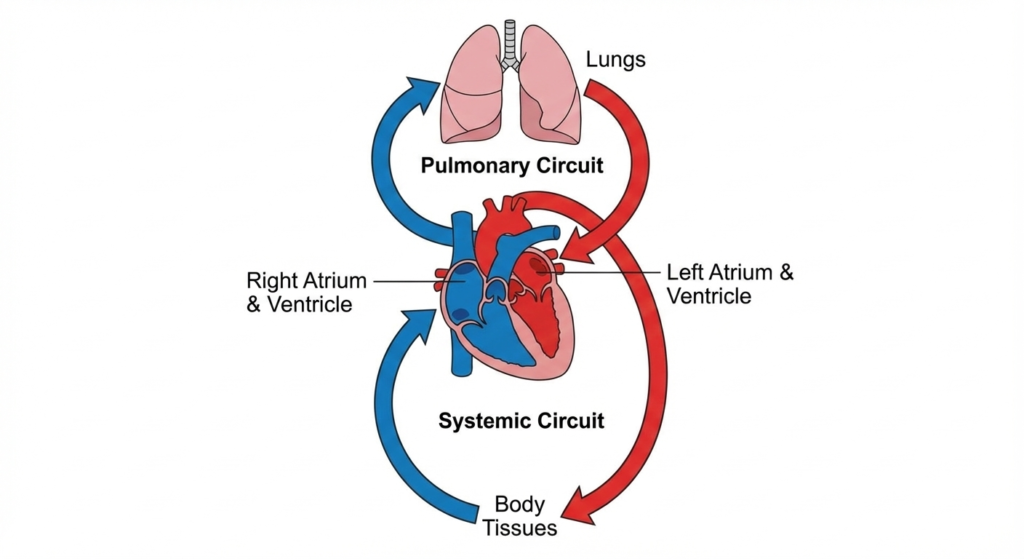
This system is closed circuit where the heart creates the pressure to push blood in vessels. Arteries transport blood out of the heart, veins bring it back and capillaries permit interchange of blood and tissue. This type of structure allows a proper allocation of immune cells and signaling molecules to all parts of the body.
The circulation rate and the immunological coverage rendered the circulatory system essential to the immune system as it enables any danger to be counterattacked despite its location.
The Circulatory System and Its Necessity to the Immune System
The immune system is a combination of special cells, tissues and molecules that combine in identifying and destroying dangerous invaders. The white blood cells, antibodies, cytokines, and other immune factors need to move all over the body in order to carry out their duties. This movement is brought out by the circulatory system.
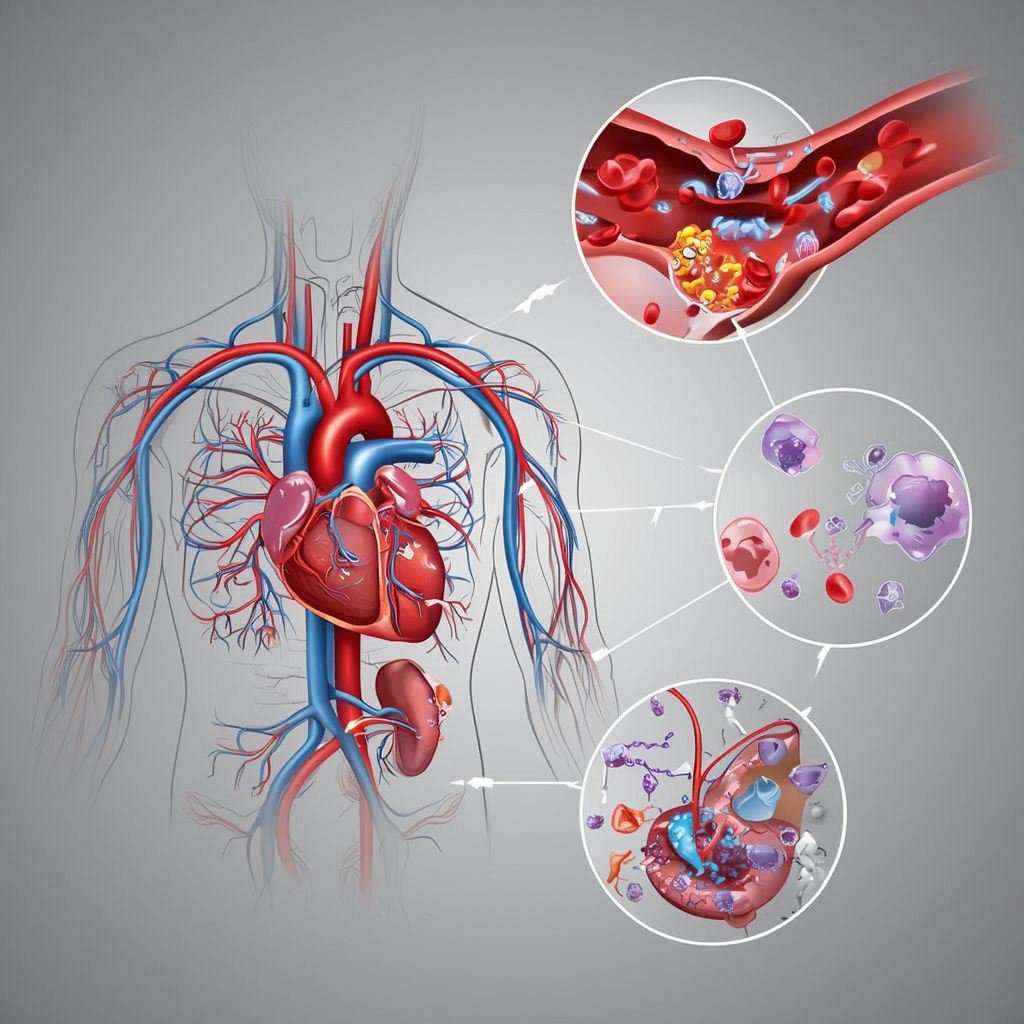
Without the circulation, the immune cells would become confined in certain organs such that they would not be able to access the infected tissues. Blood circulation enables the immune elements to patrol the body, identify the pathogens in their early stages, and develop immune responses before the infection develops into serious illnesses.
Circulation and immunity are tightly connected, and it is important to note that cardiovascular health is strictly related to immune resilience.
White Blood Cells and Immunosurveillance
Immune defense is centrally dependent on white blood cells. They are formed in the bone marrow and are carried in the blood and always check whether there is infection or damage to tissues. These cells are able to move to almost any part of the body through circulation.
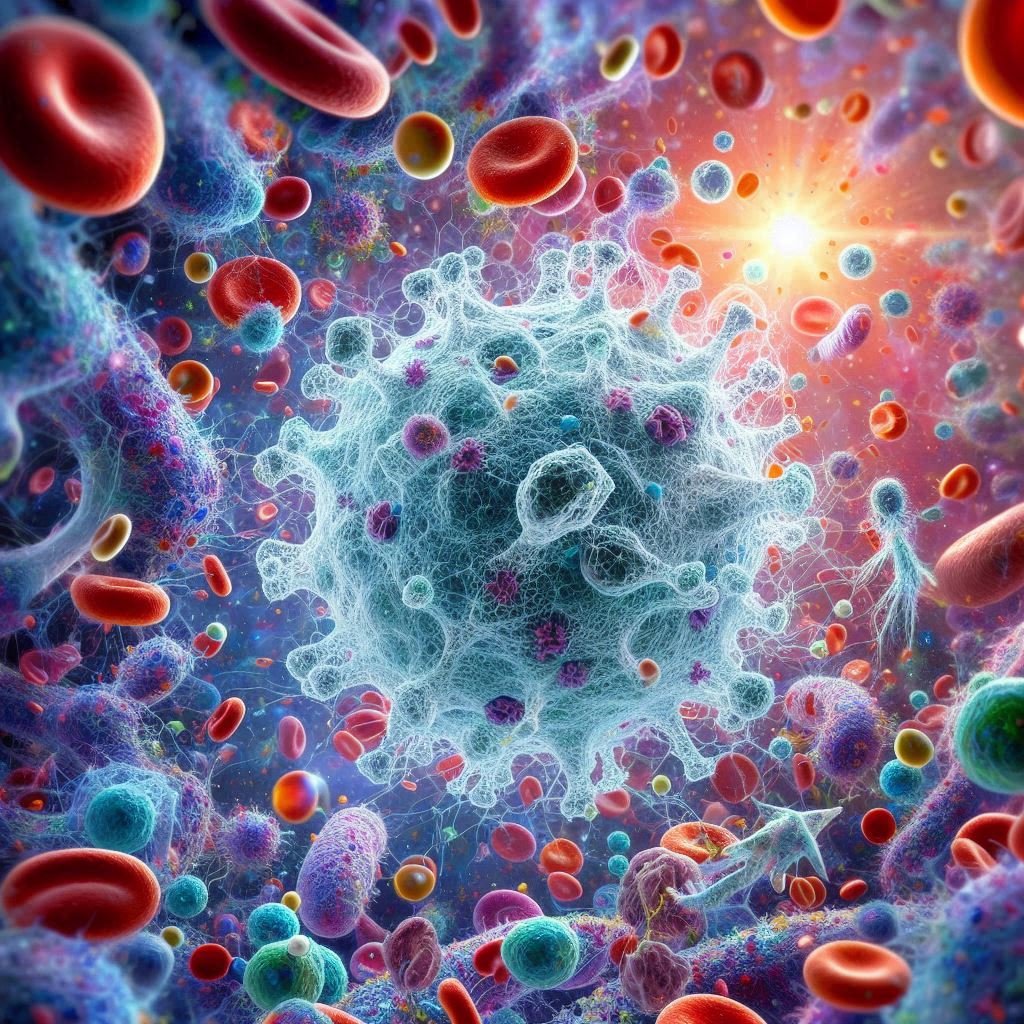
There are the white blood cells, which are in circulation and others, which leave the blood vessels and enter into tissues when required. Through this, the concentration of immune cells at the points of infection becomes possible. When there they kill pathogens, eliminate damaged cells and produce signals attracting further immune support.
The circulation is facilitated by the speed of movement of white blood cells, and this fact ensures that the immune reaction is timely to mitigate infection spreading and reducing its magnitude.
Antibodies Transportation by the Blood
Antibodies are specialized proteins that are manufactured by immune cells to identify and attach with a certain pathogen. When set free, the antibodies circulate in blood and lymph, and thus they can reach the infected tissues and destroy harmful factors.
Antibodies are spread in the entire body by circulatory system, and they combine with the pathogens wherever they find them. Antibodies coat the bacteria or viruses that are attached to them, and this aids in the destruction of these bacteria or viruses by the immune system or prevents their entry into healthy cells.
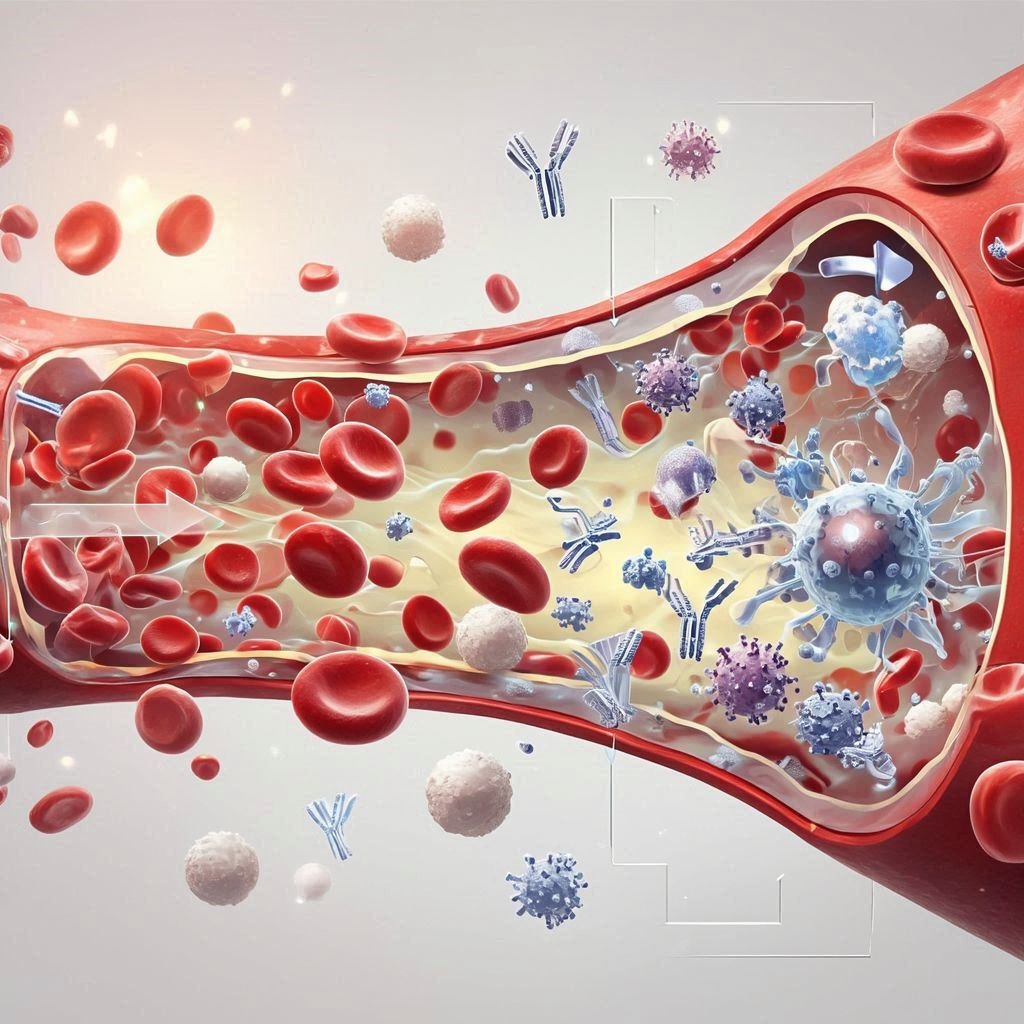
This broad distribution is a prerequisite of systemic immunity which provides cover in areas outside of the original area of infection.
The Immune Communication of Signaling Molecules
Immune functions need cell communication. Immune activity is coordinated by the chemical signaling molecules cytokines and chemokines that control cell movement, defense activation, and inflammation.
These signaling molecules are distributed to the target tissues and immune organs by the circulatory system. In case of an infection the remotely located immune cells and organs are alerted by the signaling molecules that are released into the bloodstream, and respond in a coordinated manner.
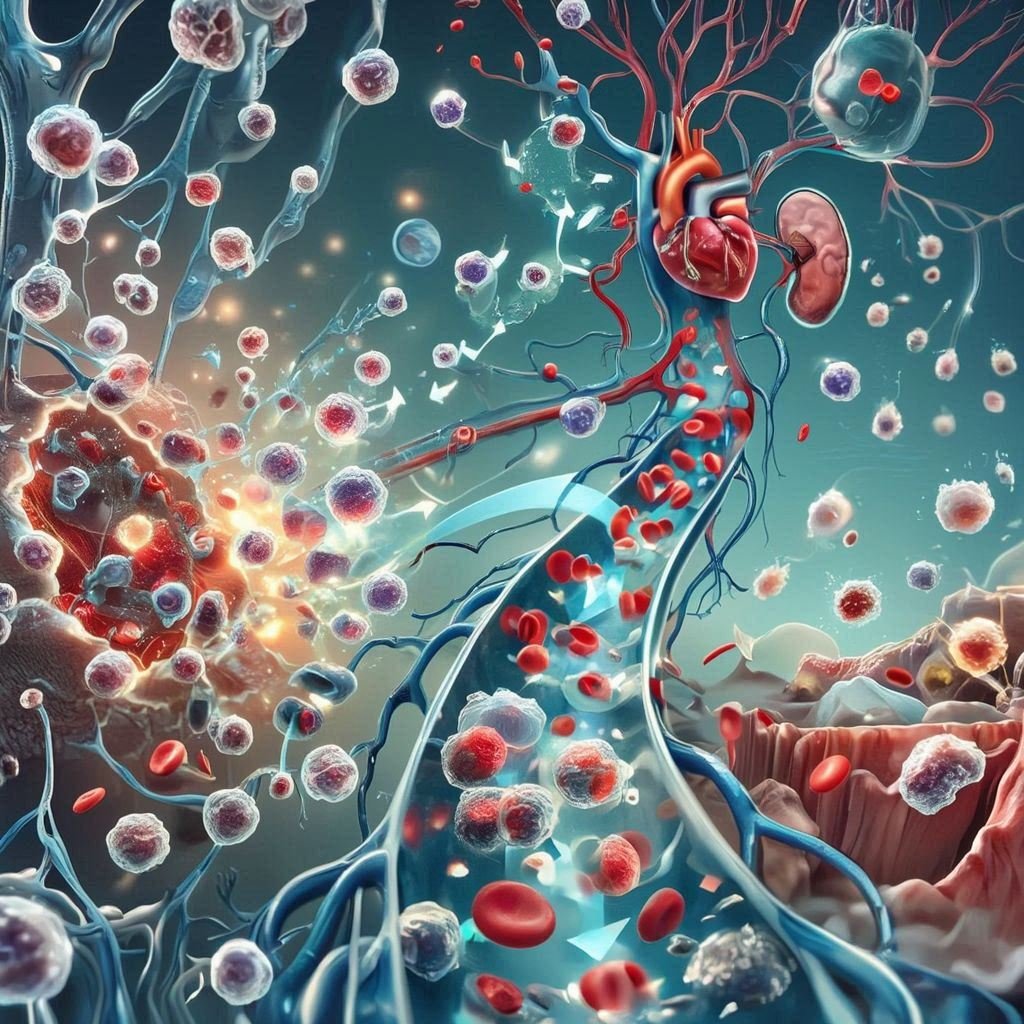
This network of communication enables the immune system to act in a unified manner in response to an external stimulus and not in isolated manner enhancing efficiency and effectiveness.
Sites of Immune Exchange Capillaries
Capillaries are also very essential in immune defense since they are points of exchange of blood and tissues. The thin walls of the blood vessels enable the white blood cells to leave the blood and get to tissues where infections have taken place.
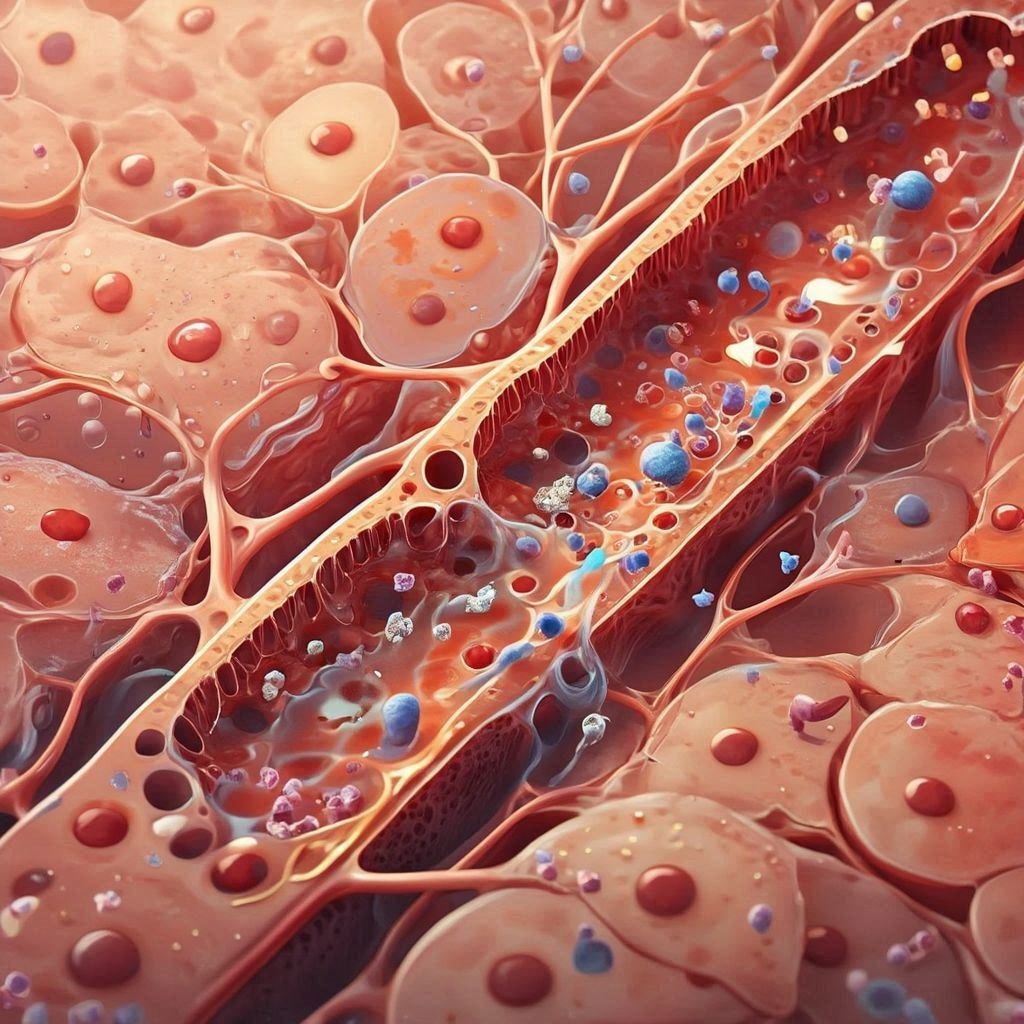
Capillaries at inflamed locations become more permeable to allow the inflammation of immune cells and antibodies. This response can be localized and the tissue damage around the area is minimal since this can defend and cause minimal damage to the area.
Capillary networks provide the ability of the immune parts to reach even the tiniest and most remote tissues, which can guarantee extensive safety.
Inflammation and Circulatory Response
One of the major aspects of immune response is inflammation. This accelerates blood flow to injured regions, and more immune cells, antibodies, and nutrients required to defend and repair are transported.
Inflammation is aided by circulatory system, the process of dilating blood vessels and raising permeability. This mechanism enables the concentration of immune elements in areas of injury or infection, and this increases the destruction of pathogens.
After the threat is solved, circulation aids in the elimination of waste products and the surplus of immune cells, which facilitates healing and normal tissue functioning.
The Use of Blood in Preventing Diseases
In addition to acting in reaction to active infections, the circulatory system has a preventative effect in terms of having immunological preparedness. Constant movement enables the immune cells to survey the body and detect possible danger in advance.
This surveillance eliminates the chances of the establishment of infections. Circulation prevents minor exposures that can be developed into serious diseases by acting promptly through delivery of immune components to emerging threats.
Normal flow promotes immediate protection and prevents diseases in the long run.
Body Interactions Lymphatic and Immune Organs
The lymphatic and the immune systems like the spleen and the lymph nodes are closely related to the circulatory system. Immune cells are brought to these organs by blood where they become activated and multiplied.
The activated immune cells are then returned into circulation, and they move to sites of infections. This contact makes the immune responses amplified and directed adequately.
Through the formation of an interconnected network of circulatory and immune systems, a coordinated defense network is formed which is adaptable to various threats.
Healthy Blood Circulation and Immunity
Circulatory health determines the success of immune defense. The circulation may be poor that impedes the supply of immune cells and antibodies, retards the reaction and puts one at risk of infection.
Diseases that weaken blood flow limit immune vigilance and deteriorate the immune system to combat disease. Proper blood flow promotes powerful immune reactions and general energy.
Physical exercise, good diet, and fluid intake are lifestyle practices that contribute to the circulatory and immune systems.
Adaptation in Physical Stress and Disease
In case of physical stress or illness, the body changes circulation to meet the requirements of immune needs. Further, the circulation of blood to infected or damaged tissues is improved, and the production and activation of immune cells are stimulated.
This adaptability has the benefit of making sure that even in different conditions the immune defenses are functioning. When the recovery process starts, circulation assists in restoring balance by excretion of inflammatory byproducts and aids in the process of tissue repair.
These dynamic changes underscore the ability of the circulatory system to help in keeping the immune affairs stable.
Long term immunity is based on memory cells and antibodies that are left in the bloodstream following overcoming of an infection. These elements allow more rapid and robust reactions to the subsequent exposure to the pathogens.
These immune elements are circulated by the circulatory system and therefore offer continuous protection. This is the system that contributes to the formation of long-term immunity of the organism.
Good blood circulation thus promotes short-term and long-term immunity.
Conclusion
Circulatory system forms a basic cornerstone of immunity and prevention of diseases. It facilitates quick response of threats and coordination of immune response by the entire body by ferrying white blood cells, antibodies, and signaling molecules.
The immune components are distributed throughout the body with the help of circulation, which promotes surveillance, inflammation, healing, and long-term protection. Good blood flow improves the effectiveness of the immune system, the ability to fight infections, and general health resistance to disease.
Knowing the purpose of the circulatory system in immunity makes it imperative that the circulatory system is not just important in maintaining life but also health and health prevention in the long run.