

You want a safe birth, not a scary blur of rushed decisions. The problem is no one explains who actually stands beside you on that day. Midwives offer steady guidance and evidence-based care so you feel informed, heard, and in control from bump to baby at every single step.
The role of midwives in modern maternity care matters for every expectant family with a low-risk pregnancy. The World Health Organisation, the Royal College of Midwives, and the American College of Nurse Midwives all note that well-trained midwives can reduce interventions and improve experience inside regulated systems. This guide explains what midwives do, where they work best, and how to decide if their model fits your birth plan.
Core Responsibilities of Midwives

Many parents still wonder if midwives only appear to catch the baby. In reality, a qualified midwife walks with you through the whole maternity journey. They handle antenatal checks, track blood pressure and growth, order key tests, and watch for warning signs that need an obstetric review [Source: The Mother Baby Centre]. During labour, they coach breathing and positions, explain options, and monitor the baby with handheld Dopplers or hospital monitors when needed. After birth they check your recovery, support feeding, and assess your newborn. Clinical guides from providers such as Gagon Family Medicine describe midwives as primary carers for many low-risk pregnancies, with clear referral routes to doctors if complications appear [Source: Gagon Family Medicine]. Knowing this scope can ease the fear that “midwife” means “less care” instead of “different style of care.”
The Value of Midwifery Support

If you fear feeling rushed or ignored in a busy unit, you are not alone. On forums like r/BabyBumps, many mothers describe midwives as the people who sit, listen, and remember the details of their story, not just the chart. Research in BMC Pregnancy and Childbirth links midwife-led care with fewer interventions and high satisfaction for low-risk pregnancies. Midwifery care from SEGO Midwife builds on that evidence. You see the same team, so you repeat your history less and share your fears more. They help you shape a birth plan that fits your values, then stay present during labour and postpartum, so you feel guided, not pushed, when decisions arrive.
Technology in Modern Midwifery
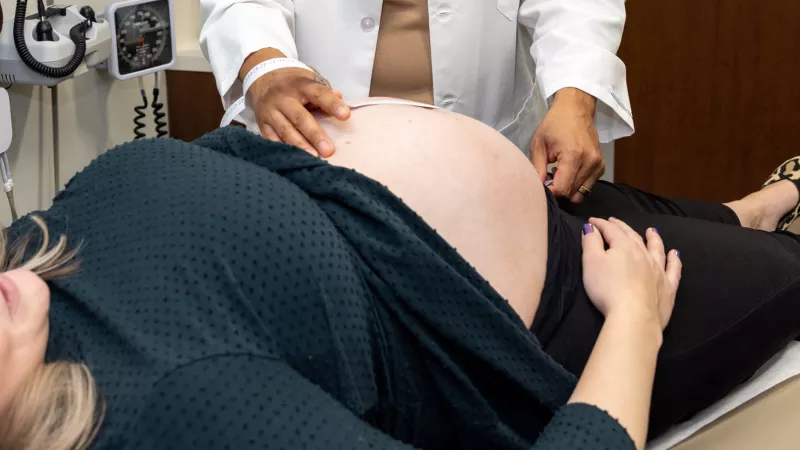
Some people picture midwives with only a birth stool and a notebook, and that image can raise doubts about safety today. In practice, many midwives work in hospitals or clinics that use electronic health records like Epic or Cerner. Your team can see the same scans and lab results, so information flows. During labour they may use handheld Dopplers, cardiotocography, or portable ultrasound, just as doctors do when these tools help. For checkups and teaching, midwives use telehealth visits, secure messaging, and pregnancy apps backed by groups like Mayo Clinic. Technology supports careful monitoring while the midwife still focuses on eye contact, steady coaching, and your birth goals.
Patient Centered and Holistic Care

If you have ever felt like a number in a waiting room, patient-centred care matters. Studies in the European Journal of Midwifery and related research show that women in midwife-led models report more privacy, dignity, and shared decisions than in many standard settings. Midwives ask what matters to you, from cultural needs to movement in labour and who you want nearby. They also check sleep, mood, support at home, and feeding plans. After birth, they help with breastfeeding, newborn care, and early mental health checks, which can lower anxiety and depression risk. This wide lens means your body, mind, baby, and family stay in view, not just your test results.
A Key Part of Modern Pregnancy Care

You might still worry that choosing a midwife means choosing less safety. That concern makes sense, especially when headlines mix up unassisted birth with regulated midwifery. In reality, the World Health Organisation and national guideline groups like NICE describe trained midwives as core providers for low risk pregnancies, with clear referral routes when risk rises [Source: Open Access Journals]. Reviews in journals such as BMC Pregnancy and Childbirth link midwife-led models with fewer cesareans and similar or better newborn outcomes in that group [Source: SpringerLink]. In a Mount Sinai Health System article, economist and mother Dr Ellerie Weber credited midwives with calm births that felt safe and normal [Source: Mount Sinai Today] The takeaway is not to avoid doctors, but to see midwives and obstetricians as partners on one shared maternity team.
Conclusion
You deserve more than a random name on the rota when labour starts. You deserve a birth team that knows you, respects your choices, and uses evidence to guide each step. For many low risk pregnancies, regulated midwifery care delivers that mix of personal attention, lower intervention rates, and strong safety outcomes when linked with hospital support. A service like SEGO Midwife can sit within that model, working alongside obstetricians and paediatric teams rather than apart from them. As you plan your pregnancy care, ask about midwife led options in your area, check credentials, and explore how appointments, labour support, and postpartum