Introduction
A shifting view of meditation
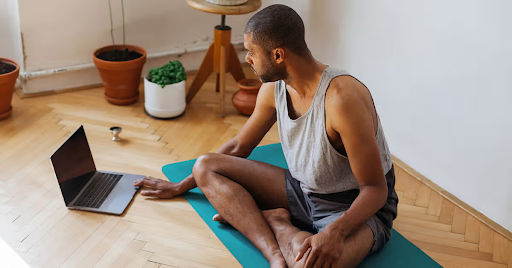
Meditation has long been associated with solitude. The traditional image is familiar: a person sitting quietly in a peaceful room, focusing inward and disconnecting from the noise of daily life. While solo practice remains valuable, a noticeable shift is taking place in the wellness world. More people are discovering that group meditation offers a different kind of experience—one built on connection, shared intention, and community.
For many individuals, maintaining a meditation routine can be difficult. Motivation naturally rises and falls, and without external support, even strong intentions can fade over time. This is why interest in meditating with others experiences and shared mindfulness spaces continues to grow.
A blend of practice and connection
In simple terms, group meditation combines personal mindfulness practice with the benefits of social participation. Instead of relying entirely on self-discipline, people share a rhythm with others, which can make consistency feel more natural. This is one reason group meditation app tools and offline wellness meetups are becoming more relevant today.
At the same time, technology is playing an unexpected role in this shift. Rather than keeping people glued to screens, certain platforms are helping individuals step away from devices and reconnect in real-world settings.
Why Group Meditation Is Often Easier to Maintain
Consistency is often the hardest part of any mindfulness practice. While solo meditation depends entirely on personal motivation, group settings introduce structure and shared commitment that can make the habit easier to maintain.
Shared structure and accountability
Some practical reasons include:
- Fixed schedules that create natural routine and rhythm
- Gentle accountability when others expect participation
- Social motivation that helps reduce skipped sessions
- A sense of belonging within a shared practice
- Learning from others in different stages of mindfulness
- Greater emotional reinforcement from collective energy
- Easier recovery after breaks due to group continuity
Turning practice into routine
When people attend in-person meditation sessions regularly, the practice becomes less about discipline alone and more about connection. Over time, this shared structure can help turn meditation into a stable part of weekly life.
The Psychological and Social Benefits of Meditating Together
Beyond consistency, there are deeper psychological and social reasons people are drawn to meditate with others.
The importance of human connection
Modern life is increasingly digital, yet emotional connection remains a human need. The U.S. Surgeon General Social Connection Advisory on social connection highlights how meaningful relationships are strongly associated with overall well-being and resilience:
What group practice may support
From a mindfulness perspective, group settings may offer:
- A sense of shared presence during practice
- Reduced feelings of isolation in daily life
- Emotional support through community interaction
- Opportunities to form meaningful connections
- Encouragement to maintain healthier routines
- Exposure to different mindfulness perspectives
- A feeling of participation in something larger than oneself
Research from NCCIH also suggests that meditation and mindfulness practices may support stress management and emotional balance in some individuals when practiced consistently:
Similarly, Harvard Health notes that strong social ties are linked to better emotional and physical outcomes:
How Mindful Technology Helps People Reconnect in Real Life
Although technology is often associated with distraction, a new wave of wellness tools is using it differently—helping people step away from screens and into real-world interaction.
Technology as a bridge, not a barrier
Instead of replacing human connection, these tools are increasingly designed to support it by helping users discover local mindfulness experiences.
This includes:
- Locating nearby wellness gatherings and sessions
- Connecting people interested in group mindfulness
- Supporting organizers of community meditation events
- Helping users find meditation groups near me
- Encouraging participation in offline mindfulness spaces
- Building stronger local wellness communities
- Making it easier to try in-person meditation for beginners
Example of this shift
For example, The Pinealage app is one platform that reflects this shift by helping people discover small local group meditation meetups and connect with others nearby.
In this way, a modern group meditation app is less about screen time and more about reducing it—guiding people back into real-world environments where shared presence matters more than digital engagement.
Why Shared Stillness Continues to Grow
A cultural shift toward slowing down
As daily life becomes faster and more digitally saturated, many people are seeking slower, more intentional forms of connection. This is one reason group meditation continues to grow in popularity across different communities and age groups.
Presence over performance
Unlike individual practice, shared mindfulness creates a subtle sense of connection without pressure or performance. People sit together, breathe together, and simply share time in silence. That simplicity is often what makes it powerful.
A more connected future of mindfulness
Rather than replacing solo practice, group experiences add another layer—one that supports consistency, emotional grounding, and human connection. Over time, this blend of mindfulness and community can help people build routines that feel more stable and meaningful.
Technology will likely continue supporting this movement, not by replacing real-world interaction, but by making it easier to find. Whether through local listings, community groups, or wellness platforms, digital tools are increasingly acting as bridges to offline life rather than barriers.
In a world full of constant noise, group meditation offers something rare: a shared pause. And for many, that shared pause is becoming one of the most sustainable ways to stay present in everyday life.