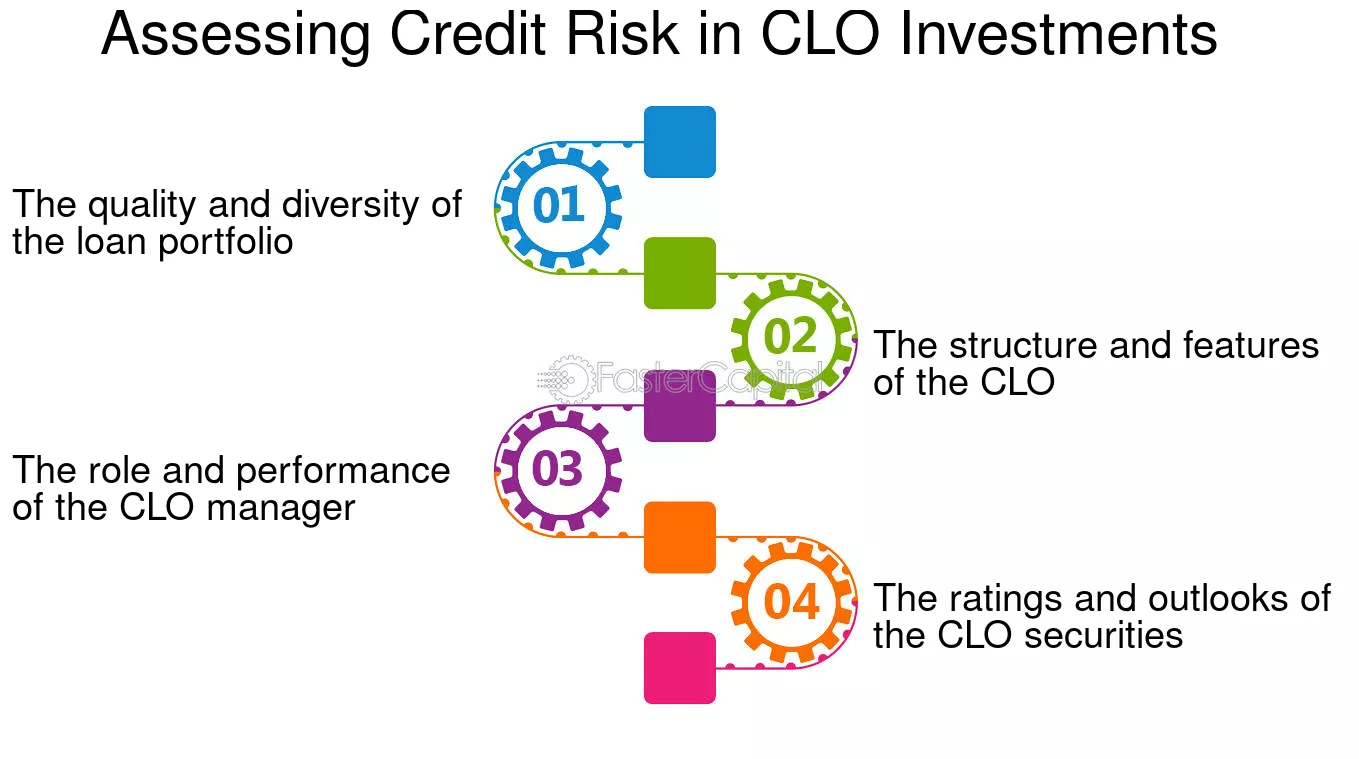
While offering attractive yields and the benefits of diversification, CLO (collateralized lending obligation) also requires an understanding of all the factors that affect its risk and returns. Clo clos clo investment can be a sophisticated and appealing strategy for investors seeking to optimize their debt portfolios. However, it’s important to use the right metrics to maximize the benefits and make informed decisions about this asset type.
Comprehending The Basics Of A CLO
Understanding the CLO’s structural elements is essential before we can dive into metrics. CLOs aggregate leveraged debt, usually issued by non-investment-grade corporations. These loans are then divided into different tranches, with each representing a different degree of risk or return. The senior tranches tend to have lower yields but are considered safer.
CLOs’ performance is influenced in many ways, such as by their quality, structure, and market conditions. Investors must evaluate metrics that can provide insight into CLO risk and return.
Credit Quality Underlying The Portfolio
One of the first metrics to be evaluated for a CLO is the credit rating of the portfolio of loans. This involves evaluating the average credit rating for the loans, their industries, and the diversity of the borrowers. A diversified portfolio will reduce the impact of a single loan failure on the CLO’s overall performance.
Investors need to consider the manager’s strategy and its alignment with their personal investment goals. They will likely get better results from a manager who has proven successful in managing economic cycles.
Tranche-Specific Risk And Reward
Investors must consider metrics that are specific to each CLO tranche. For example, understanding the attachment point and detachment of a CLO tranche can determine its credit exposure. The attachment points refer to the losses needed before a tranche can incur losses. The detachment levels are the maximum losses at which it will be wiped out.
Another factor is the credit rating. It reflects how likely it is to suffer a loss. Tranches with a high credit rating are considered safe investments. Investors can match the tranche to their risk profile when evaluating these metrics.
Cushion And Excess Spread
The excess spread is a key metric when investing in CLOs. It represents a difference between the interest investors receive on their tranches and what they earn from the underlying loans. A higher excess spread indicates a bigger cushion to absorb possible losses from loan defaults. This metric is particularly important for equity investors who are directly impacted after meeting obligations from senior tranches.
A strong spread acts as a safety net during volatile market periods, helping the CLO continue making payments even when default rates go up. Investors can use this metric to evaluate the CLO’s stability and ability to produce consistent returns.
Cash Flow And Coverage Ratios
Cash flow metrics are also a critical aspect when evaluating CLOs. The interest coverage ratio (ICR) and the over-collateralization ratio (OC) are commonly used to assess the CLO’s ability to meet its payment obligations. The ICR calculates the ratio between the interest owed and the income generated by the underlying loans.
Higher ratios indicate that the CLO has a strong financial position, reassuring investors of its ability to weather adverse market conditions. Investors can monitor these metrics to identify potential risks and ensure the CLO’s financial viability.
Manager Performance Expertise
The CLO’s manager has a key role in determining performance. Managers are in charge of actively managing and selecting loans for the portfolio, so their experience and track records are important. Metrics that measure a manager’s performance include historical default rates (or realized returns), loan turnover rates, or realized returns.
Investors also need to consider the manager’s overall strategy and whether it matches their own goals. A manager who is able to successfully navigate economic cycles, minimize losses, and deliver positive outcomes for CLO Investors is likely to do so.
Conclusion:
CLO investments are attractive to investors looking for high yields or portfolio diversification. However, a thorough examination of all the metrics is required. Each metric plays a crucial role in determining the risks and rewards.
By reviewing these key elements appropriately, investors can make educated decisions and choose CLOs aligned with their risk tolerance and objectives. Understanding the nuances in these metrics can unlock their full potential and be a valuable asset for any investment.