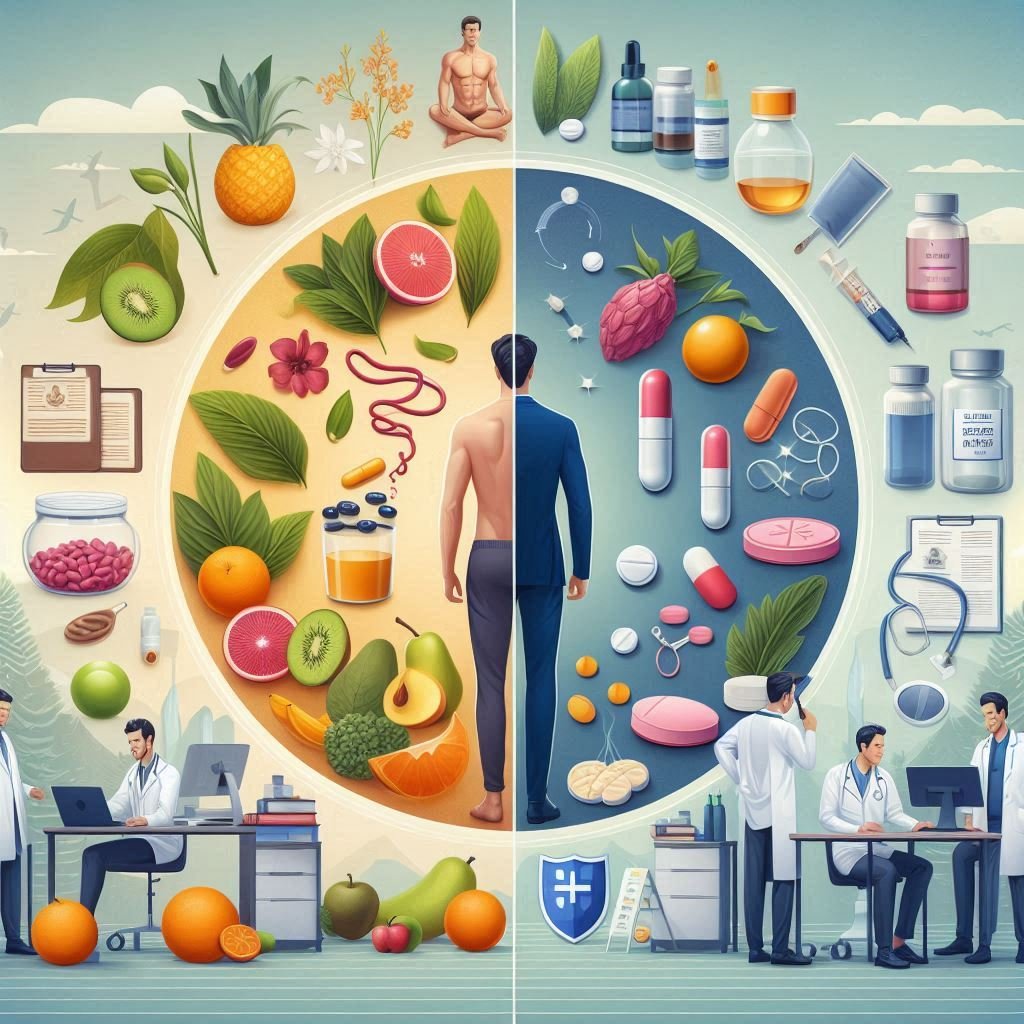
Health and food are deeply connected, and the choices we make every day directly affect our physical, mental, and emotional well-being. A healthy diet does not mean strict limitations or boring meals; instead, it is about eating a variety of nutritious foods in the right balance. Proper nutrition helps the body function efficiently, boosts immunity, prevents diseases, and improves overall quality of life.
Understanding Healthy Food
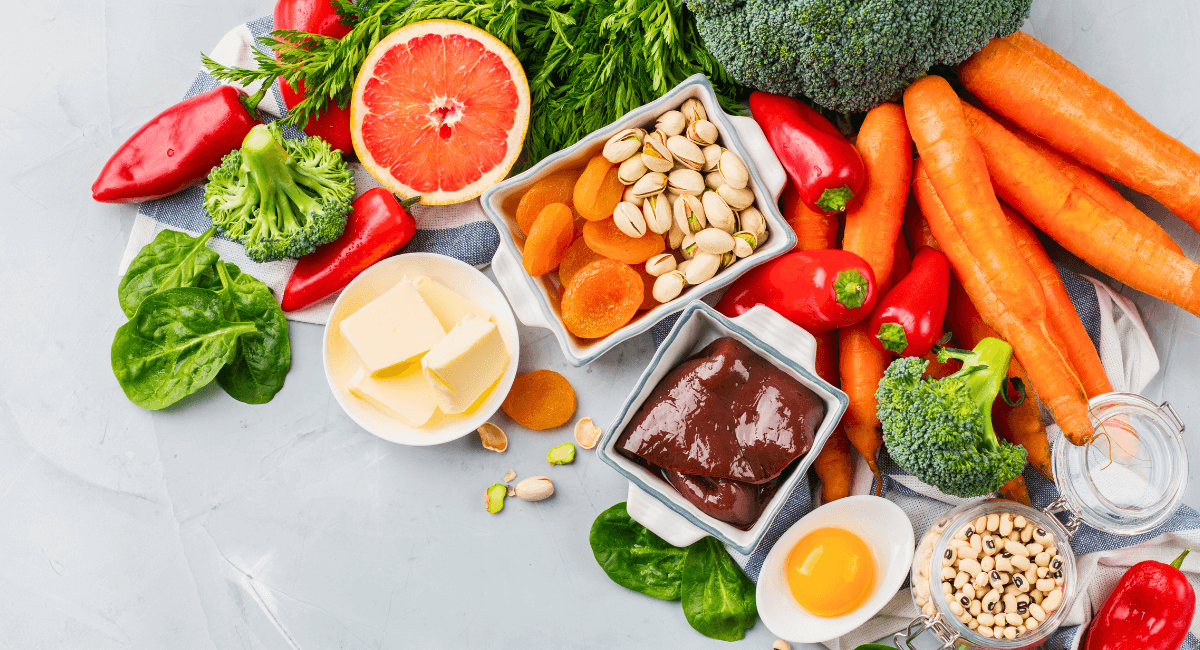
Healthy food refers to foods that provide essential nutrients such as vitamins, minerals, proteins, carbohydrates, healthy fats, and fiber. These nutrients are necessary for growth, energy, repair of body tissues, and maintaining a strong immune system. Common examples of healthy foods include fruits, vegetables, whole grains, lean proteins, dairy or dairy alternatives, nuts, and seeds.
Unhealthy foods, on the other hand, are often high in sugar, salt, unhealthy fats, and calories but low in nutrients. Excessive consumption of fast food, sugary drinks, processed snacks, and fried items can lead to weight gain, fatigue, and long-term health problems.
Role of Nutrition in Physical Health
A balanced diet plays a crucial role in maintaining physical health. Proteins help build and repair muscles, carbohydrates provide energy, and healthy fats support brain function and hormone production. Vitamins and minerals strengthen bones, support vision, and help the body fight infections.
Eating nutritious food regularly can help prevent chronic diseases such as obesity, diabetes, heart disease, and high blood pressure. For example, fiber-rich foods like vegetables, fruits, and whole grains improve digestion and reduce the risk of heart disease. Calcium and vitamin D are essential for strong bones, while iron helps prevent anemia.
Food and Mental Well-Being
Food not only affects the body but also has a strong impact on mental health. A healthy diet can improve mood, concentration, and memory. Nutrients like omega-3 fatty acids, found in fish and nuts, are known to support brain health and reduce symptoms of depression and anxiety.
Highly processed foods and sugary snacks may give temporary pleasure, but they often cause energy crashes and mood swings. Consuming too much sugar can increase stress and fatigue. In contrast, whole foods provide steady energy and help maintain emotional balance.
Importance of Hydration
Along with healthy food, drinking enough water is essential for good health. Water helps regulate body temperature, aids digestion, flushes out toxins, and keeps skin healthy. Dehydration can cause headaches, tiredness, poor concentration, and digestive issues.
It is recommended to drink water regularly throughout the day rather than waiting until you feel thirsty. Herbal teas, fresh juices, and water-rich fruits like watermelon and oranges also contribute to hydration, but sugary drinks should be avoided.
Healthy Eating Habits
Healthy eating is not just about what we eat, but also how we eat. Developing good eating habits can make a big difference in overall health. Eating meals on time, controlling portion sizes, and avoiding overeating are important practices.
Mindful eating, which means paying attention to hunger and fullness signals, helps prevent unnecessary calorie intake. Eating slowly and avoiding distractions like mobile phones during meals can improve digestion and satisfaction.
Skipping meals, especially breakfast, can lead to low energy levels and unhealthy snacking later in the day. A nutritious breakfast helps kick-start metabolism and improves focus and productivity.
The Role of Food in Disease Prevention
A healthy diet is one of the most effective ways to prevent illness. Antioxidant-rich foods such as berries, leafy greens, and nuts protect the body from damage caused by free radicals. Spices like turmeric and ginger have anti-inflammatory properties that support the immune system.
Reducing the intake of salt, sugar, and unhealthy fats lowers the risk of heart disease and stroke. Including a variety of colorful fruits and vegetables ensures the body receives a wide range of nutrients necessary for long-term health.
Conclusion
Health and food are closely linked, and making smart food choices is an investment in a better future. A balanced diet supports physical strength, mental clarity, and emotional stability. By choosing natural, nutrient-rich foods, staying hydrated, and maintaining healthy eating habits, individuals can improve their quality of life and reduce the risk of disease.
Healthy eating does not require perfection; small, consistent changes can lead to significant improvements over time. By understanding the importance of food and nutrition, we can take control of our health and enjoy a more energetic, fulfilling life.