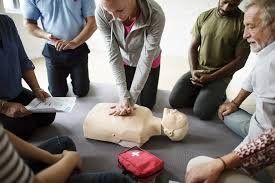
Cardiopulmonary resuscitation, or CPR, is a vital emergency procedure that can mean the difference between life and death in many situations. When every second counts, having the knowledge and confidence to perform CPR can substantially increase the survival prospects of individuals experiencing sudden cardiac arrest. However, despite its significance, many people remain untrained and hesitant to administer CPR. This article delves into the crucial reasons why CPR training is essential, highlights its impact in emergencies, and emphasizes how it empowers individuals and communities. Keep reading to learn more about the transformative power of CPR education.
Understanding How CPR Aids in Sudden Cardiac Arrest Situations
Sudden cardiac arrest is a leading cause of death worldwide, often occurring without warning. When the heart stops beating effectively, CPR stands as the first defense in preserving a victim’s life. The comprehensive process of chest compressions and ventilations, if performed correctly, can temporarily replace the function of the heart and lungs, buying precious time.
Understanding the mechanics of CPR is essential. To be effective, compressions must be delivered at the appropriate depth and rate, a technique that requires training and practice. Regular and refresher courses allow individuals to maintain their skills and be ready when emergencies strike.
Equally important is awareness of when to use CPR. By recognizing the signs of cardiac arrest, such as unresponsiveness and absence of breathing or pulse, bystanders can confidently initiate life-saving measures. Online resources and community courses, like CPR San Antonio, offer invaluable education to those interested in learning these critical signs.
A wealth of clinical research supports CPR’s role in aiding cardiac arrest victims. These studies highlight how the immediate application of CPR can double or even triple a person’s chance of survival. Therefore, it’s essential that knowledge of CPR spread widely, demystifying the process and encouraging more people to become proficient.
CPR Training Empowers Individuals to Act in Critical Moments
Empowerment is at the heart of CPR training. Its transformative effect is evident in the way individuals can step forward and address what could be a daunting medical emergency. This empowerment stems from a comprehensive understanding of the procedure and the confidence to administer it correctly under pressure.
CPR training programs are designed to instill this confidence through hands-on experience, using mannequins and scenarios that simulate real-life situations. These simulated experiences allow individuals to hone their reactions and decision-making skills, which is crucial when every moment counts.
It’s also about a willingness to engage in an ordeal that can be physically demanding and emotionally harrowing. While straightforward in theory, CPR requires endurance to perform over time. Training prepares individuals with the skills and the fortitude needed to sustain their efforts when faced with adversity.
Aside from the personal benefits, trained individuals can advocate for CPR knowledge within their circles. They can share their experiences and encourage others to get trained, creating a ripple effect that enhances the community’s overall readiness and resilience.
Incorporating CPR Knowledge as a Fundamental Safety Skill in Communities
Incorporating CPR training into communities’ basic skills forms the foundation for a more resilient society. It positions CPR knowledge alongside other essential safety practices, such as fire drills and natural disaster preparedness, fortifying the public’s ability to respond to various life-threatening situations.
Community leaders and health educators are pivotal in integrating CPR training into local programs. Organizing events, facilitating certification courses, and ensuring that resources are available creates an environment where life-saving skills are valued and pursued.
The impact of these efforts stretches beyond immediate medical assistance. Communities with robust CPR training initiatives often experience enhanced social cohesion. Residents feel connected through the shared commitment to safeguarding each other’s well-being, fostering a proactive approach to health and safety.
Finally, CPR knowledge must stay current with the best practices outlined by health authorities. Continuous updates to CPR guidelines and regular re-training for certified individuals ensure the highest standards are met. This adaptability and commitment to lifelong learning underscore the relevance of CPR as a fundamental community safety skill.
Overall, CPR training is a critical life-saving skill that empowers individuals to act confidently in emergencies, potentially saving lives. By incorporating CPR education into communities, we strengthen societal resilience and ensure more people are prepared to respond effectively in life-threatening situations.


you’re truly a excellent webmaster. The website loading speed is amazing. It kind of feels that you’re doing any distinctive trick. In addition, The contents are masterpiece. you’ve done a wonderful task on this subject!
Thank you for the auspicious writeup. It in fact was a amusement account it. Look advanced to more added agreeable from you! However, how could we communicate?
I have been browsing on-line more than three hours lately, yet I by no means discovered any attention-grabbing article like yours. It?¦s lovely value enough for me. In my view, if all site owners and bloggers made just right content material as you probably did, the web might be a lot more useful than ever before.
Real clean website , appreciate it for this post.
It¦s in point of fact a nice and useful piece of info. I¦m glad that you shared this helpful information with us. Please keep us up to date like this. Thank you for sharing.