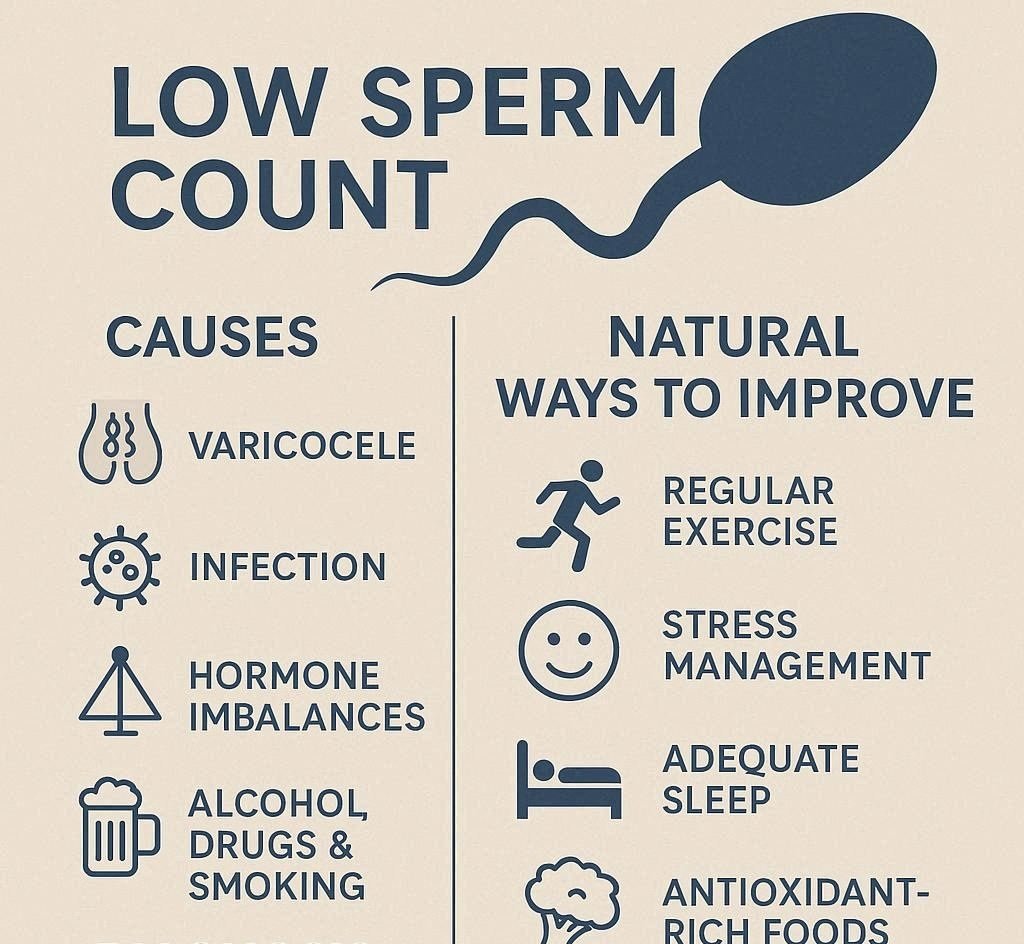
The problem of male fertility is a very important part of reproductive health that is not given a lot of attention when talking about problems of conception. Genetics and medical condition are contributory factors, but lifestyle decisions have a significant impact on sperm quality and general fertility. Diet, alcohol, smoking, stress, and physical inactivity are factors that may either promote or inhibit reproductive activity.
The way of life in the modern world has brought practices that can have adverse effects on the male reproductive health without the realization of the impacts in the long-term. It is important to understand the interaction of these factors with the body in order to make a wise decision. Through healthy lifestyles, there is a great potential of enhancing reproductive capacity and well being by men.
This article discusses how lifestyle impacts male fertility, scientific evidence, and offers effective advice on how to enhance reproductive health.
Learning about Male Fertility and Sperm Quality
Male fertility is largely reliant on the generation of healthy sperm that is able to fertilize an egg. Sperm count, motility (movement), morphology (shape) and overall viability are key factors that determine sperm quality. These features are determined by complicated biological processes, which include hormones, reproductive system, and overall health.
The testes produce sperms which are controlled by hormones like testosterone. This is called spermatogenesis and is sensitive to the environment and lifestyle. The impairment of any hormonal balance or cellular activity may cause poor sperm quality.
The sperm needs to be healthy, liberate appropriately, and preserve its structure. Fertility may also decrease when these processes are disrupted by lifestyle factors. This emphasizes the need to have a healthy lifestyle that is balanced.
Diet and Men Fertility
Among the most significant lifestyle elements of reproductive health is diet. The consumption of nutrients has a direct influence on hormone secretion, cellular activities and sperm maturation.
A healthy diet that is rich in vitamins, minerals and antioxidants promotes the health of sperms. Zinc, selenium, vitamin C, vitamin E, and folate are nutrients that are crucial to defend sperm against oxidative stress and aid in proper development. Also important are the omega-3 fatty acids, which play a role in sperm membrane integrity and motility.
Conversely, high-processed foods, unhealthy fats, and added sugar content can have adverse effects on fertility. These foods can contribute to the inflammation and oxidative stress that can cause damage to sperm cells and decrease their functioning.
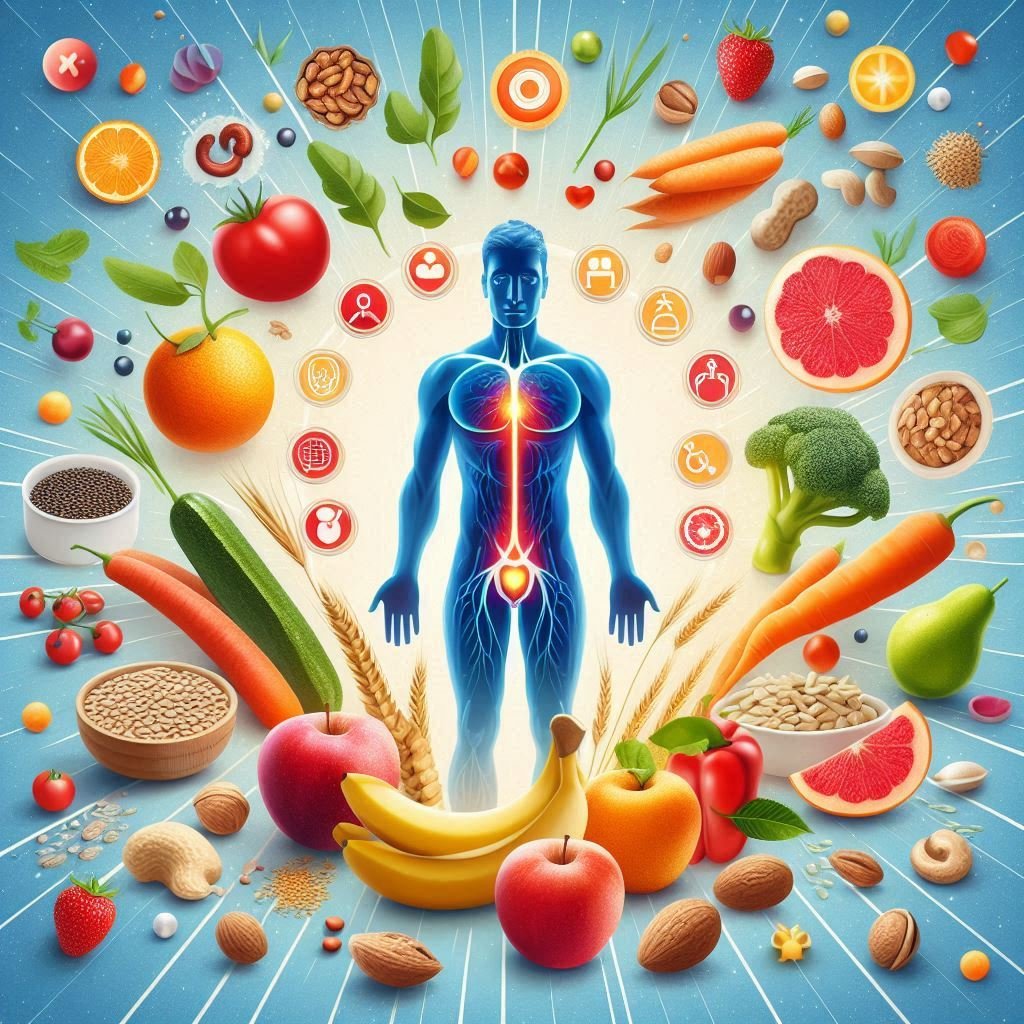
It is also important to be hydrated. Proper intake of water aids in general body functions such as in the production of seminal fluid.
One of the best-advised steps to take to enhance reproductive health is to make conscious dietary decisions since it directly promotes the biological mechanisms of fertility.
Drinking and its impacts
Most lifestyles involve alcohol consumption, but when it is overly consumed, it can impact a great deal on male fertility. Alcohol disrupts the hormone synthesis, especially testosterone required in the growth of sperm.
Long-term alcohol consumption may result in low sperm count, low sperm motility, and distorted sperm morphology. It can also impact on liver functioning, which contributes to hormone regulation. The imbalanced levels of hormones reduce the capacity of the body to produce healthy sperm.
The moderation is important as far as alcohol is concerned. Cutting down or avoiding binge drinking may aid in regaining hormone balance and enhance reproductive results. It is a significant factor of recommendations on how to enhance reproductive health.
The Effect of Smoking on Fertility
One of the most well-reported lifestyle factors that influence male fertility is smoking. There are dangerous chemicals present in tobacco smoke, which are able to damage DNA and negatively affect the functioning of sperm.
Men who smoke are characterised by low sperms counts and low motility. Oxidative stress is also enhanced by smoking and this can cause the fragmentation of DNA in sperm cells. Not only does this impact the likelihood of conception, but can also predispose one to complications.
The impact of the secondhand smoke may be negative as well, and it is worth considering the impact of the environmental exposure.
One of the best things that individuals can do to enhance fertility is to quit smoking. The body starts healing with time, which results in the improvement of sperm quality and health in general.
Stress and hormonal balance
Stress is an inevitable aspect of life but chronic stress may cause severe effects on reproductive health. The hypothalamic-pituitary-gonadal axis, which controls hormone production, is impacted by the psychological stress.
Stress will cause the body to produce cortisol, which is a hormone that may disrupt the production of testosterone. A decrease in testosterone may adversely affect fertility by reducing the number of sperms produced.
The effect of stress may also be worsened by unhealthy coping mechanisms like poor diet, smoking, or heavy drinking.
Stress management is thus an essential part of prescriptions on enhancing reproductive health. Mindfulness, meditation, relaxation exercises are all techniques that can be used to decrease stress and promote hormonal balance.
Physical Inactivity and Its Effects
Sedentary lifestyle is becoming more and more popular and has been associated with a number of health complications such as low fertility. Exercise deficiency may cause obesity, poor blood circulation and hormonal imbalances, all of which are detrimental to the sperm production.
Exercise helps in the proper circulation of blood, hormone control and it makes the body healthier. Exercise also is useful in keeping the weight at a healthy level, which is crucial in fertility.

But there is a balance. Too much or too much intense or excessive exercise without rest can do just the opposite, and can reduce testosterone levels.
Moderate and regular physical activity should be incorporated in everyday life because it is a reasonable and effective method to enhance reproductive health.
The Combined Effect of Lifestyle Factors
Although the impact of each lifestyle factor can be independent, their interplay may be more important. The interplay of poor diet, smoking, alcohol use, stress and inactivity may increase their harmful effects.
To illustrate, stress can cause unhealthy dieting patterns or more alcohol use and this impacts hormone levels and sperm quality. Physical inactivity is also capable of adding weight to the body thus disrupting the hormonal balance
This interconnectedness is significant to understand in order to formulate an all-inclusive method of fertility enhancement. It can be more effective to work on several issues at once and achieve more significant and durable outcomes.
Fertility and Lifestyle: Science
It has always been demonstrated that lifestyle choices are important to reproductive health. Research has established that men with healthier lifestyles are more likely to have good sperm parameters and increased fertility.
Antioxidants, e.g., have been proven to decrease oxidative stress and enhance sperm quality. Likewise, weight control and exercise have been linked to better hormonal levels and reproductive functions.
To get more scientific detail, please visit: recommendations on improving reproductive health.
These results underline the necessity of making informed lifestyle decisions and show that the situation can be improved by positive changes.
Concrete Advice on how to enhance Reproductive Health
Male fertility is not a matter of radical alterations but of subtle and conscious modification of everyday routines. A healthy diet, lessening of bad habits, and stress may all be used to improve reproductive functioning.
When concentrating on whole foods, such as fruits, vegetables, lean proteins and healthy fats, essential nutrients needed to develop sperms are gained. Restricting alcohol and avoiding smoking may guard against harm to cells and hormonal imbalance.
Working out regularly, with sufficient rest and sleep, helps to maintain general health and hormonal harmony. These advantages can also be improved using stress management methods that will decrease the adverse effects of cortisol on the body.
These are practical and achievable recommendations that will enhance reproductive health and are backed by scientific evidence. With time, they may result in drastic changes in fertility and well-being.
Healthy Lifestyle Choices have Long-Term Benefits
Fertility is not the only benefit of engaging in healthier lifestyle habits. Healthy eating, physical activity, and managing stress will help to maintain better heart health, higher energy levels, and overall mental health.
To men who are thinking of having a family, these changes could enhance not only the likelihood of conception but also health in general during the time of having a family. Good health is a good example to the future generation as well.
Consistency is key. Although the outcomes might not happen in the short term, long-term interventions can result in long-term gains in reproductive and overall health.
Conclusion
Lifestyle is what has a close connection with male fertility making this one of the areas where people have a lot of control over. Diet, alcohol use, smoking, stress, and lack of physical activity are among the factors that have significant effects on determining the quality of sperm and reproductive potential.
With this knowledge and informed choices, men will be able to take proactive measures to enhance their fertility. The change towards healthier habits, which is backed by scientific evidence, presents a viable way to achieve improved reproductive outcomes.
After all, the process of achieving better fertility is also a process of achieving better health. By working diligently and being aware of their circumstances, people are capable of improving their lives and have a better chance of fulfilling their reproductive intentions.