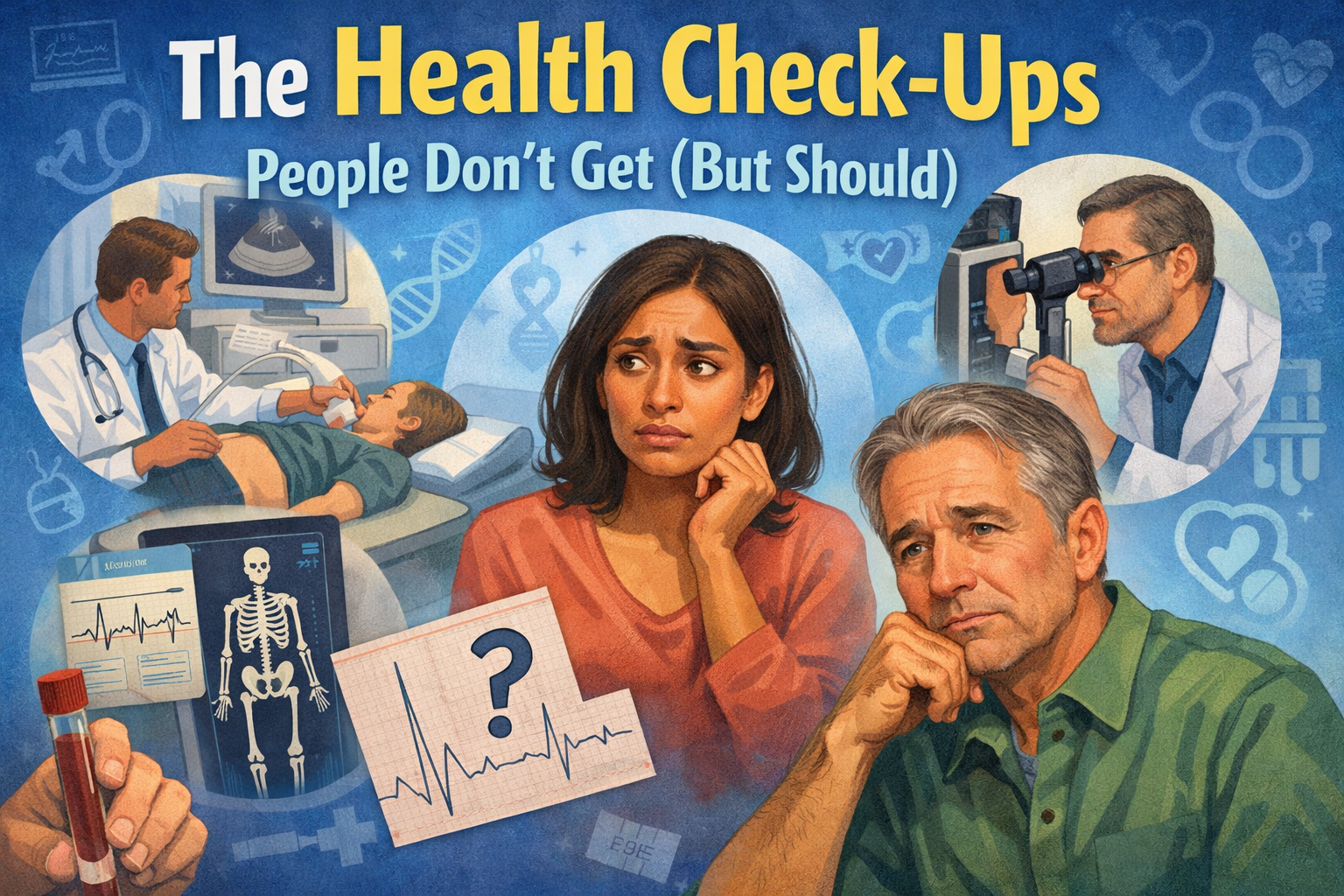
Most people are fairly great about going to the doctor when something is wrong. However, specific check-ups that determine early intervention for issues people wouldn’t know need assistance are at the bottom of many people’s to-do lists. Life gets busy; appointments take time and effort, especially when one doesn’t think anything is wrong; and they often forgo the idea that most likely, everything is fine. The problem with this is that many people have problems brewing for months or years before they start to notice something weird, and by then, it’s far too late, and treatment is more involved and expensive than it ever had to be.
Preventative care isn’t exciting; it’s one of those things that no one appreciates until they’ve been through the fire. Such check-ups exist because certain conditions are exceptionally easy to manage and treatment is a non-issue; however, when left alone, it becomes a whole other situation. The following check-ups are the least likely to be gotten, and why skipping them isn’t worth the risk.
Dental Examinations
Dental appointments are probably the most likely to go by the wayside. Many people fail to go to the dentist unless something hurts; however, that’s not how dental work operates. Cavities do not hurt until they’ve progressed a significant way. Gum disease also takes years to develop, without pain, until someone has finally lost a tooth or two and realizes they should have done something about it ages ago. Dental check-ups note these changes along with plaque build-up and deeper pockets, which means cavities repaired can either be a filling or an extraction, two very different entities for discomfort and cost.
Moreover, dental hygiene appointments help determine other health issues without a definitive dental component. Diabetes, vitamin deficiencies, cancer, these early warning signs all show themselves in the mouth. A trusted Burton Dentist who has a comprehensive view of prevention means someone is actually looking for the problems before they get worse. Therefore, unless someone went to the dentist every year for decades and has been lax about dental care at least for a substantial period of time, most dental work is 100% preventable; skipping these appointments for years means complications arise with surprising severity.
Eye Examinations
Eye appointments are another that most people shy away from until they can no longer read smaller print, or fade away. However, generally speaking, many issues do not have premature symptoms that warrant an eye exam. Glaucoma, for example, is an increased pressure in the eye, but its expected symptom (decreased vision) only occurs when major optic nerve damage has occurred. By the time someone realizes something is off, irreversible change has occurred.
Moreover, eye exams note components of health unrelated to vision. High blood pressure, hypertension, diabetes, tumors, all recognized by an optometrist as they look at the blood vessels and nerves of the back of the eye. For anyone over 40 or with a family history of eye problems, these appointments should be routine; otherwise, an eye condition that could’ve been caught earlier could have changed someone’s life considerably had it continued on its path without intervention.
Skin Cancer Screenings
Many people don’t think about their skin unless something weird happens, a mole or spot that suddenly looks funky. However, skin cancer has early warning signs that allow them to be incredibly treatable if caught in their early stages. Melanoma can spread quickly if not caught, but a dermatologist knows what to look for at check-ups before someone even realizes something is awry in an area of hard-to-see skin (like their back or between their toes).
Moreover, sun damage occurs over time; people who’ve been exposed significantly when younger may not see adverse reactions for decades down the line. Annual skin screenings are especially important for anyone who is fair-skinned or has many moles, or a history of sunburns. These annual screenings are straightforward, non-invasive and can save someone’s life, and it’s concerning that people think about it when something bad happens instead of preventative efforts.
Blood Pressure Checks
Blood pressure is termed the “silent killer” because almost no one experiences symptoms leading up to damaging heart/kidney/blood vessel problems. This means the majority of people walk around with high blood pressure for years without knowing and then experience heart attacks and strokes when it’s far too late for intervention.
Furthermore, this is incredibly sad because high blood pressure is incredibly common but also manageable and not catastrophic when treated early. Unfortunately, for those who feel good about themselves but never set foot inside a doctor’s office when something feels off get neglected because their blood pressure needs checking, it’s usually part of any routine appointment, but unless it’s noted these people are stuck with blood pressure creeping up from age, stress or unhealthy habits without ever knowing until it’s too late.
Why Prevention Actually Matters
In summary, the reality that brings all of these check-ups together is fairly predictable: minor circumstances become intensive and expensive later on when treatment was easy at first glance, but early response becomes a bigger deal once it festers long enough for someone to respond, even then, sometimes but surely not always when it’s too late. A cavity becomes a root canal. Glaucoma becomes blindness. Pre-cancerous skin lesions are removed before they spread. High blood pressure is treated before it’s wreaked havoc on organs. None of this comes when someone waits until something hurts or until symptoms become so bad there’s no way to ignore them any longer.
Preventative care saves money; prevents unnecessary stress; and ultimately boosts quality of life in the long run. These are not appointments that exist just so medical professionals can fill their days, they exist because specific health conditions follow predictable patterns and catching up with them in their infancy change outcomes significantly. Therefore, while it’s worth it to take an hour here or there out of our busy schedules to accomplish these appointments in the long run, as opposed to spending unnecessary time downsizing problems that could’ve been avoided in the first place, prevention is key!