Artificial turf, also known as synthetic grass, has come a long way since its inception. What began as a solution for athletic fields has now evolved into a versatile and highly sought-after option for residential, commercial, and public spaces. Its ability to provide the look and feel of natural grass without the associated maintenance has made it a popular choice for homeowners and businesses alike. This article explores the history, advancements, and wide-ranging applications of artificial turf, highlighting why it has become a staple in modern landscaping.
A Brief History of Artificial Turf
The origins of artificial turf date back to the 1960s, when the first synthetic grass product, known as AstroTurf, was introduced. Initially developed for use in the Houston Astrodome, AstroTurf quickly gained attention for its ability to provide a durable, weather-resistant surface for sports. This innovation was groundbreaking, as it allowed games to be played year-round, regardless of weather conditions.
Over time, the technology behind artificial turf improved significantly. Early versions were criticized for being hard and abrasive, but advancements in materials and design have resulted in softer, more realistic products. Today, artificial turf not only replicates the appearance of natural grass but also offers enhanced durability and versatility, making it suitable for a variety of applications.
Advancements in Artificial Turf Technology
Modern artificial turf is a far cry from its early counterparts. Innovations in manufacturing and materials have transformed synthetic grass into a high-performance product with numerous benefits. Key advancements include:
- Realistic Appearance: Modern turf features multi-tonal fibers and textured surfaces that mimic the look and feel of natural grass. This realistic appearance makes it difficult to distinguish from the real thing.
- Durability: High-quality synthetic grass is designed to withstand heavy foot traffic, extreme weather conditions, and prolonged use without showing signs of wear and tear.
- Eco-Friendly Options: Many artificial turf products are now made from recycled materials and are fully recyclable at the end of their lifespan, reducing environmental impact.
- Improved Drainage: Advanced backing systems allow for efficient water drainage, preventing puddles and ensuring a dry, usable surface even after heavy rain.
- Infill Materials: Newer infill materials, such as silica sand and rubber granules, enhance the turf’s cushioning and support, providing a comfortable surface for various activities.
Applications of Artificial Turf
Artificial turf has expanded far beyond its original use in sports fields. Its versatility and low-maintenance nature have made it a popular choice for diverse applications. Let’s explore some of the most common uses:
1. Residential Lawns
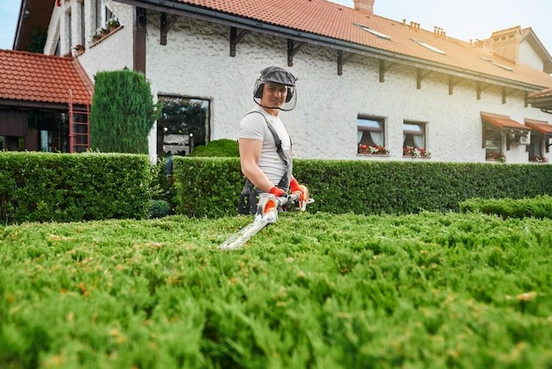
Homeowners are increasingly opting for artificial turf to create beautiful, hassle-free lawns. Unlike natural grass, synthetic turf stays green and vibrant throughout the year without the need for mowing, watering, or fertilizing. It is particularly beneficial in regions with water restrictions or climates where maintaining a natural lawn is challenging.
Artificial turf is also a practical solution for families with children and pets. Its durable surface can withstand rough play, and its non-toxic materials ensure safety for all members of the household.
2. Sports Fields
Athletic fields remain one of the primary applications for artificial turf. From football and soccer fields to tennis courts and golf courses, synthetic grass provides a reliable surface that performs consistently in all weather conditions. Its durability and low maintenance requirements make it a cost-effective choice for schools, sports clubs, and professional venues.
3. Commercial Landscaping
Businesses and commercial properties use artificial turf to enhance their outdoor spaces. Whether it’s creating an inviting entrance, designing rooftop gardens, or landscaping courtyards, synthetic grass adds a touch of greenery without the ongoing upkeep of natural lawns. Companies like Ultimate Turf specialize in providing tailored solutions for commercial applications, ensuring high-quality and aesthetically pleasing results.
4. Public Parks and Playgrounds
Public parks and playgrounds benefit from artificial turf’s safety features and durability. Its soft, cushioned surface reduces the risk of injuries, making it ideal for children’s play areas. Additionally, its ability to withstand heavy foot traffic ensures that it remains intact even with frequent use.
5. Specialty Applications
Artificial turf is also used in unique applications such as:
- Rooftop Gardens: Lightweight and easy to install, synthetic grass can transform rooftops into green, functional spaces.
- Pet Areas: Pet-friendly turf provides a clean, low-maintenance surface that resists digging and odors.
- Event Venues: Temporary installations of artificial turf create attractive, comfortable spaces for weddings, parties, and corporate events.
Benefits of Artificial Turf
The growing popularity of artificial turf can be attributed to its numerous advantages. Some of the key benefits include:
- Low Maintenance: Artificial turf eliminates the need for mowing, watering, fertilizing, and pest control, saving time and money.
- Water Conservation: By reducing water consumption, synthetic grass contributes to sustainable landscaping practices, especially in drought-prone areas.
- Year-Round Greenery: Artificial turf maintains its lush appearance regardless of the season, providing a consistent aesthetic appeal.
- Durability: High-quality products are designed to last for years, even in high-traffic areas.
- Versatility: From residential lawns to sports fields and commercial spaces, artificial turf is suitable for a wide range of applications.
Environmental Impact
While artificial turf offers several environmental benefits, such as water conservation and reduced use of pesticides and fertilizers, it is essential to consider its full lifecycle. Advances in eco-friendly manufacturing processes have addressed some concerns, with many products now made from recycled materials and designed for recyclability. Choosing a reputable provider like Ultimate Turf ensures access to sustainable options that minimize environmental impact.
Installation Process
Proper installation is crucial for maximizing the performance and longevity of artificial turf. The process typically involves:
- Site Preparation: Clearing the area of debris, leveling the ground, and installing a base layer of compacted gravel or sand.
- Laying the Turf: Rolling out the synthetic grass, trimming it to fit the space, and securing the edges.
- Adding Infill: Spreading infill material to provide support, cushioning, and stability.
- Final Touches: Brushing the fibers to ensure an even, natural appearance.
Professional installation ensures that the turf is laid correctly and adheres to manufacturer specifications, resulting in a flawless finish.
Tips for Choosing Artificial Turf
When selecting artificial turf, consider the following factors:
- Quality: Invest in high-quality turf with UV-resistant fibers and durable backing.
- Pile Height and Density: Choose a pile height and density that match your intended use, whether for aesthetics, comfort, or heavy traffic.
- Warranty: Look for products with a warranty to ensure long-term satisfaction.
- Expert Installation: Work with experienced professionals to achieve the best results.
Conclusion
The evolution of artificial turf from sports fields to residential and commercial spaces reflects its growing importance in modern landscaping. With advancements in technology, artificial turf now offers a realistic, durable, and eco-friendly alternative to natural grass. Its versatility and low-maintenance nature make it an ideal choice for a wide range of applications, from family backyards to large-scale sports facilities.
Companies like Ultimate Turf continue to lead the way in providing innovative and high-quality synthetic grass solutions, ensuring that customers can enjoy beautiful, functional outdoor spaces year-round. As artificial turf technology continues to advance, its potential applications are limited only by imagination.