Introduction
With the increase in the digital economy, the need to safeguard the minors against harmful or age-restricted content has risen to a worldwide concern. Due to the growing number of young people abusing adult content, gambling, alcohol, tobacco, and other restricted products, governments are enacting more laws to enforce age verification. In turn, businesses have to respond to this by implementing safer and easier-to-use age verification online procedures.
One of these new laws has had coverage through the Florida age verification law, which is a unique move toward making the digital world safe for minors. As states and countries are restricting the rules of compliance, it is essential to know the effects of these laws on the businesses and the consumers.
Age verification law: What is an Age Verification Law?
An age verification law is a law that forces a business to verify the age of its users before they provide access to the restricted contents, goods, or services. The laws are not recent; the selling of alcohol and tobacco has always involved age checks, but the shift to the Internet has increased the desire to introduce more powerful digital protection.
Namely, there are two purposes of age verification laws:
- Protecting Minors – Deterrence to block access of underage to harmful or inappropriate material.
- Ensuring Compliance – Making businesses responsible for protecting the interest of the people without compromising ethical manners.
The Florida Age Verification Law.
Florida age verification is one of the legislations that have gained a lot of discussion within the United States. The legislation is mostly aimed at the digital formats that contain adult materials and they are obliged to put stringent verification systems.
The following are some important provisions of the Florida Law.
- Explicit websites should ensure that they check the ages of the users to certify that they are above 18.
- Non-compliance may lead to massive fines and litigation
- The use of privacy-sensitive, secure methods of verification is encouraged on platforms.
This legislation can be seen as an extension of a larger trend around the U.S., with states writing their own age verification legislation to address what the federal laws leave uncovered. The practice of Florida has raised controversies about privacy, enforcing it, and weighing between free access and the protection of children.
The importance of Age Verification Online.
The internet has eliminated the age-restricted content barriers. When compared to face-to-face purchases, where a person can verify his or her identity with an ID at the counter, online business have to use age verification online services. With the rise of AI in business, these systems are becoming smarter, faster, and more reliable.
Advantages of Online Age Check.
- Instant Verification – Friction minimizes the user experience.
- Accuracy – AI-based products and biometrics enhance accuracy
- International Compliance – Web based systems assist firms in fulfilling various international requirements.
- Trust and Safety- The consumers would have more confidence in the platforms that promote security and responsible access.
Legal laws such as the Florida age verification law have seen to it that any business that does not establish proper age verification systems on the internet has been exposed to litigation and tarnished reputation.
The International Age Verification of Age Laws.
The U.S. is not the only country that is seeking more regulate laws. The age verification laws are becoming increasingly widespread around the world:
- United Kingdom: The Digital Economy Act will make adult sites block access to minors.
- European Union: Nations are tightening child protection regulations within GDPR regulations.
- Canada & Australia: The two countries are considering national-wide systems of checks in the digital age.
All this points to a universal agreement that child safety over the internet is not a choice anymore but a necessity.
Difficulties of enforcing Age Verification Legislation.
Although age verification laws have advantages, they pose challenges to both the businesses and users:
- Privacy Concerns – The users are afraid that their personal information may be abused or lost.
- Expensive- Large businesses might not be able to afford the sophisticated verification systems.
- User Experience- The delay in verification will deter legitimate users.
- Legal Complexity – Business organizations with operations in various regions have to adhere to simultaneous and even contradictory rules.
These reasons have led to criticism of the Florida age verification law whose opponents believe that tougher treatment will create harm on privacy even when it is not the solution to serious problems of online safety.
Age verification online is being driven by technology
The age checking and verification recently implemented online solutions are built on new technologies that balance any compliance and convenience to the user:
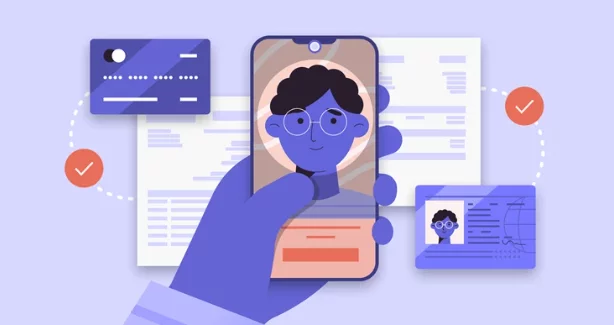
- Document Scanning- Uploading and authenticating IDs like passports or driving licenses.
- Biometric Authentication – Scans based on facial recognition, and fingerprint scan which is a fast and secure check.
- AI Fraud Detection – Finding counterfeit identification.
- Blockchain Solutions -Decentralized privacy-centric verification.
The tools are necessary in businesses that are going through the increasing tide of age verification laws across the world.
Age Verification Regulations in the Future
As Florida, with its age verification law, provides precedents, other states and countries are likely to do the same. We shall have in the next few years:
- Increased Uniformity – Global collaboration might result in unified laws.
- Privacy-First Solutions – Decentralized and encrypted approaches will defend against the personal data of the users.
- Integration with Digital IDs – Governments can provide secure digital identities that are attached to official records.
In the end, proactive compliance will not only help businesses to evade fines, but it will also make them responsible digital leaders.
Conclusion
The age verification legislations are a milestone in the history of online safety. Regulators are demanding more protection to keep minors away of harmful digital materials, and Florida age verification law is not the only legislation that is urging regulators to enforce it on a worldwide level. Simultaneously, online age verification is already becoming a feasible and scalable one to businesses that sell in an international market.
Regulations are getting stricter thus companies need to adapt fast by investing in safe, easy to use and compliant systems. It will not only provide a legal cover but also create long term confidence with consumers in an increasingly digital-first world.


Your vulnerability and honesty in your posts is truly admirable Thank you for being so open and authentic with your readers
Your articles never fail to captivate me. Each one is a testament to your expertise and dedication to your craft. Thank you for sharing your wisdom with the world.
I wanted to take a moment to commend you on the outstanding quality of your blog. Your dedication to excellence is evident in every aspect of your writing. Truly impressive!
Hello i think that i saw you visited my weblog so i came to Return the favore Im trying to find things to improve my web siteI suppose its ok to use some of your ideas