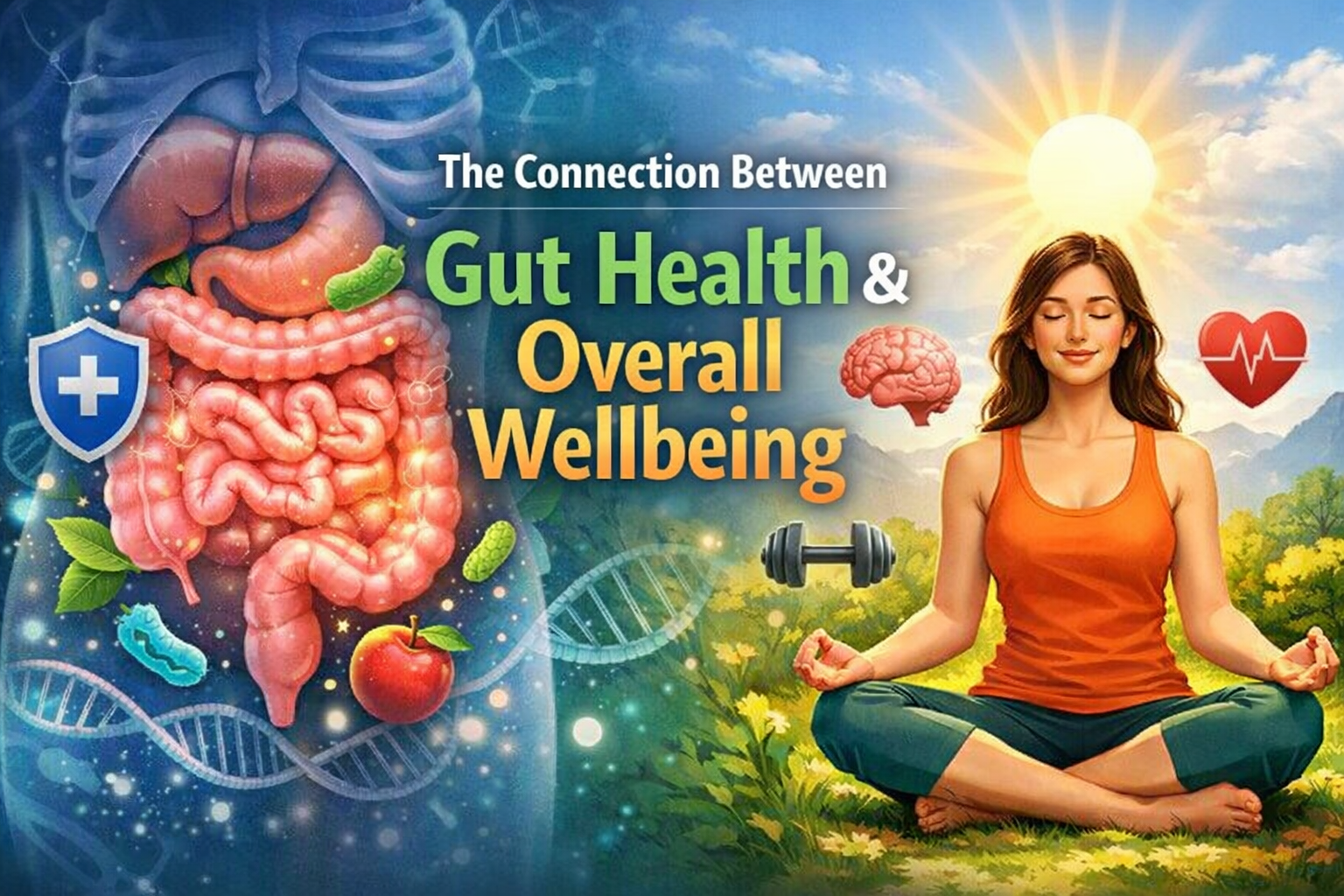
The gut is an often underappreciated and misunderstood part of the body. For most people, it’s just the thing that processes food and moves it along, but it does so much more than what’s immediately clear. Surprisingly, digestive health boasts critical importance to how the body operates as a whole, and over recent years, researchers are learning just how significant of a connection exists.
Before going into why the gut is such an important part of a healthy body, it’s important to understand what the digestive system does. Basically, it breaks down food, absorbs nutrients, and expels waste. Yet that’s such a simple description of a process so intimately linked to other aspects of health. The gut actually plays host to trillions of microorganisms (the gut microbiome) that do everything from produce immune reactions to helping facilitate mood regulation. When the gut works well, everything else tends to fall in place.
Immunity and the Gut
Here’s something most people don’t realize: about 70 percent of the entire immune system is located in the gut. The GI tract features immune cells embedded within its walls, always on watch for what’s coming in and evaluating what’s safe and what’s not. When the gut microbiome is at proper balance and functioning healthily, these immune cells can do their jobs. The opposite is true when the biome is out of balance: immune response turns dysregulated, associated with an increased risk of infection, inflammation, and even autoimmune disorders.
This is one of the reasons why gut health is taken so seriously in modern medicine. For anyone looking to understand the full picture, looking at an overview of gastroenterology offers a solid starting point for understanding how this specialty connects digestive function to broader health outcomes.
The relationship between gut bacteria and immunity isn’t just about fighting off illness either. Chronic low-grade inflammation, which has been tied to conditions like heart disease, type 2 diabetes, and certain cancers, often has roots in an imbalanced gut environment. Keeping the digestive system healthy isn’t just about avoiding stomach aches. It’s about protecting the body from the kind of slow burning damage that builds up over years.
Energy, Nutrients, and Absorption
Do you ever feel tired even after a good night’s sleep? The gut is responsible for that too. If digestion is improper (meaning inflammation, wrong bacteria composition, diseases like irritable bowel syndrome), it prevents proper nutrient absorption. Iron, magnesium, the B vitamins—these are all absorbed in the gut and if they are not absorbed properly in otherwise healthy people on a well-balanced diet, deficiencies will arise.
Iron deficiency and B12 deficiency are two major culprits behind fatigue, poor focus, and low motivation. Most people turn to supplements without realizing that they aren’t absorbing nutrients properly through their gut. Getting one’s gut assessed when fatigue feels unplaceable can make all the difference.
The Gut Brain Connection
One of the most fascinating new developments in health research is how the gut is connected to the brain through the gut brain axis—a connection between the digestive system and the central nervous system that’s highly communicative. Approximately 90 percent of the body’s serotonin exists in the gut. Since serotonin is tied so closely to mood support (as well as sleep), whatever happens in the gut does not stay in the gut.
Poor gut health has been associated with increased anxiety and depression efforts—although correlation does not mean causation—and yet enough studies reveal such results that psychiatrist professionals increasingly run assessments in tandem with gastroenterology professionals to see if patients need intervention.
Furthermore, it works in reverse: stress causes reaction in the gut; anyone who’s ever had a stomach-ache during stressful times can attest to this reality. The gut registers states of emotion; conversely, the brain registers information from the gut; it’s a two-way conversation.
The Gut and Skin
Another connection that’s often shocking is that of skin health and digestion. There are myriad conditions associated with poor gut health including acne, eczema and rosacea (the gut skin axis) which suggests that digestive dysfunction shows up on the surface of the body as imbalanced microorganisms or inflammatory reactions occur when there aren’t enough good bacteria available.
This does not mean every pimple is a sign that something’s wrong; however, for those who’ve gotten topical treatments only for results to last a short while (or do nothing at all), it’s worth looking inward the next time you see a rash on your arm or breakout on your chin. Some people have experienced great success with maintaining better gut health through stress reduction efforts as well as medicine or naturally-derived components—giving their skin relief where once there was none from mere creams or lotions.
Supporting Gut Health In Daily Life
The good news about good gastrointestinal health is that it’s highly responsive to major lifestyle changes with appropriate time and assessment along the way. Diet plays one of the largest roles in this health effort: a diverse, fiber rich diet that’s filled with vegetables, legumes and whole grains supports proper microbiome diversity—and diversity is always a good sign in the gut!
People should eat fermented foods like yogurt or kimchi as well as ask themselves if they’re eating too much processed foods or sugar or alcohol; all three can do considerable damage.
Sleep is also more important than people realize: circadian rhythms are at play in all cycles and consistent interrupted sleep will disrupt gastrointestinal function over time. Exercise promotes gastrointestinal motility efforts as well as microbiome health and stress reduction isn’t just a buzzword; it matters tremendously.
When To Refer To Professionals
When symptoms persist despite changes, or when nothing quite feels right yet there’s no discernable answer, it’s important to find a gastroenterologist sooner than later. Early detection can make a difference before things become complicated and more often than not, better overall health comes from taking a look at what’s going on at deeper levels first.
In many ways, the gut functions as the epicenter of sustained good health, and doing right by it will be one of life’s most satisfying choices for you, certainly for those with whom you share your body because it’s much more than a stomach!