The human body relies on a complex transport system carrying both oxygen and nutrition to the tissues and waste products to be carried away and thus avoid their build-up and ruining the cells. This great system the Cardiovascular System is a continuous system and it keeps us alive by maintaining a coordinated activity of the heart, blood vessels and blood. Each beat of the heart sends the blood, each vein leads it to the body organs, and each drop of the blood is a person who carries the necessary elements which maintain the functioning of the body.
The study of the cardiovascular system is associated with the study of the work of the heart and blood circulation through arteries, veins, capillaries, and how this system is involved in metabolism, temperature regulation, immunity, and the state of health in general. In this article, attention is also given to the most widespread cardiovascular diseases like hypertension, heart disease, etc. -they concern millions of people all over the world. Having a clear knowledge of the circulation, the readers will be in a better position to fully appreciate how complicated the cardiovascular system is, and why it is important to ensure your heart is healthy in order to enjoy a long-term wellbeing.
Learning about the Cardiovascular System
The cardiovascular is the inner delivery and garbage system of the body. It delivers the oxygen present in lungs to the tissues, takes the nutrients present in the digestive system, eliminates metabolic waste, conveys hormones, and by maintaining the temperature and pH levels. The lack of this constant flow would result in a lack of the materials needed by cells, and overload on dangerous wastes.
This system consists of three main parts namely the heart, the blood vessels and the blood. All of them complement one another, but at the same time. The heart generates force which forces blood all over the body. Blood vessels are the routes in which blood moves. Blood in itself contains oxygen, nutrients, hormones and immune cells. These components are combined to constitute a closed loop system that is vital to life.
The Heart: The Engine That Drives Life
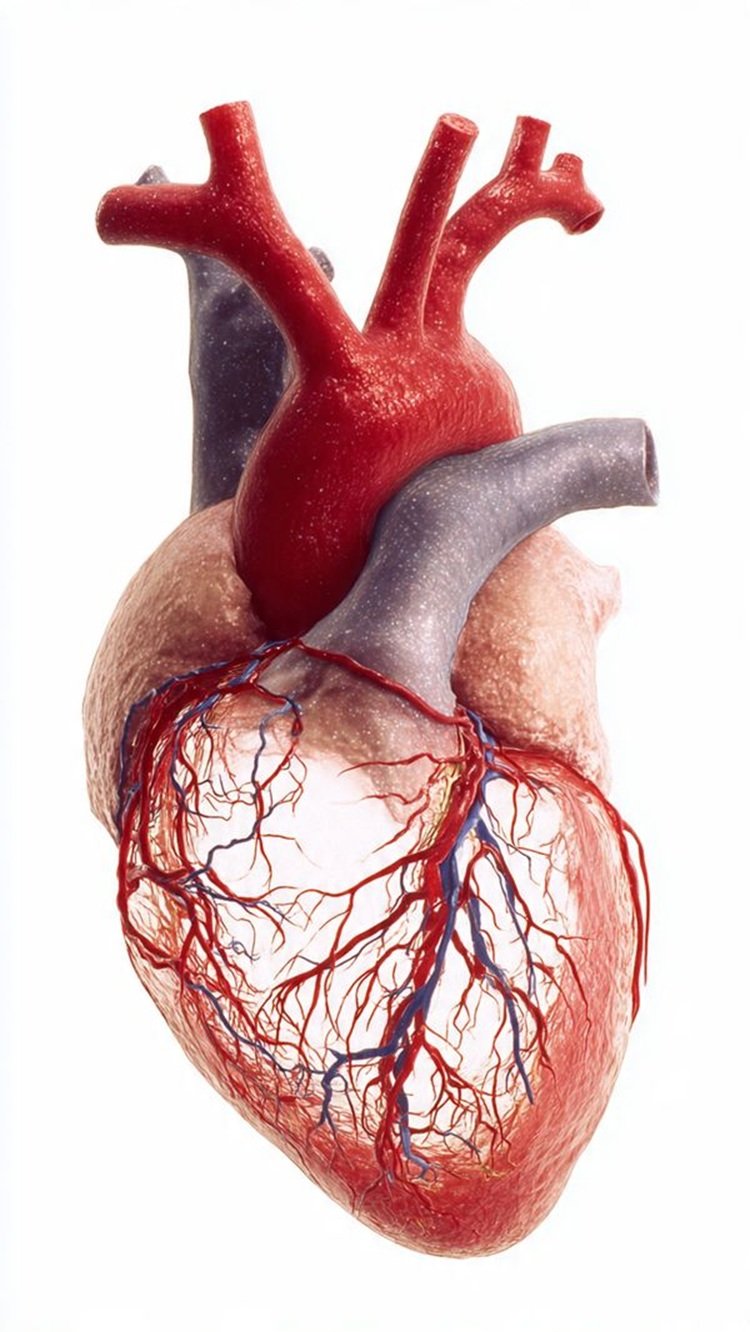
The heart is a fist-sized muscular organ which is positioned in the center, slightly left of the chest. Despite being small, it has an amazing work to do, which is pumping approximately five liters of blood per minute (or even more when it is time of physical activity). The heart has four chambers, which are; the right article, right ventricle, left article and left ventricle. These chambers operate in a synchronized order that guarantees the flow of blood in the body.
The blood flows to the heart via the atria and then it is discharged by the ventricles. The flow of deoxygenated blood up to the body is done in the right side of the heart. It transports this blood to the lungs in the pulmonary arteries. Oxygen is taken in the lungs and carbon dioxide is expelled. The blood that has a high oxygen concentration goes back to the left side of the heart where the left heart discharges it to the body via the aorta.
The heart is provided with valves that prevent retrograde flow of blood and make sure the movement of blood is unidirectional. These are the tricuspid, pulmonary, mitral and the aortic valves. The opening and closing rhythm is the familiar heartbeat sound due to their accuracy.
The structure of the heart renders it a powerful and strong pump. Its walls are made of powerful cardiac muscle, which is able to keep on contracting without fatigue. The rate and rhythm of contraction is regulated by electrical signals produced in the heart. These impulses start in the sinoatrial (SA) node commonly referred to as the natural pacemaker that determines the heart rate. The contraction and relaxation of the heart muscles form a cycle that facilitates the circulation in the body.
Blood Vessels: The Circulatory Systems of the Body
Blood vessels constitute a great net that runs through all the tissues and organs. These vessels establish the pathways in which blood moves and they are classified into arteries, veins and capillaries. Both types possess their peculiarities adapted to their purpose.
Blood is delivered to the body through arteries. Their walls are also thick and elastic to counter the high pressure formed by the pumping force of the heart. The largest artery, which is the aorta, is divided into smaller arteries which serve every part of the body. The arteries lead to the arterioles which control blood flow even more by the smooth muscle that changes the diameter of vessels.
Blood is transported in the veins to the heart. Their walls are also thinner compared to those of arteries since the pressure within the veins is low. The valves in many veins prevent the back flow of blood and especially in the legs, the blood has to rise against the gravity. Skeletal muscles move when one is walking and this causes blood to be pumped through veins- this is called the skeletal muscle pump.
The smallest blood vessels are the capillaries. The gases, nutrients, and waste products can move between the bloodstream and the surrounding tissues through its thin one-cell-thick walls. All the organs depend on the capillary networks in order to get oxygen and nutrients and to eliminate carbon dioxide and metabolic wastes.
Arteries, veins and capillaries create a network that makes blood accessible to all parts of the body.
The Blood: The Movement of Circulation in the Body
There are two major circulatory systems in the cardiovascular system namely, pulmonary circulation and systemic circulation. Pulmonary circulation is blood circulation between the lungs and the heart. Systemic circulation entails flow of oxygenated blood to the body and its supply by the heart and back after the supply of oxygen.
In the blood, the deoxygenated body blood passes into the right atrium of the pulmonary circulation, thence into the right ventricle which delivers it to the lungs. It takes place in the lungs where the lungs remove the carbon dioxide and the blood receives oxygen. This is the oxygenated blood that goes back to the left side of the heart.
When the left ventricle forces out oxygenated blood into the aorta, it is the starting point of the systemic circulation. It moves there through arteries to the organs and tissues. Blood that has oxygen and nutrients is pumped through the left side of the heart, and the deoxygenated blood flows through the veins back to the right side of the heart where the process starts again.
The circulation is active and unrestricted. The cardiovascular system adapts to the need of the body at a particular time. As an illustration, when a person is exercising, blood vessels that serve muscle dilate and, therefore, it increases the delivery of oxygen and nutrients to active tissues. To increase demand, heart rate and stroke volume rise. When the activity ceases, the system goes back into resting levels.
The Role of Blood in Transportation and production
Blood is necessary in maintaining life. It moves oxygen and inhaled to the tissues, nutrients and food moved through the digestive tract, and carbon dioxide and toxic byproducts of metabolism are exchanged. The hormones are also carried in the blood, which facilitates communication among organs. Moreover, blood is also very important in immunity and temperature regulation.
There are platelets, white blood cells, red blood cells and plasma which constitute blood. The liquid part is called Plasma, it includes water, proteins, nutrients and dissolved gases. The red blood cells have the protein called hemoglobin, which binds oxygen and makes the blood to be red. The immune system is represented by white blood cells that protect the body against infection. Platelets are involved in the formation of blood clots in order to ensure that there is no excessive bleeding.
The communication between blood factors favors the general well being. Lack of proper circulation makes oxygen delivery to the body fail and the tissues are not able to maintain their operations. The build-up of waste may be toxic to cells. Our immune systems are also weakened and body temperature is not regulated.
The contribution of the Cardiovascular System to Homeostasis
The cardiovascular system is used to keep the organism in balance through the delivery of vital substances, the regulation of temperature, and aiding the elimination of waste. Blood vessels become open to the skin letting heat out when the body heats up. As the body cools down, vessels constrict in order to keep the body warm. Endocrine gland hormones circulate in the blood affecting metabolism and growth and even stress responses. Urea among other waste products is transported via blood to the kidneys to be excreted.
The constant regulation ensures that the body is operating normally even in the face of the environment.
High Blood Pressure: When the Squeezer is a Pain.
Hypertension, which is also known as high blood pressure, is the condition related to blood exerting excessive and prolonged pressure upon the walls of vessels. In the long run, this increased pressure damages the arteries turning them stiff and less flexible. Hardened arteries lead to more labor on the heart risking the heart to attack, stroke, kidney disease and heart failure.
Hypertension has a number of causes among them being diet, stress, genetics, exercise and underlying ailments. Due to a lack of symptoms in most instances, hypertension has been referred to as a silent killer. It is necessary to monitor regularly to detect it early.
Hypertension can be treated by means of lifestyle changes including reducing salt consumption, physical exercise, stress management, and healthy body weight. Drugs can also be used to relax blood vessels or decrease the amount of blood.
Learning the mechanisms of hypertension formation proves the necessity of good circulation.
Cardiovascular Disease: Heart Disease: A Massive Problem.
Heart disease can be defined as various disorders that impact the heart structure and its functioning. One of the most prevalent is the coronary artery disease (CAD) that is developed when arteries leading to the heart are narrowed by plaque. This slows down blood circulation reducing oxygen supply to the heart. When a plaque bursts, it may result in a blood clot thus entirely stopping blood flow and leading to a heart attack.
The symptoms of coronary artery disease can be either chest pain and fatigue or shortness of breath or in severe cases heart attack. The risk determinants are high cholesterol, high blood pressure, smoking, diabetes, obesity, stress and family history.
Heart disease condition deteriorates the heart and makes it ineffective in pumping blood. The treatment may include medication, lifestyle modification, or surgery including angioplasty or bypass.
The knowledge of heart disease emphasizes the need to have a heart-safe lifestyle by prevention and early diagnosis.
Having a Healthy Cardiovascular System
The lifestyle choices are to be taken care of to have a healthy cardiovascular system. Exercise helps in strengthening the heart and enhancing circulation. A nutritious meal aids in maintaining the health of blood vessels and managing the cholesterol levels. Fluid maintains the flow of blood. Smoking and alcohol minimization would lead to long-term cardiovascular stability.
The stress management is also critical, because chronic stress influences the heart rate, blood pressure, and balance of hormones. Sleep facilitates the healing process and puts less pressure on the heart.
With the help of protective habits, people can considerably decrease their exposure to cardiovascular disease.
Conclusion
The cardiovascular system comprises one of the most important networks in the human body. The heart, blood vessels, and blood are all interconnected parts of the body that tirelessly work to deliver oxygen and nutrients and eliminate waste, maintain temperature, transport hormones, and protect a person through immunity. Knowing its form and operation enables the reader to understand the complexity of circulation and why a problem like hypertension and heart disease can be such a big thing.
Given the knowledge and healthy lifestyle-related decisions, people will be able to maintain a healthy heart system that fosters healthy and long-term conditions.