Are you a newbie handloader? Feeling stuck between supersonic and subsonic load recipes? Then you have reached the right place. In this article, we will learn the differences between supersonic and subsonic load recipes and how they affect subsonic reloading.
Knowing the subtle nuances between subsonic and supersonic reloading is quintessential not only for the performance but also for your safety, firing consistency, and realistic results. For such reasons, new handloaders, mostly hobbyist shooters, sportsmen, and even precision shooters, choose to look at structured data on load-calculating sites or tools, like ApexLOAD PRO, to avoid mistakes. You can also visit such platforms to understand how a small change in the load recipe component impacts the velocity and pressure during shooting.
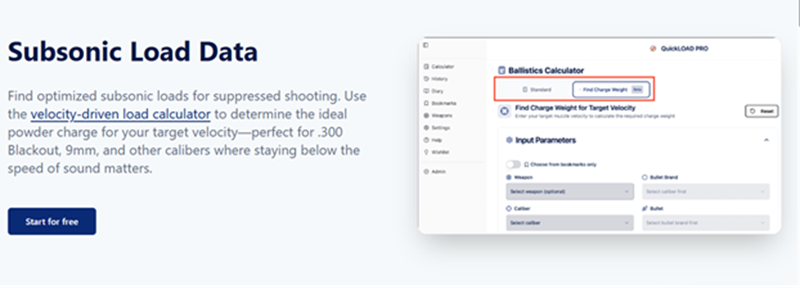
Beginners need to know that choosing the exact load recipe for handloading is not about assembling parts only; it’s about understanding the speed/velocity and speed of sound that affects safety and precision. So, let’s not waste time and energy making noise, but read out the differences between supersonic and subsonic reloading recipes for safe and precision reloading. Whether you are a beginner or a pro, this read is for all.
So, let’s jump into the main discussion.
Supersonic Vs. Subsonic – Understand the Difference Here
The difference between the supersonic and subsonic is all about the speed of sound. When the supersonic ammunition provides a speed faster than the speed of sound, the subsonic ammunition provides a lower speed than the speed of sound. When you go with a supersonic load recipe, you will have a bullet that will travel faster than sound and create a cracking sound. However, subsonic bullets never create any cracking sound as they stay below the speed of sound.
So, if the velocity of the ammunition is affected by a bit, it creates ample
differences in noise, pressure, performance, and safety matters. This is why the supersonic and subsonic load recipes require precise planning.
Discover Why Velocity Matters More Than Anything
If you believe that velocity in the load recipes is only about speed, you know only half of the whole story. Velocity influences the internal behavioral pattern of a firearm. It affects the performance of the bullet in flight.
If there is any change regarding speed in ammunition data, you will find certain changes.
- The internal pressure of the firearm changes
- The rate of energy transfer changes
- Change in stability during flight
- The rotation speed of the bullet becomes different.
- There will be a shift in noise characteristics.
So, handloaders, if you believe that the supersonic and subsonic load recipes are interchangeable, you are completely wrong. Both load recipes work with different formulas and operate under different circumstances. So, to keep the performance intact with safety and accuracy, reloaders must treat them accordingly. To find out precise load recipes for your firearm with the load calculator, you can certainly count on ApexLOAD PRO, a velocity-driven load calculator, trusted by professional and pro handloaders.

Load Recipes of Subsonic and Supersonic Ammunition
Obviously, there will be structural differences in the load recipes of subsonic and supersonic ammunition. Let’s understand how they are built and their characteristics.
We will start with subsonic load recipes.
Subsonic reloadings make sure the velocity remains under the speed of sound while the stability and reliability of the ammunition stay intact. There are several reasons why people choose subsonic reloading over supersonic reloading.
- It is shot at noise below the speed of sound.
- The recoiling is softer.
- It provides a completely different shooting experience.e
You can use the reloading data for designing ammunition with near zero legal hassle or complications.
Subsonic load recipes do not simply slow down the standard load. It balances multiple factors so that you can have the best shot at reduced speed.
Time to dig into supersonic Load Recipes. Let’s do it…..
In general, the factory ammunitions are built in supersonic load recipes. They are designed for the fastest, highest energy, and straightest trajectory. Here are more that help you define how a subsonic reloading recipe works,
- It provides higher velocity, and it is great for distance shooting. It takes less time reaching target.
- It ensures a flatter trajectory or rotation. Meaning, the bullet/cartridge drops less and reaches the target easily from a long distance.
- It delivers greater impact, even at a greater distance.
- It breaks the sound barrier and produces a noticeable noise.
However, supersonic reloading data is more consistent compared to subsonic load recipes. Thus, many of the ready-to-use load recipes are built in supersonic load recipes.
Ultimate Comparison between Subsonic and Supersonic Reloading Recipes
The subsonic reloading recipes are more data-driven and crucial. A slight change in the component or pressure can lead to an inevitable disaster. As the load recipe is prepared with a low velocity formula, it requires a heavier bullet formula to compensate for the lower speed. Whereas the supersonic reloading recipes require a standard formula. The barrier to the speed and noise is not taken here so sensitively. Supersonic ammunitions confirm flatter trajectory, speed, and higher distance aiming with an effective shot. But, subsonic ammunition requires a different level of aiming adjustment with a speed below the threshold of the speed of sound and precision.
Before Wrapping Up…..
It is good to start with exploring the differences between supersonic and subsonic load recipes when you are a beginner in the arena of handloading. Both recipes differ in speed, ammunition formula, and trajectory. Velocity changes the pressure, trajectory, and performance stability. That is why using careful data is essential rather than optional. ApexLOAD PRO is a platform that helps handloaders understand the formula and calculate the load based on requirements with insightful and trusted resources.
So, if you are in a testing phase and you want a safe landing in your reloading journey, consider ApexLOAD PRO as your guide. You will learn about supersonic and subsonic load recipes and the right principles behind the ammunition data more clearly and avoid mistakes.