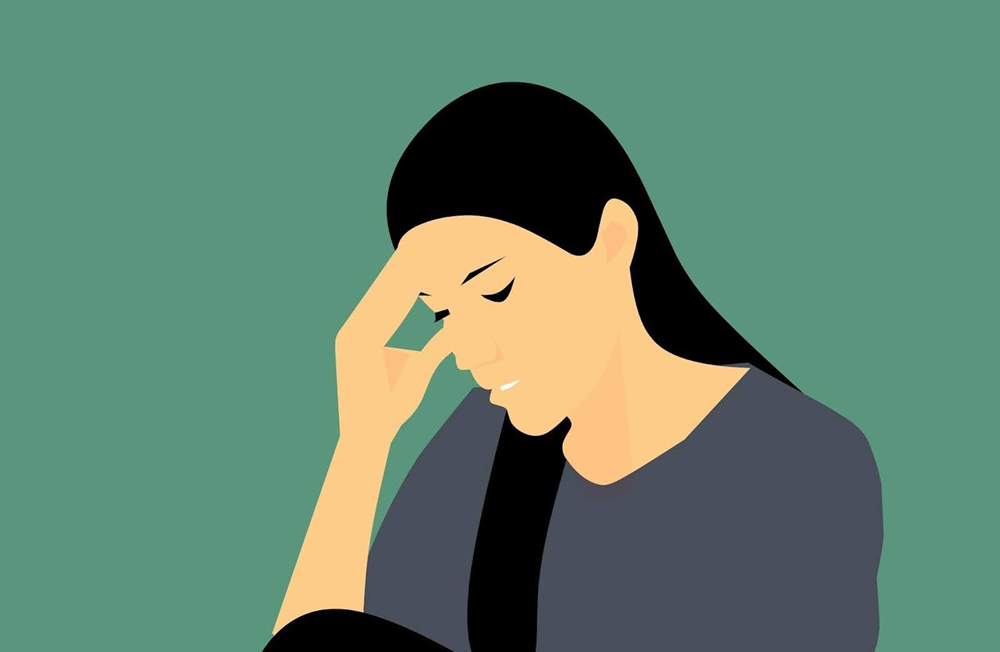
Stress has become one of the most defining forces of modern life. It no longer appears only during major challenges or unexpected events; it lives quietly inside daily routines. Notifications, deadlines, constant availability, and unspoken expectations create a background tension that many people accept as normal. Yet lifestyle trends increasingly suggest otherwise. Managing stress is no longer a reaction — it is a skill built into how life is designed.
The most effective approach to stress management starts with awareness. Many people do not notice stress because it feels familiar. It shows up as constant fatigue, irritability, shallow breathing, or an inability to fully relax. A healthy lifestyle begins by recognizing these signals and understanding that stress is not just emotional — it is physical, mental, and environmental.
One of the strongest lifestyle tools against stress is structure. Predictable routines create psychological safety. Regular wake-up times, consistent meals, and planned breaks reduce decision fatigue and help the nervous system stay regulated. Structure does not mean rigidity; it means creating enough stability so the mind can rest.
Time boundaries are equally important. A lifestyle without limits invites constant pressure. When work, communication, and entertainment blend into one continuous stream, stress accumulates silently. Intentional separation — work hours that end, evenings without obligations, days with no agenda — allows recovery to happen naturally. Rest becomes effective only when it is protected.
Movement plays a key role in stress regulation. Physical activity releases stored tension and improves emotional balance. The modern approach avoids extremes. Instead of punishing workouts, people choose movement that supports recovery: walking, stretching, light strength training, or mobility-focused routines. Consistency matters more than intensity when the goal is nervous system balance.
Breathing, often overlooked, is one of the fastest ways to reduce stress. Shallow breathing keeps the body in alert mode. Slow, intentional breathing signals safety. Incorporating short breathing pauses throughout the day — during transitions or before sleep — can significantly lower stress levels without requiring extra time or equipment.
Digital habits strongly influence stress. Constant input overwhelms the brain, even when content seems harmless. A stress-aware lifestyle involves curating digital exposure. Notifications are reduced. Content is chosen intentionally. Mindless scrolling is replaced with focused interaction or complete disengagement. Technology becomes a tool, not a source of pressure.
Leisure choices also matter. Not all relaxation is restorative. Some activities distract without allowing recovery. Healthy stress management favors leisure that restores energy rather than numbs it. Reading, creative hobbies, music, or time-bound digital entertainment can be effective when approached consciously. For some, structured engagement — including short, intentional interaction with platforms associated with x3000 — fits into leisure as stimulation with boundaries, not escape.
Sleep remains the most underestimated stress-management strategy. Poor sleep amplifies stress responses, reduces emotional regulation, and increases sensitivity to pressure. A lifestyle that prioritizes sleep hygiene — consistent schedules, reduced evening stimulation, calm environments — builds resilience from the inside out. Sleep is not passive; it is active recovery.
The social environment influences stress more than most people realize. Relationships that demand constant emotional labor increase tension. Supportive connections reduce it. Modern lifestyle trends favor fewer, healthier relationships over wide but shallow networks. Honest conversations, shared silence, and emotional safety contribute directly to stress reduction.
Environment design is another subtle but powerful factor. Clutter, noise, and poor lighting increase cognitive load. Calm spaces reduce stress without effort. Clean layouts, soft light, and intentional organization create environments that support relaxation automatically. Lifestyle design becomes stress management by default.
Mindset also plays a role. Perfectionism and constant self-pressure create internal stress even in calm conditions. A stress-aware lifestyle encourages flexibility, self-compassion, and realistic expectations. Progress replaces perfection. Adaptation replaces control. This shift reduces internal conflict and supports long-term balance.
Importantly, stress management is not about eliminating pressure entirely. Some stress is unavoidable and even useful. The goal is regulation, not avoidance. A healthy lifestyle allows stress to rise when needed — during focus or challenge — and then fall naturally through recovery and rest.
Modern stress management is proactive. Instead of waiting for burnout, people design routines that prevent overload. They protect energy, simplify decisions, and choose engagement carefully. Over time, this approach creates resilience rather than exhaustion.
A lifestyle that manages stress effectively feels grounded rather than rushed. Energy becomes more stable. Focus improves. Emotional reactions soften. Life feels less reactive and more intentional.
Ultimately, stress management is not a single habit or technique. It is the result of aligned choices — how time is structured, how energy is protected, how leisure is chosen, and how boundaries are respected. When these elements work together, stress loses its grip.
In a world that rewards speed and availability, choosing a stress-aware lifestyle becomes a form of quiet strength. It allows people to stay engaged without burning out, ambitious without collapsing, and present without pressure. And over time, that balance becomes not just healthier — but sustainable.