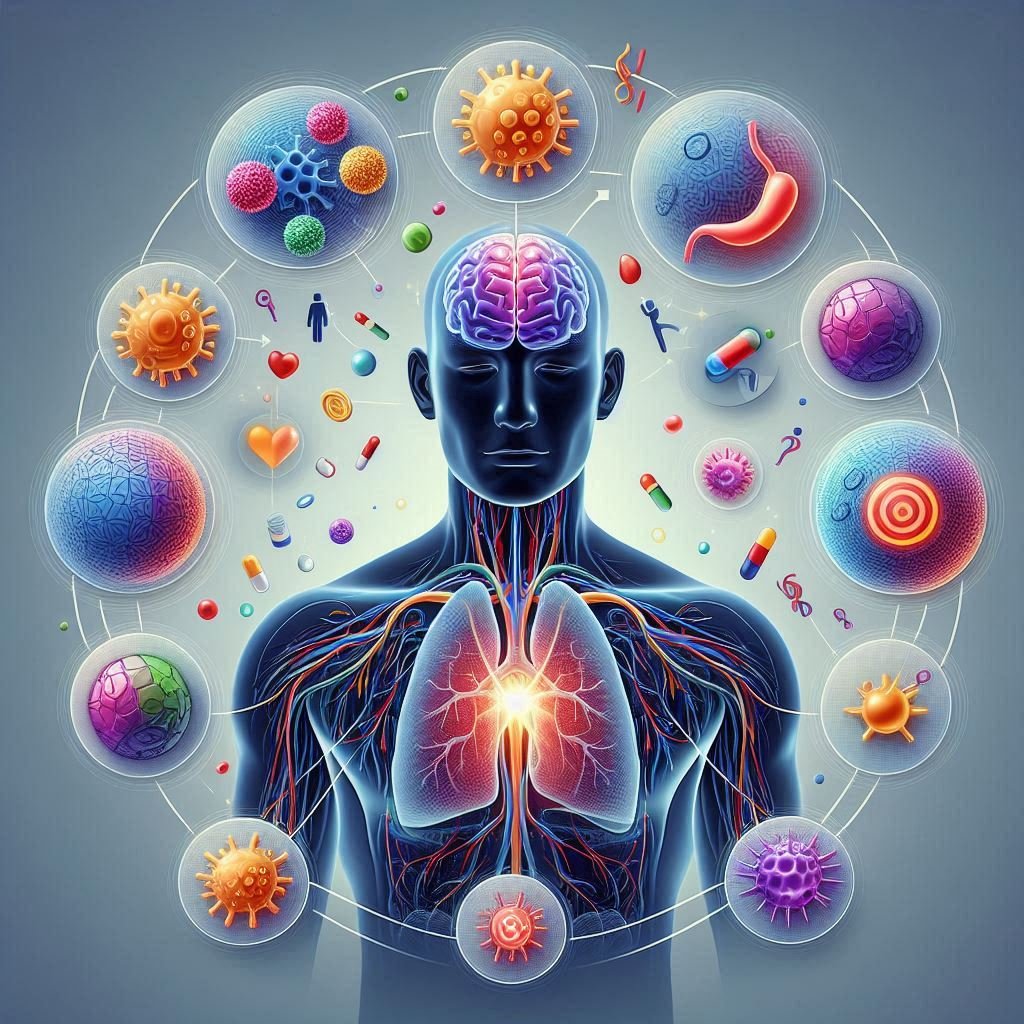
Stress is an inevitable aspect of life that affects the manner in which people think, feel, and react to life. Although stress in short-term may sometimes lead to increased alertness and performance, long term or chronic stress may lead to serious effects on physical health. The influence of stress on the immune system is one of the greatest impacts of stress. The relationship between mental health and immune suppression underscores the fact that mental health directly affects the body in terms of its capacity to protect itself against disease.
The immune system exists to guard the body against pathogens that are harmful like bacteria, viruses and toxins. But, in case the body is subjected to constant stress, it is possible to impair this defensive mechanism. The regular stress leads to impairment of the hormone balance and immune response, and people become susceptible to infections and slower to recover when they are sick.
Knowing the correlation between immunity and stress is vital to the health in general. People can boost their immune system and enhance their living standards by being aware of the impact of stress on the body, as well as using effective stress management techniques.
Knowing Psychological Stress and Immune Suppression
Psychological stress and immune suppression are based on the interplay of nervous system, endocrine system, and immune system. When a person is stressed, the body triggers a physiological process which is usually referred to as the fight or flight process. This response conditions the body to act in response to perceived threats by releasing stress hormones like cortisol and adrenaline.
This can be a good response in the short term. It enhances the level of alertness, enhances energy and makes the body ready to act. But on the other hand, chronic stress occurs and the constant discharge of stress hormones may disrupt the usual functioning of the immune system.
Cortisol, in particular, plays a major role in immune suppression. Although effective in the short run in terms of controlling inflammation, the long-term effects of high cortisol levels may decrease the generation of immune cells and compromise the body to combat infections. This results in a condition of the immune system being less reactive and less effective.
Understanding The Biological Processes of Stress and Immunity
Psychological stress and immune suppression can only be well comprehended when the biological processes involved are examined. The immune system is influenced by stress in a variety of mechanisms such as hormonal variations, regulation of inflammation, and neural communication.
When the brain detects stress, then it activates the hypothalamus to trigger the hypothalamic-pituitary-adrenal (HPA) axis. This causes discharge of cortisol by adrenal glands. On the one hand, cortisol is important in dealing with stress, but on the other hand high concentration of cortisol inhibits immunity by lowering lymphocytes production, which plays a vital role in fighting infections.

“psychological stress and immune suppression of hormonal and immune responses”.
The autonomic nervous system is another system that is affected by stress, the sympathetic branch of the system. This activation raises heart rate and the energy goes to urgent survival requirements, not the long-term immune functions. Consequently, the body focuses on short-term reactions at the expense of a robust immune system.
Moreover, chronic stress may cause the disruption of the balance of inflammatory reactions. Although inflammation is required to combat infections, acute or chronic inflammation may cause tissue damage and compromised immune function.
Health Impact of Stress in the Long-term
Chronic stress has a wide range of negative effects on the immune system. Among the most evident effects of the immune depletion and psychological stress, one may mention a heightened vulnerability to infections.
Stressful individuals have a higher chance of contracting common diseases like colds and flu among other diseases. This is due to the fact that they have a weak immune system that is unable to recognize and remove the pathogens.
The healing process can also be slowed down by stress. The healing process of wounds can be slow and the duration of recovery of illnesses can be extended. This is because of low activity of immune cells and inflammatory responses.
Moreover, long-term health conditions may be developed due to the influence of chronic stress. The continued immune suppression could lead to more autoimmune diseases, a condition in which the immune system misdirects its action by attacking normal cells.
The Mental Health in Immune Strength
Mental health is vital in the process of defining the response of the body to stress. Good mental health may have a positive effect on immune functioning, whereas poor mental health may be a contributor of immune suppression.
Stress responses are aggravated by emotional conditions like anxiety, depression, and chronic worry that cause the stress pathways to remain active. This repetitive stimulation strengthens the loop of psychological stress and immunosuppression.
Conversely, emotional balance may be used to manage stress hormones and boost the immune system. Mental health therapies including mindfulness and social engagement can lessen the adverse impacts of stress on the body.
Stress and Inflammation
The major aspect of the immune response is inflammation, which should be strictly controlled. Stress may interfere with this balance resulting in excess or inadequate inflammation.
Persistent inflammation of low grade is common with chronic stress. The condition may harm tissues and lead to a number of health issues, such as cardiovascular disease and metabolic disorders.
Simultaneously, stress may lead to the inability of the body to develop an effective inflammatory response when it is required. This twofold effect indicates the multifacetedness of psychological stress and immune suppression and its effects on general health.

“psychological stress and immune suppression affecting inflammation and immune balance”
Basic Stress Management Skills
Stress management is a key to a healthy immune system. Implementing pragmatic approaches, people will be able to mitigate the effects of stress and help both their physical and psychological health.
- Mindfulness and Meditation
Mindfulness practices are being present and conscious of thoughts and feelings without judgment and being in the present moment. Meditation is capable of alleviating stress by relaxing the mind and decreasing the amount of cortisol.
The regular practice of mindfulness has been demonstrated to have a positive effect on emotional regulation and strengthening immune functions. It aids in breaking the stress-immune suppression cycle of the mind and induces relaxation and clarity of the mind.
- Physical Activity
One of the best methods of dealing with stress is through exercise. Exercising minimizes stress hormones and enhances the synthesis of endorphins, which elevates mood.
Exercise is also helpful in maintaining the immune system by ensuring that the body has sufficient circulation and that the immune cells are flowing throughout the body. Moving on to moderate exercise like walking can prove to be of great help.
Relaxation Techniques
Stress levels can be minimized using relaxation methods including deep breathing, progressive muscle relaxation, and yoga. The practices stimulate the parasympathetic nervous system, which facilitates rest and recovery.
Relaxation techniques can help in restoring harmony and aid immune health by reversing the effects of stress response.
- Healthy Sleep Habits
Both mind and immunity cannot operate effectively without sleep. Sleep deprivation may elevate stress levels and diminish the immune system.
The quality of sleep can be improved by forming a regular sleep schedule and ensuring a sleep environment is comfortable. Rest is important as it enables the body to heal, and reinforces its resistance against disease.
Lifestyle Factors that affect Stress and Immunity
Besides stress management methods, some lifestyle issues are critical in ensuring immune health.
- Balance diet contains the nutrients required in immune functioning. Adequate nutrition assists in the generation of immune cells and inflammation control.
- Social connections are also important. The relationships are positive and can help decrease stress and enhance emotional well-being, which leads to immune health.
- Excessive workload or bad environments are examples of chronic stressors that can be avoided to prevent the immune system of the body to be suppressed over time.
Prolonged Effects of dealing with Stress
The management of stress is of long-term psychological and physical benefit. Through lessening the psychological pressure and suppression of the immune system, human beings can enhance the immune system and become less susceptible to disease.
In the long run, stress management may result in increased emotional stability, cognitive functioning and well being. It also minimizes the chances of developing chronic illnesses due to stress over a long period of time.
The Holistic Approach to Immune Health
The holistic approach to health is the approach that takes into account the interrelation of the mind and the body. Stress management is not the only and sole way of sustaining a strong immune system.
Stress management plus good nutrition, exercise, and sleep make up a complete plan of enhancing health. This comprehensive strategy makes sure that the well-being is covered in every aspect.
Conclusion
The interaction between stress and immunity underlines the significance of paying attention to the mental health as a whole. The effect of chronic stress and the immune suppression by psychological stress prove the fact that the body of a person can be weakened and predisposed to diseases.
Knowing the biological processes that cause stress and using appropriate coping strategies, one is able to preserve his or her immune system and enhance his/her health. Mindfulness, exercise, relaxation, and sleep are essential practices that reduce stress and promote immune activity.
Finally, to sustain health over time, it is necessary to maintain a balance between the mental and physical health. Stress management helps one to enhance the natural body defenses and live more healthy and resilient lives.