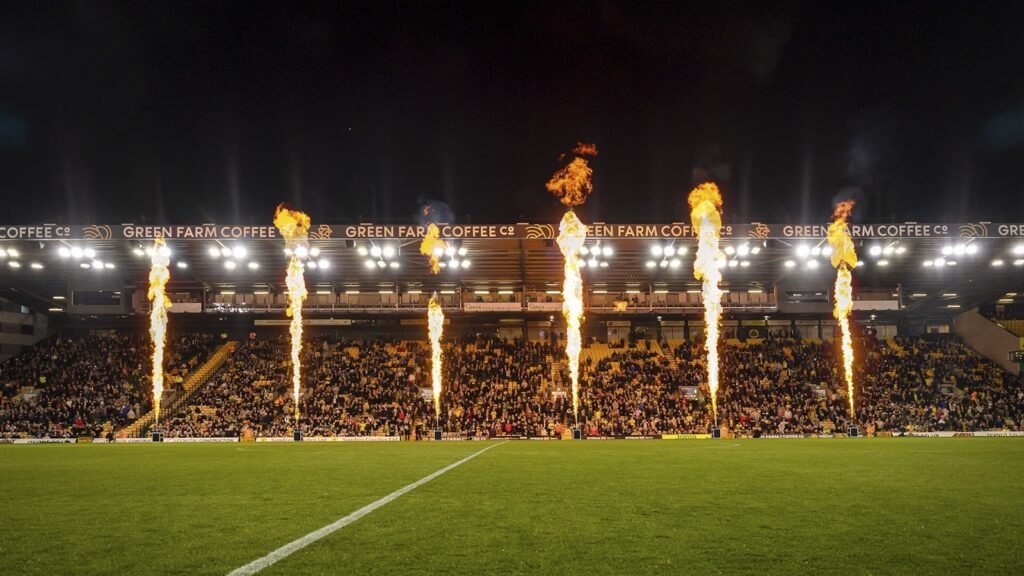
In today’s fast-paced world of sports and live entertainment, lighting has evolved far beyond simple illumination. Stadiums are no longer just places to watch games,they’re immersive environments where technology enhances every fan’s experience. From precision-controlled spotlights to energy-efficient LED grids, the evolution of smart lighting is transforming how arenas operate and how audiences engage.
At the heart of this transformation lies the stadium lighting control system, an intelligent network designed to bring performance, efficiency, and flexibility to every event. These systems are redefining what’s possible for both sports venues and large-scale entertainment spaces.
The Shift Toward Smart Lighting in Modern Arenas
Gone are the days of manual switches and uniform lighting setups. Modern stadiums demand advanced systems capable of adapting to various events,from football matches to concerts and community functions. Smart lighting systems allow operators to customize brightness, direction, and color in real time, creating a fully dynamic atmosphere.
This shift isn’t just aesthetic; it’s operational. Stadium owners can reduce maintenance costs, cut energy consumption, and extend fixture lifespan with automated controls and advanced monitoring tools. Smart systems ensure every light performs optimally without wasting electricity or requiring frequent manual adjustments.
Understanding How Smart Lighting Systems Work
At their core, intelligent lighting systems combine hardware, software, and sensors to create an adaptive network. Each fixture communicates with a central controller, enabling real-time data exchange. This connectivity allows operators to automate schedules, detect faults instantly, and make precise adjustments remotely.
Modern systems leverage IoT (Internet of Things) technology, integrating lighting with other stadium operations,such as HVAC, security, and audio systems. This creates a unified ecosystem where lighting is part of a larger, interconnected infrastructure designed for seamless control.
Enhancing the Fan Experience Through Lighting
Spectator experience is a key focus for every venue, and lighting plays a powerful role in shaping it. Smart lighting transforms an ordinary match or concert into an emotional journey.
Dynamic color transitions, synchronized flashes with sound effects, and themed light shows immerse fans in the moment. Whether it’s team-colored highlights during a goal celebration or synchronized lighting during halftime performances, modern systems turn light into an expressive storytelling tool.
Moreover, high-precision lighting ensures excellent visibility for both live spectators and broadcast viewers. Uniform illumination across the field eliminates shadows, improving viewing quality and maintaining consistency on camera.
Energy Efficiency and Sustainability
Sustainability has become a top priority in sports infrastructure. Traditional floodlights consume enormous amounts of energy, but modern LED-based smart systems drastically reduce power usage.
Automated dimming and motion sensors further optimize consumption, ensuring lights are used only when needed. Some systems even integrate renewable energy sources, such as solar panels, for partial or complete self-sufficiency.
Energy savings of up to 60% are achievable with intelligent controls, making stadium lighting an eco-friendly investment. These systems also lower maintenance costs due to longer LED lifespan and predictive maintenance alerts.
Streamlining Operations and Maintenance
One of the most significant advantages of smart lighting control systems is simplified management. Maintenance teams can monitor all fixtures through a central dashboard, receiving instant notifications if an issue occurs.
Instead of routine manual checks, maintenance becomes data-driven. Predictive analytics help identify potential failures before they happen, preventing costly downtime during major events.
Additionally, scheduling features allow managers to set lighting sequences based on upcoming events, cutting setup time and reducing the risk of human error.
Integration with Other Stadium Systems
The modern stadium operates like a smart city,each subsystem interconnected for efficiency. Lighting control systems now integrate seamlessly with building management systems (BMS), security, and event management platforms.
For example, when a fire alarm triggers, lighting can automatically shift to guide people toward exits. During concerts, lighting can synchronize with sound cues for immersive effects. This level of integration makes stadiums safer, smarter, and more adaptable to any situation.
Customization and Control Flexibility
Flexibility is one of the most impressive aspects of smart lighting technology. Operators can create and store custom presets for different events,like training sessions, matches, or ceremonies,switching between them instantly with a few clicks.
Wireless control options and mobile applications allow operators to adjust lighting remotely. This means stadium managers can modify brightness or color schemes without being physically present in the control room.
The ability to tailor lighting scenes on demand not only enhances operational efficiency but also supports creativity, giving event organizers more freedom to design unique visual experiences.
Safety, Compliance, and Visibility Standards
Lighting in sports venues isn’t just about aesthetics; it’s a matter of safety and compliance. Players, referees, and broadcasters depend on consistent, glare-free illumination that meets international standards.
Smart lighting systems ensure precise light levels across every zone, reducing shadows and improving reaction times on the field. They also comply with broadcast lighting regulations, ensuring clear visibility for cameras and audiences worldwide.
Moreover, emergency lighting modes can activate instantly in case of power failures, ensuring safe evacuation and uninterrupted visibility.
The Role of Data Analytics in Lighting Management
Data is the new gold in facility management. Advanced lighting systems collect valuable operational data,such as usage patterns, energy consumption, and fixture performance.
This information allows stadium operators to make informed decisions, from optimizing schedules to planning upgrades. Over time, analytics help predict when equipment may need servicing, allowing for proactive maintenance instead of reactive repairs.
Data-driven insights also support sustainability reporting, helping organizations demonstrate environmental responsibility to stakeholders and fans alike.
Future Innovations in Stadium Lighting
As technology continues to evolve, the next generation of lighting control systems will offer even greater sophistication. Artificial intelligence (AI) and machine learning are being integrated to optimize lighting performance automatically based on crowd size, event type, and ambient light conditions.
We’re also seeing developments in wireless mesh networking, which enhances system reliability and reduces installation complexity. Combined with smart sensors and edge computing, these innovations promise faster response times and even more energy savings.
The future of stadium lighting lies in complete automation,systems that learn, adapt, and self-manage with minimal human intervention.
The Human Element Behind Smart Systems
While automation is powerful, the human touch remains essential. Technicians, lighting designers, and operators play a crucial role in interpreting data, customizing effects, and ensuring safety.
Smart systems don’t replace people,they empower them. By automating repetitive tasks and providing better insights, these tools allow professionals to focus on creativity, performance, and delivering exceptional experiences.
Implementing a Smart Lighting Strategy
Transitioning to a smart system requires thoughtful planning. Stadium managers should begin by assessing current infrastructure, identifying goals, and setting clear performance benchmarks.
Next, partner with experts who specialize in designing intelligent lighting solutions. Proper installation, calibration, and software integration ensure your investment pays off over time.
Finally, train staff to use new tools effectively. A well-informed team ensures seamless operations and long-term success.
Conclusion
The evolution of stadium lighting reflects a broader trend toward smarter, more connected infrastructure. Intelligent lighting systems enhance every aspect of venue management,from performance and safety to fan engagement and sustainability.
By adopting advanced control technologies, stadiums can deliver breathtaking experiences while saving energy and reducing costs. The stadium lighting control system is more than a technical upgrade,it’s a foundation for the next era of immersive sports and entertainment environments.
Innovation in lighting isn’t just about brightness, it’s about brilliance, efficiency, and emotion. As technology continues to advance, stadiums around the world will continue to shine brighter, smarter, and more sustainably than ever before.
FAQs
1. What is a smart stadium lighting control system?
It’s a digital network that uses sensors, software, and automation to manage stadium lighting efficiently, ensuring flexibility, energy savings, and performance optimization.
2. How do smart lighting systems save energy?
They use LED technology combined with automation, dimming features, and motion sensors to reduce power consumption and prevent unnecessary usage.
3. Can smart lighting integrate with other stadium systems?
Yes. Modern lighting control systems can connect with building management, security, and audio systems for synchronized and efficient operations.
4. What maintenance benefits do these systems offer?
They provide real-time diagnostics, fault alerts, and predictive maintenance insights, reducing downtime and maintenance costs.
5. Is upgrading to smart lighting expensive?
While initial installation costs can be higher, the long-term savings in energy, maintenance, and operational efficiency make it a worthwhile investment for any stadium.