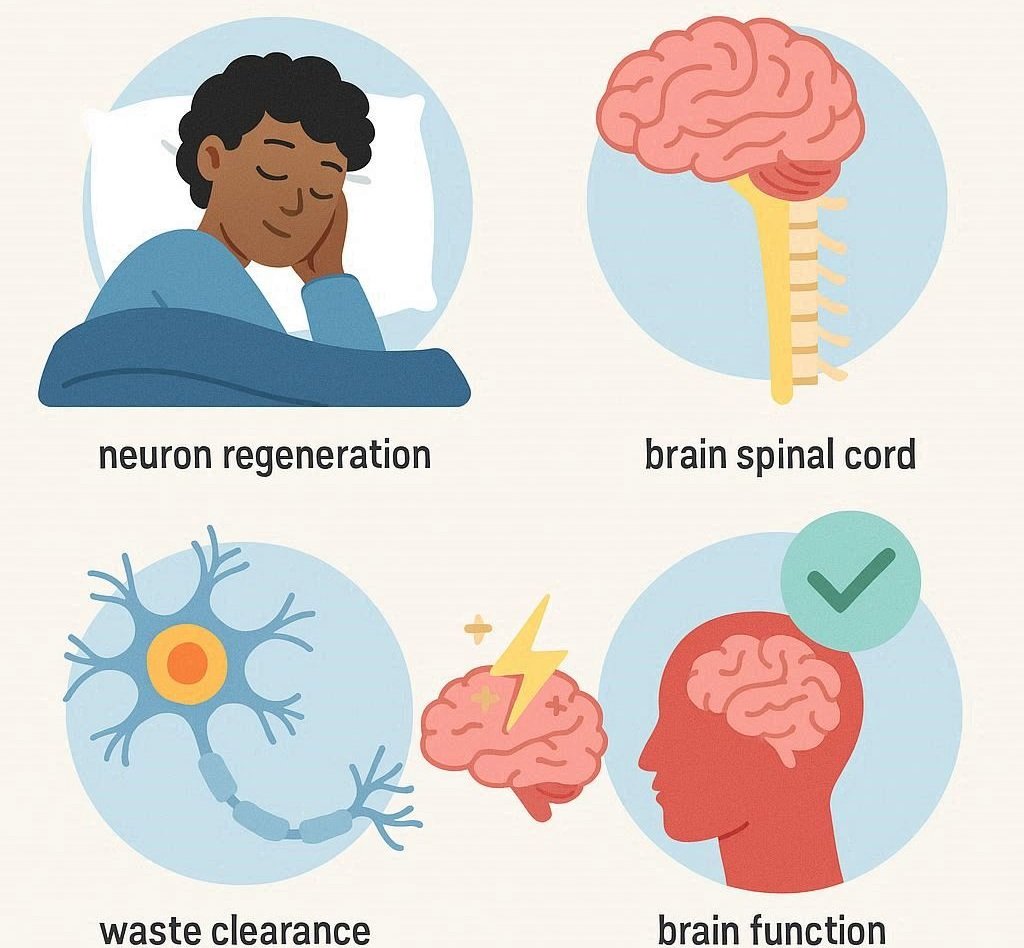
Sleep is among the most fundamental biological functions towards supporting the general well being; however, in the contemporary life it is not given due weight. Although individuals are likely to concentrate on nutrition and exercise, the importance of sleep in the support of the nervous system cannot be overestimated. When asleep, the brain experiences processes that are critical to maintaining cognitive functioning, emotional stability and physical wellbeing.
Sleep has been found to be important to the nervous system, as a way of stabilizing it, replacing lost cells, and enhancing the communication between the neurons. A lack of adequate rest will result in interruption of these processes, which will decrease mental acuity, weaken memory and efficiency in daily life. The relationship between brain activity and sleep serves as a reminder of why people need to take good rest in order to sustain good neurological health in the long term.
This paper will discuss the role of sleep in neural repair, memory consolidation, and cognitive efficiency as well as analyzing the effects of sleep deprivation on behavior and brain functions.
Relationship between Sleep and the Nervous System
In the body, the nervous system handles the transmission of signals that allow the individual to think, move and react to his or her environment. The system is very complex, and it requires continuous maintenance to work efficiently, and sleep offers the environment under which the maintenance can take place
When we are awake the brain is busy receiving information, acting on stimuli and organizing bodily processes. This activity constantly produces metabolic waste and causes stress on neural pathways. Sleep is a rest period and the brain is able to get rid of rubbish products and to function at its best.
Neural repair process is especially important when one is asleep. Cells that are damaged are repaired and neural connections are reinforced so that communication in the nervous system can be efficient. In absence of such a restorative process, the brain cannot carry out its important functions effectively.
The Neural Repair role during sleep
Neural repair is one of the most important functions of sleep. During the day, neurons are subjected to the different types of stress such as oxidative damage and metabolic stress. Sleep gives a chance to the brain to rejuvenate this damage and preserve the integrity of neural structures.
In the profound phases of sleep, brain functions trigger cell restoration and regeneration. The production of proteins that are used in the process of tissue restoration occurs and assists in repairing neurons damaged and sustaining the health of the neural networks. This makes the brain resilient so that it can adapt to new challenges.

Sleep is also instrumental in the development of new neural connections in addition to repairing the existing damage. This process is referred to as neuroplasticity whereby the brain has the ability to learn, adapt and become better as time progresses. Lack of sleep eliminates this capacity of creating and sustaining these relationships.
Consolidation and Learning of Memories
The role of sleep in memory consolidation is that short term memory is transformed into long term memory. The brain receives tremendous information during the process of waking up yet it is in sleep that the information is sorted and stored efficiently.
Diverse levels of sleep have a role to play in different facets of memory. Deep sleep is concerned with factual information consolidation and REM sleep with emotional and procedural memory. These steps combined together make sure that the brain is able to remember crucial information and that it is able to forget details that are not necessary.
Neural repair facilitates memory consolidation through reinforcement of the links among neurons that are involved in learning as well. This will improve learning capability of the brain in memorizing tests and putting into practice what is learned in real life.
Memory consolidation is interrupted when there is lack of sleep. This may cause a problem of retaining information, lowering the learning rate, and lowering academic or professional performance.
Cognitive efficiency and Mental performance.
The mental capacity to think fast and correctly is known as cognitive efficiency. The element of sleep contributes to this efficiency, since it makes the neural pathways clean and functional.
A brain that rests better suits to focus, solve issues and make a decision. Sleep helps in improving attention, speed of reaction, and creativity, which are fundamental in everyday life. Neural repair process facilitates these improvements by keeping the neurons healthy and aiding the efficient communication to take place in the brain.
On the contrary, lack of sleep can greatly affect cognitive ability. When people lack sufficient sleep, they tend to lack concentration, have reduced reaction time, and have high chances of making errors. These effects may have long-term effects on productivity and the quality of life.
Sleep Deprivation effects on the Nervous System.
The deprivation of sleep negatively affects the normal activity of the nervous system and disrupts such fundamental activities as repairing the neural system and consolidating memory. In the case of lack of sufficient rest to the brain, the brain is made less efficient thus being prone to damage.
Decreased alertness and attention is one of the effects of sleep deprivation in the short run. The brain is not able to process information well resulting in poor performance in cognitive and physical activities. This has the potential of increasing the chances of accidents and errors.

With persistent sleep deprivation, there are more severe results. It may disrupt emotional control and hence, people are more likely to experience stress, anxiety, and mood swings. Neural connections are also impaired by the absence of adequate neural repair and this may lead to long term cognitive deficiency.
Consequences of Behavior and Emotions
Sleep deprivation does not just have a cognitive effect but a behavioral and emotional one as well. Sleep and the capacity of the brain to control its emotions are tightly connected, and when one lacks sleep, he/she may become more emotional.
In the event that the nervous system is not restored appropriately using neural repair, the equilibrium of various parts of the brain becomes lost. This may cause more irritability, less patience and stress management problems.
Decision making is also affected by sleep deprivation. People might become more impulsive and unable to assess risks and make bad decisions. All these behavioral variations indicate the significance of sleep in ensuring mental and emotional stability.
The significance of Sleep Cycles
Sleep is not a steady state but it comprises of various cycles with different stages. These are light sleep, deep sleep and REM sleep all of which make the nervous system have a complete rest.
Neural repair occurs especially during deep sleep because it is during this period that the brain is concerned with physical recovery and cell regeneration. On the other hand, REM sleep is linked to processing of psychological aspects like memory consolidation and emotional processing.
By keeping a regular sleep cycle, the body is able to proceed through these cycles. The disturbances in the sleep patterns may disrupt the normal developmental stages, making sleep unhelpful.
Tips to achieve better Artificial Sleep
To enhance neural repair and optimal brain functioning, it is necessary to improve the quality of sleep. Although the needs of people might be different, some behavioral changes can assist in improving sleep and enhancing the neurological health.
Having a regular sleep pattern assists in balancing the body clock, and one can fall asleep and wake up at the same time. Restful sleep is also created by ensuring a comfortable environment to sleep, without any distractions and over-lighting.
It is possible to improve the quality of sleep by limiting screen time before going to bed because blue light may disrupt the synthesis of melatonin, a hormone that controls sleep. Relaxation techniques of deep breathing or meditation may also be done to enhance sleep.
To gain further scientific information: neural repair.
These habits will help people to increase the restorative power of sleep and promote the long-term neurological well-being.
Benefits of Quality Sleep in the long term
Sleeping is more important and has many long-term advantages to the nervous system. Consistent, good sleep helps in regular repair of the neural networks which keeps the brain in good and healthy condition as the person grows.
Some of the major benefits of a healthy sleep are an enhanced memory, increased level of concentration, and a more stable emotional state. These advantages lead to the general productivity and quality of life.
Moreover, appropriate sleep can help to minimize the chances of acquiring neurological conditions and help the body to adjust to the stress. This underscores the need to ensure that sleep is a priority in life.
Conclusion
Sleep is a natural element of neurological wellness, and it is essential in recovery of the neural base, memory formation, and cognitive performance. Sleep is necessary in the nervous system to provide a state of balance, maintain the connection between neurons and the overall functioning of the brain.
When deprived of sleep, these processes are compromised, which results in poor cognitive function, emotional imbalance, and an increased probability of developing long-term neurological problems. The awareness of the necessity of sleep underlines the necessity of regular and quality sleep.
Sleep is one of the mechanisms that help people to safeguard their nervous system and improve their overall health condition by means of paying attention to their health and making appropriate choices. With proper rest, the brain can still be in the best of its abilities and thus, have a healthier and productive life.