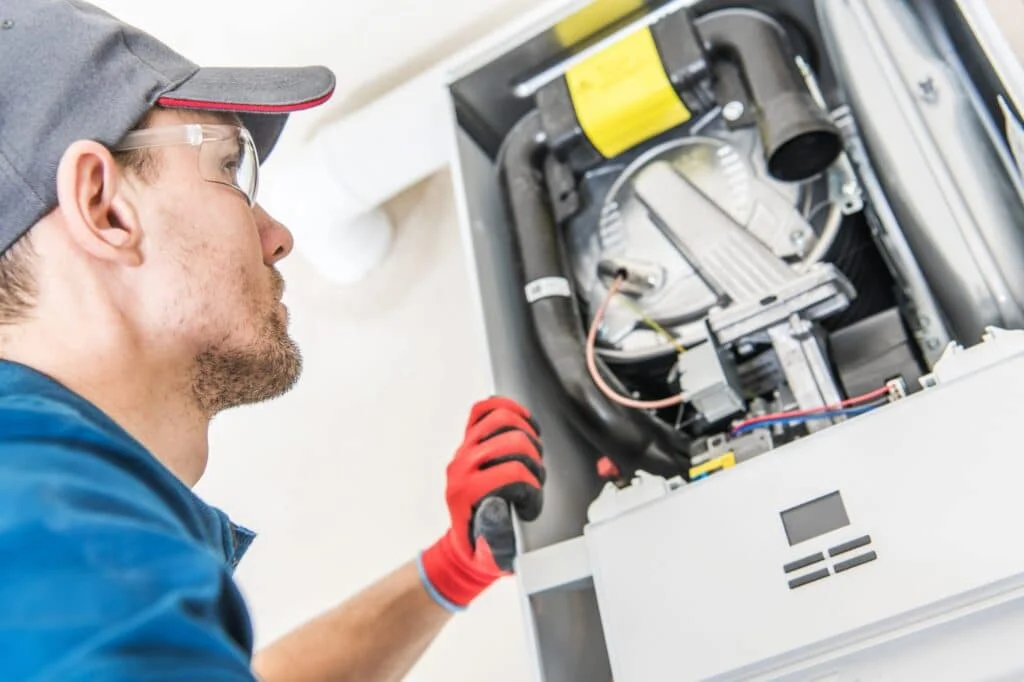
As winter sets in, your furnace stands at the center of your home’s comfort system. Preparing it for the approaching cold months is important both for efficiency and safety. Neglecting a tune-up may only result in break-ups, expensive repairs, or hazardous conditions. Here are the signs that indicate the need for a furnace tune-up in Peoria.
1. Increased Energy Bills without Increased Usage
A significant increase in your energy bill may be the first indication that your furnace is not operating as efficiently as it should. Built-up dust or worn-out parts can cause your system to work harder to produce the same temperature, increasing costs. With a tune-up, inefficiencies will be pinpointed and fixed to return your furnace to optimal performance.
2. Uneven Heating Throughout Your Home
Do some rooms feel unbearably cold, while others are too warm? Such an imbalance might result due to poor airflow, issues with thermostats, or blockage in your ducts. A proper tune-up ensures your technician inspects all components, from your ducts and vents, to allow for consistent and balanced heating.
3. Strange Noises Coming Out of Your Furnace
Sounds from your furnace about banging, rattling, or screeching are never normal. Sounds usually indicate problems such as loose parts, a weak motor, or debris accumulating within the system. Ignoring unusual sounds can lead to more damage or a total failure. A tune-up can catch the source and minimize larger problems.
4. Poor Air Quality in Your Home
A dirty furnace can spread dust, allergens, and other contaminants throughout your home, lowering indoor air quality. If you see more dust on surfaces or experience a worsening of allergy symptoms, it is time for a tune-up. Replacing filters, cleaning parts, and even searching for leaks can enhance air quality and keep your family healthy.
5. Hard Starting or Failure to Maintain Operation
If your furnace won’t start or runs excessively, it is probably burning out due to an ignition system, thermostat, or electrical connections. These are common issues with older furnaces, but most can be addressed by a professional tune-up. Catching these problems early will prevent the shutdowns that seem to happen during winter.
6. Yellow Pilot Light Instead of Blue
A pilot light should be blue. When it’s yellow, it may mean your furnace is creating too much carbon monoxide in the air. This can be dangerous. A tune-up will correct this problem, ensuring your safety and proper functioning of your heating system.
7. Pungent Smells When the Furnace Runs
While a slight burning odor is normal when you turn on the system for the first time during the season, constant or strong odors are not. These could be due to dust buildup, gas leaks, or mechanical issues. A professional tune-up can diagnose and eliminate these problems before they escalate.
8. You Haven’t Serviced Your Furnace in Over a Year
Even if your furnace appears to be operating properly, neglecting annual maintenance following the furnace installation in Peoria can shorten its life and decrease efficiency. Annual tune-ups keep the system clean, guarantee all components are in proper working order, and provide for early detection of potential problems before they become costly repairs.
Avoid a comfortable winter disrupted by a poorly maintained furnace. Early recognition of these signs saves you from costly repairs and guarantees your system is ready for its tasks before the season starts. Professional tuning improves efficiency, enhances safety, and helps extend the life of your furnace.
Are you ready to prepare your furnace for the winter months? Contact Five Star Air for a comprehensive furnace system tune-up! Call us at 623-244-0414 or schedule your appointment online. Don’t wait until it’s too late—ensure your home stays warm and comfortable all winter long.
FAQs
1. How often do I need to tune my furnace?
It should be done once a year, preferably within the fall season, in order to guarantee the proper functioning before the approach of winter.
2. What does a furnace inspection typically include?
A tune-up usually includes cleaning and inspecting components, checking the thermostat, lubricating moving parts, replacing air filters, and ensuring the system is operating efficiently and safely.