Summary
Signia hearing aids are widely known in everyday hearing-care settings for combining digital sound processing with user-friendly design. People often look for Signia because of its association with German hearing-care engineering, rechargeable options, and modern features such as Bluetooth connectivity. This article explains how Signia hearing aids work, what types are available, how pricing is usually structured, and how people typically decide whether a Signia device may suit their hearing and lifestyle needs.
Key Takeaways
- Signia hearing aids are designed for a wide range of hearing needs, from mild to more complex hearing loss
- Prices vary depending on technology level, features, and fitting services rather than just the brand
- Rechargeable and Bluetooth-enabled models are commonly available
- Professional hearing evaluation plays an important role in selecting and adjusting any hearing device
- Comfort, daily listening environments, and communication needs affect which model may feel suitable
Table of Contents
- What Are Signia Hearing Aids?
- How Signia Hearing Aids Work
- Common Types of Signia Hearing Aids
- Understanding Signia Hearing Aid Prices
- What Affects the Cost of a Hearing Aid
- Rechargeable and Bluetooth Hearing Aids
- Sound Processing and Everyday Listening
- Comfort, Fit, and Wearing Styles
- Who Usually Considers Signia Hearing Aids
- How Hearing-Care Professionals Help With Selection
- Caring for a Digital Hearing Aid
- Conclusion
- FAQs
What Are Signia Hearing Aids?
Signia is a hearing-aid brand known for producing digital hearing devices designed to improve access to speech and environmental sounds. In routine hearing-care settings, these devices are used by adults who experience difficulty hearing conversations, television, or everyday sounds. Signia hearing aids come in different sizes and technology levels, allowing hearing-care professionals to match them with varied listening needs.
How Signia Hearing Aids Work
A Signia hearing aid works by using tiny microphones to capture sound, converting it into digital signals, and then processing it to make speech clearer while reducing unwanted background noise. Based on commonly accepted audiology practices, the device is programmed to amplify only the sounds a person struggles to hear, rather than making everything louder. This helps many users feel more comfortable in daily conversations.
Common Types of Signia Hearing Aids
Signia hearing aids are available in several physical styles. Behind-the-ear (BTE) models sit comfortably behind the ear and connect to a small tube or receiver inside the ear. In-the-ear (ITE) and completely-in-canal (CIC) styles are designed to fit inside the ear, making them less visible. Each style offers different trade-offs between power, comfort, and visibility.
Understanding Signia Hearing Aid Prices
People often search for Signia hearing aid price, hearing aid machine price, or hearing aid cost because prices can vary widely. In everyday hearing-care clinics, the price usually depends on the technology level, features such as rechargeability or Bluetooth, and professional services like hearing tests and fitting. For this reason, a price range is more common than a single fixed number.
What Affects the Cost of a Hearing Aid
Several factors influence the price of hearing aids. More advanced digital processing, better noise reduction, rechargeable batteries, and wireless connectivity can increase cost. The professional support included—such as hearing tests, device programming, and follow-up adjustments—also plays an important role. Two people may pay different amounts for similar-looking devices because their hearing needs and service plans differ.
Rechargeable and Bluetooth Hearing Aids
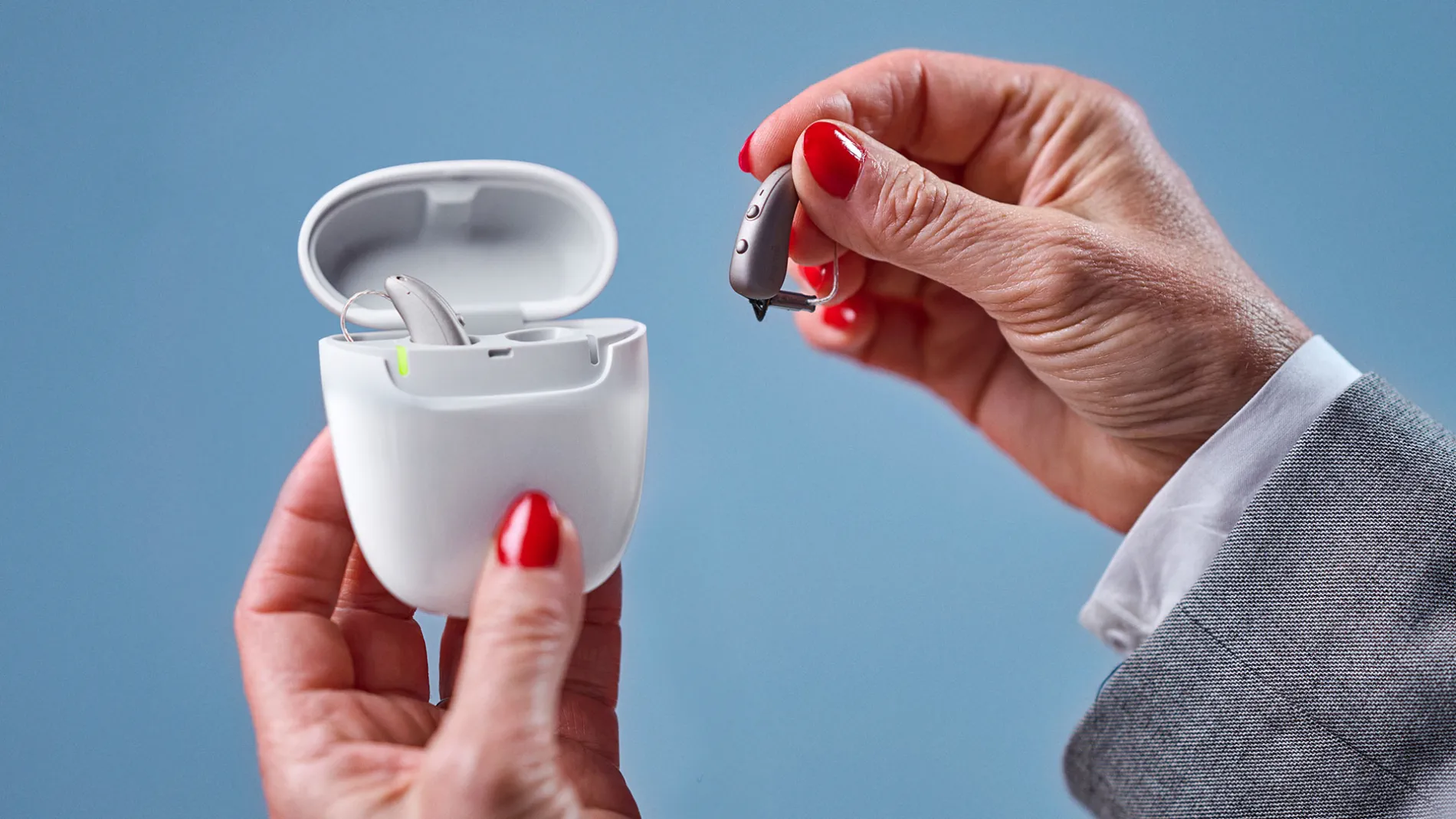
Many Signia hearing aids are available in rechargeable versions, removing the need to change small disposable batteries. Bluetooth-enabled models can connect to smartphones, televisions, and other devices, allowing audio to stream directly into the hearing aids. This feature can be helpful for phone calls, video meetings, or watching television at a comfortable volume.
Sound Processing and Everyday Listening
In routine use, Signia hearing aids adjust sound based on the environment. For example, they may focus more on speech when a person is talking with family or reduce background noise in busy places. While no device can remove all unwanted sound, digital processing helps make listening less tiring and more natural for many users.
Comfort, Fit, and Wearing Styles
Comfort is an important part of using any hearing device. A hearing-care professional usually selects the ear piece or mould based on ear shape and wearing comfort. Some people prefer small, discreet models, while others choose larger ones that are easier to handle. What feels comfortable for one person may not be the same for another.
Who Usually Considers Signia Hearing Aids
Signia hearing aids are commonly explored by adults who notice difficulty following conversations, hearing on the phone, or understanding speech in noisy places. Family members may also look for hearing machines or ear machines for loved ones who struggle with hearing. A professional hearing evaluation helps determine whether a hearing aid may be helpful.
How Hearing-Care Professionals Help With Selection
Hearing-care professionals generally recommend choosing a hearing aid based on hearing test results, daily listening environments, and personal comfort. During a fitting session, the device is adjusted so that sounds feel balanced and clear. Follow-up visits allow fine-tuning, which is a normal part of hearing-aid use.
Caring for a Digital Hearing Aid
Proper care can help hearing aids last longer. This includes keeping them dry, cleaning ear pieces, and charging or replacing batteries as needed. Regular check-ups allow professionals to ensure the device continues to work as intended and fits comfortably.
Conclusion
Signia hearing aids are designed to support people who want clearer access to everyday sounds and conversations. While prices and features vary, understanding how these devices work and what influences their cost can make decision-making easier. For personalised guidance, a qualified hearing-care professional can help match a hearing aid to individual hearing and lifestyle needs.
Disclaimer: This article is for general information only and is not a substitute for professional hearing evaluation or personalised hearing care.
FAQs
1. Are Signia hearing aids suitable for all types of hearing loss?
Signia hearing aids are available in multiple styles and technology levels. Based on commonly accepted audiology practices, different models may be suitable for mild, moderate, or more complex hearing loss. A hearing test helps determine which type of device may be appropriate.
2. Why do Signia hearing aid prices vary so much?
Prices differ because hearing aids are offered with different features, sound-processing levels, and professional services. Rechargeable options, Bluetooth connectivity, and fitting support all affect the final cost.
3. Can Signia hearing aids connect to smartphones?
Many Signia models include Bluetooth, allowing them to connect with compatible smartphones, televisions, and other devices. This lets users hear calls or media directly through their hearing aids.
4. Do I need a hearing test before buying a hearing aid?
In routine hearing-care settings, professionals generally recommend a hearing test before selecting any hearing device. This ensures the hearing aid is programmed to match the user’s specific hearing needs.
5. How long do digital hearing aids usually last?
With proper care and regular servicing, digital hearing aids can last several years. Battery type, usage habits, and maintenance all influence how long a device continues to perform well.
6. Are rechargeable hearing aids better than battery-operated ones?
Rechargeable hearing aids are convenient because they do not require frequent battery changes. However, suitability depends on lifestyle, usage patterns, and personal preference.