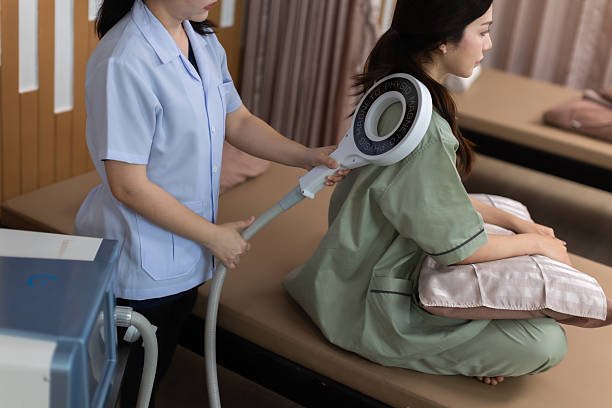
In modern physical therapy and sports medicine, Shockwave Therapy has emerged as a prominent non-invasive alternative to surgery or long-term medication for treating musculoskeletal injuries and chronic pain. This treatment uses acoustic energy to stimulate the body’s natural healing processes, offering relief from tendon and soft tissue conditions that often resist conventional therapies. In this article, we explore how shockwave therapy works, what conditions it treats, its benefits and limitations, and why many patients and clinicians consider it an attractive option.
What Is Shockwave Therapy
Shockwave therapy—also known as extracorporeal shock wave therapy (ESWT)—uses a specialized device to deliver high-energy acoustic waves into soft tissues. These waves penetrate through the skin and reach injured tendons, muscles, or joint areas. Depending on the technology used, the waves can be either focused (targeting deeper structures) or radial (spreading across a broader, more superficial region).
Once delivered, the shockwaves produce mechanical stress and tiny micro-traumas in the targeted tissue. Paradoxically, this controlled stress stimulates a cascade of biological processes: new blood vessel formation (neovascularization), increased blood flow, collagen synthesis, and activation of repair mechanisms by tendon or bone cells. Over time, this helps damaged tissue repair, regenerate, and strengthen.
Mechanisms Behind Its Effectiveness
The therapeutic effects of shockwave therapy stem from several key biological responses:
- Enhanced circulation and oxygenation: By increasing blood flow, injured tissue receives more oxygen and nutrients—vital elements for healing.
- Tissue regeneration and collagen production: Shockwaves stimulate fibroblasts and tendon/bone progenitor cells to produce new collagen and connective tissue, helping restore structural integrity.
- Breakdown of scar tissue and calcium deposits: In chronic tendon or joint injuries, scar tissue or calcifications can limit mobility and cause pain. Shockwaves can help fragment these deposits, facilitating healing and restoring function.
- Pain reduction via neural modulation: The therapy also appears to “desensitize” nerves in the treated area by overstimulating pain receptors—resulting in reduced perception of pain. Some patients report pain relief even before significant tissue regeneration occurs.
Because these effects address the root causes of pain and tissue damage—not just the symptoms—shockwave therapy often yields long-term improvements rather than only temporary relief.
Common Conditions Treated with Shockwave Therapy
Shockwave therapy has broad applications across orthopedics, sports medicine, and physical rehabilitation. Some of the most frequently treated conditions include:
- Plantar Fasciitis (heel pain and chronic foot inflammation)
- Tennis Elbow or Golfer’s Elbow (lateral and medial epicondylitis)
- Achilles Tendinopathy and other tendon-related conditions such as Patellar Tendinopathy or Jumper’s Knee
- Chronic shoulder, hip, or knee tendon and soft-tissue pathologies
- Cases of delayed bone healing, non-union fractures, and bone-related disorders in some protocols
Because shockwave therapy stimulates both soft-tissue repair and bone healing, it is valuable for a wide spectrum of musculoskeletal issues.
Key Benefits: Why Patients and Therapists Choose It
One of the most attractive aspects of shockwave therapy is that it is non-invasive. There are no incisions, no anesthesia, and minimal recovery time—patients can often resume light activity shortly after a session.
Because treatment is outpatient-based and typically requires no downtime, it offers a convenient alternative to surgery or prolonged rest.
Additionally, shockwave therapy is considered cost-effective compared to surgical interventions or long-term medication regimes. It reduces reliance on painkillers, shortens recovery periods, and helps restore mobility, making it appealing for athletes, active individuals, and those with chronic conditions.
Finally, this therapy often achieves long-term healing rather than temporary pain masking. Through tissue regeneration and structural repair, many patients experience lasting relief and improved function over time.
What Happens During a Treatment Session
A typical shockwave therapy session is relatively quick—lasting around 10 to 20 minutes. After the clinician applies a coupling gel to the skin, a hand-held applicator delivers pulses of acoustic energy to the damaged area. The intensity can be adjusted based on patient tolerance and treatment goals.
Because the waves are mechanical rather than thermal, there is no incisional damage—meaning it is fundamentally different from surgical methods. Many patients feel only mild discomfort during the procedure; some describe a tingling or pressure-like sensation. Afterward, soreness or mild swelling may occur but usually subsides within a few hours or days.
Typically, a course of 3–5 sessions spaced a few days apart is recommended, though this can vary by condition severity and response to treatment.
Considerations and Potential Risks
While shockwave therapy is generally safe and well-tolerated, it is not suitable for everyone. Contraindications include active infections, cancerous lesions, blood clotting disorders, treatment near the lungs or reproductive organs, and pregnancy—especially when high-energy focused shockwaves are used.
Common side effects may include mild bruising, redness, temporary discomfort, numbness or tingling, and transient swelling—most of which resolve quickly.
Because shockwave therapy relies on precise energy delivery, it’s important that it be administered by a trained, licensed clinician using appropriate, certified equipment. Incorrect usage may reduce effectiveness or increase risk of tissue irritation.
Who Might Benefit Most from Shockwave Therapy
Shockwave therapy is especially valuable for individuals who:
- Have chronic tendon or soft–tissue injuries that have not responded to conventional therapies like rest, medication, or standard physical therapy.
- Are looking for non-surgical, less risky alternatives to invasive procedures.
- Wish to minimize downtime and return to work or activity quickly.
- Need a treatment that promotes natural healing instead of symptom suppression.
- Are motivated to rehabilitate but want to avoid the risks and costs associated with surgery.
Athletes, active workers, and anyone dealing with chronic pain or recurring issues often find it particularly useful.
Conclusion: Shockwave Therapy as a Modern Healing Modality
In a medical landscape often dominated by surgical fixes and long-term medications, shockwave therapy offers a compelling alternative. By harnessing the body’s own capacity to heal—stimulating tissue regeneration, improving blood flow, and reducing pain—this therapy provides a non-invasive, efficient, and often long-lasting solution to many musculoskeletal conditions.
For individuals suffering from chronic tendonitis, plantar fasciitis, tendon injuries, or slow-healing bone and soft-tissue damage, shockwave therapy may represent a turning point. As clinical evidence and technology continue to advance, shockwave therapy stands to remain a powerful tool in the hands of qualified practitioners—helping patients get back on their feet faster, with less discomfort and a better outlook for long-term recovery.