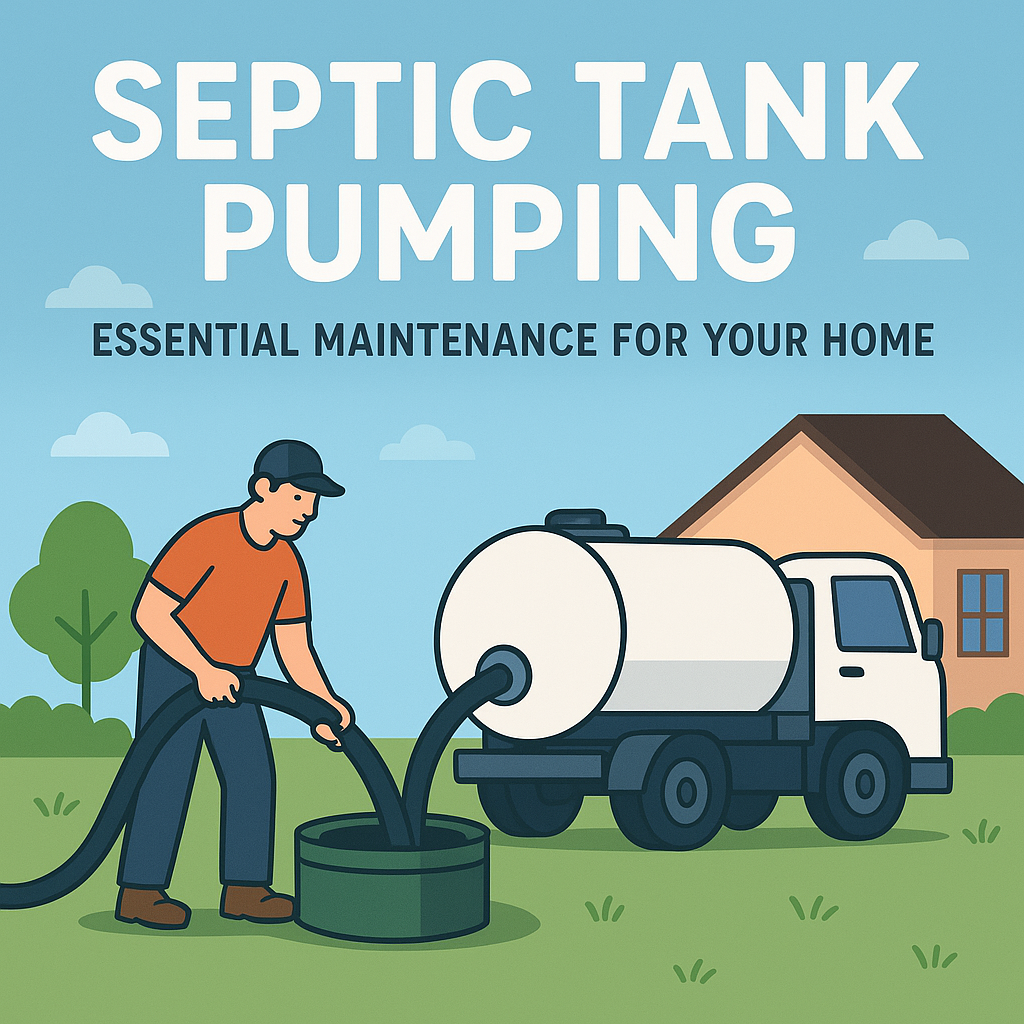
Understanding the Importance of Septic Tank Pumping
Septic tank pumping is a vital part of maintaining your home’s plumbing system, especially if you rely on a septic system. Without regular pumping, solids can build up, causing backups, clogs, and even costly repairs.
How Septic Systems Work
The Basic Function of a Septic Tank
A septic tank collects all wastewater from your home. Inside, solids settle to the bottom (sludge), while lighter materials float to the top (scum). The middle liquid layer (effluent) exits to a drain field, where it is filtered by the soil.
Why Solids Must Be Removed
Over time, the sludge and scum layers increase. If they are not pumped out, they can overflow into the drain field, leading to system failure.
Why Septic Tank Pumping Is Crucial
Preventing Backups and Health Hazards
Regular septic tank pumping prevents sewage from backing up into your home or yard. Raw sewage is not only unpleasant but also dangerous to your health.
Avoiding Expensive Repairs
Neglecting your septic system can lead to clogs, leaks, or full system failure, which can cost thousands of dollars to repair or replace.
Keeping up with septic tank maintenance is easy when you work with a reliable local expert. Relief Services offers professional septic tank pumping and septic installation service.
Protecting the Environment
A well-maintained septic system filters wastewater naturally. But when neglected, it can leak pollutants into groundwater, harming nearby streams, lakes, or wells.
How Often Should You Pump Your Septic Tank?
General Guidelines
Most septic systems need to be pumped every 3 to 5 years. However, this can vary depending on tank size, number of people in the household, and daily water usage.
Factors That Influence Pumping Frequency
- Household Size: More people = more wastewater.
- Tank Size: Smaller tanks fill faster.
- Garbage Disposal Use: Adds more solids.
- Laundry Habits: Frequent loads increase water flow.
Signs Your Septic Tank Needs Pumping
Slow Drains Throughout the House
If all your sinks, tubs, and toilets are draining slowly, it’s a sign your tank may be full.
Foul Odors Inside or Outside
Unpleasant smells near drains or around the septic tank area indicate that the system is overdue for a pump.
Pooling Water in Your Yard
Puddles or soggy areas around the drain field suggest the tank is too full to function properly.
Gurgling Sounds in Pipes
Bubbling or gurgling noises from your plumbing system can be a warning sign of a full tank.
Sewage Backup
This is the most serious sign—if you see or smell sewage inside your home, call a septic service immediately.
What Happens During a Septic Tank Pumping?
Step 1: Inspection
A licensed technician will locate the septic tank, open it, and inspect the condition of its contents and structure.
Step 2: Pumping the Tank
Using a vacuum truck, the technician removes the sludge, scum, and liquid waste from the tank.
Step 3: Rinsing and Cleaning
The tank is then rinsed to remove any leftover waste. This step ensures no residue remains that could quickly lead to another backup.
Step 4: Final Assessment
The technician may check for signs of damage, such as cracks or root intrusion, and recommend any necessary repairs.
Tips for Maintaining Your Septic System Between Pumpings
Be Water-Wise
Fix leaks promptly, use water-efficient fixtures, and space out laundry loads to avoid overloading the system.
Don’t Use the Toilet as a Trash Can
Only flush toilet paper and human waste. Avoid flushing wipes, feminine products, cat litter, or diapers.
Avoid Harsh Chemicals
Bleach and strong cleaners can kill the beneficial bacteria in your septic tank, reducing its efficiency.
Keep the Drain Field Clear
Do not drive, park, or plant trees over the drain field. The weight can damage pipes, and roots can clog the system.
Schedule Annual Inspections
Even if you don’t need a pump yet, a yearly inspection helps catch minor issues before they become major problems.
Choosing a Professional Septic Tank Pumping Service
Look for Licensed and Insured Providers
Choose companies with the proper credentials to ensure the job is done safely and legally.
Read Reviews and Ask for Referrals
Positive reviews and word-of-mouth recommendations are strong indicators of quality service.
Get Transparent Pricing
Avoid hidden fees by asking for a clear estimate before work begins.
Local Expertise Matters
A company familiar with your region’s soil and environmental conditions will provide better service and advice.
Conclusion: Protect Your Home with Regular Septic Pumping
Septic tank pumping might not be glamorous, but it’s one of the most important tasks for a homeowner relying on a septic system. From preventing costly repairs to protecting your family’s health and the environment, regular pumping delivers peace of mind and long-term savings. Schedule your septic tank inspection and pumping today to keep your system running smoothly.