Search engines no longer rely on simple keyword matching and basic backlinks. Today’s algorithms evaluate search intent, user experience signals, technical performance, and semantic relationships simultaneously. When digital marketers treat technical SEO, content strategy, and data analytics as isolated silos, organic performance inevitably stalls.
Unifying these disciplines creates an integrated ecosystem where data informs content creation, technical health supports user engagement, and content performance feeds back into architectural decisions. This centralized intersection represents the SEO nexus—the strategic convergence point required to maintain competitive advantage in modern search engine results pages.
Pinpointing Performance Gaps Through Unified Analytics
Google Search Query data alone will not show you why traffic drops on specific pages. When you combine search query metrics with server logs and user behavior data, you spot hidden visibility gaps fast. Technical crawlers might render a page with zero errors, yet real users bounce in seconds due to layout shifts. Merging these data streams reveals the exact disconnect between what bots index and what people experience.
Integrating Core Web Vitals with Content Delivery Networks
Fast content delivery requires robust technical integration to serve pages globally without delay. Google’s page experience documentation sets clear thresholds for Largest Contentful Paint, Interaction to Next Paint, and Cumulative Layout Shift. Edge servers and content delivery networks cache static assets close to the user to hit these performance targets. Without edge caching, your site struggles to meet speed requirements on mobile devices.
Mapping Semantic Entity Relationships Across Site Architecture
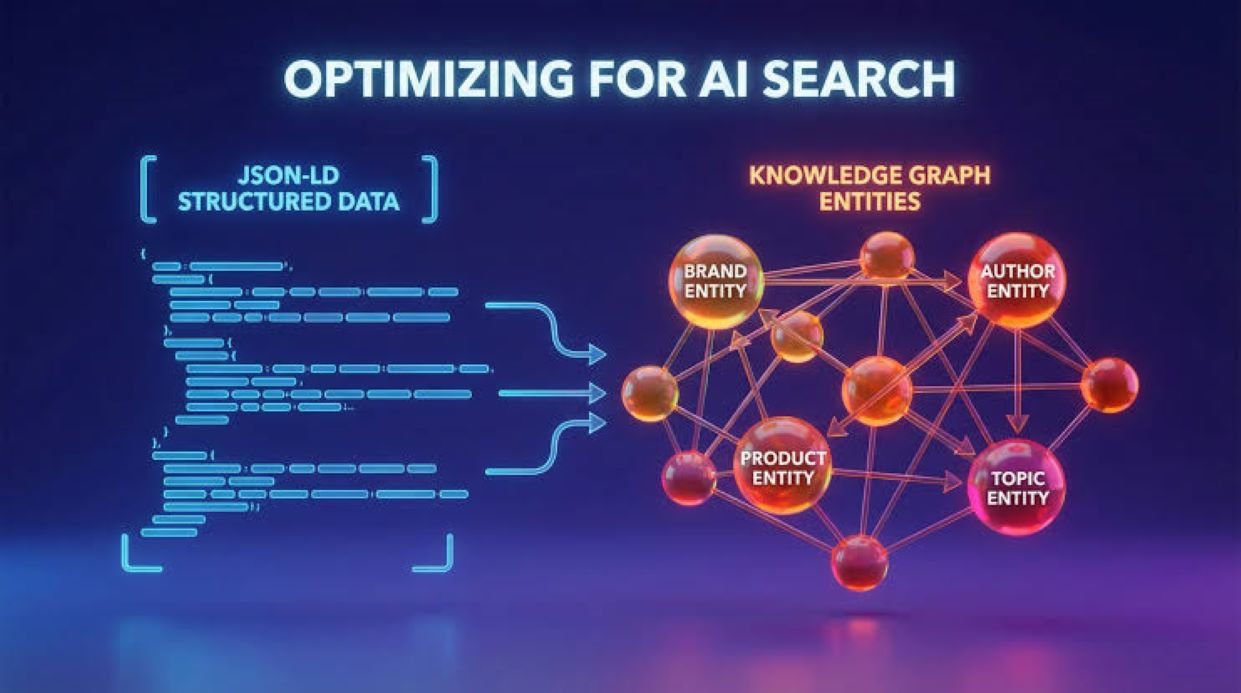
Search engines now view topics as connected webs of entities instead of isolated keyword targets. Your internal links must reflect these topical authority models so bots understand how pages relate to each other. When you map semantic relationships clearly, you help search engines grasp your core subject matter. This structure satisfies user intent by guiding readers through related subtopics smoothly.
Designing Topic Clusters for Maximum Topical Authority
Pillar pages and cluster content form the backbone of a strong site structure. You build a main pillar page for broad industry terms and support it with specific cluster articles. Search engines easily parse this clear information hierarchy and reward your domain with higher ranks. This setup also keeps visitors on your site longer as they click through related guides.
Translating First-Party Search Data into Editorial Calendars
Internal site search logs, CRM records, and customer support tickets hold valuable keyword data. Mining these sources shows you exact phrases your audience uses when they want to buy. Enterprise SEO teams prioritize these topics based on conversion potential rather than raw search volume alone. Building an editorial calendar around real customer questions drives qualified traffic straight to your product pages.
Structuring Content for Zero-Click Results and Featured Snippets
Answer boxes and AI search features demand precise formatting to win top visibility. You can capture these spots by using semantic HTML tags like clean tables and definition lists. Clear heading hierarchies help search engines pull your text directly into summary blocks. When you format answers cleanly, you increase your chances of appearing above organic search results.
Managing JavaScript Rendering for Search Engine Crawlers
Client-side rendering often leaves search bots waiting for scripts to execute before indexation happens. Server-side rendering solves this delay by delivering fully formed HTML directly to the crawler. Large JavaScript-heavy web applications often rely on dynamic rendering or pre-rendering solutions to ensure bots see the exact same content human users view. Fixing these rendering bottlenecks prevents important pages from getting ignored by search engines.
Optimizing Log Files to Uncover Crawl Budget Waste
Web server logs show you how search bots spend their time on your site. Analyzing these files reveals low-value pages that drain your crawl budget while real content gets ignored. You can prune dead pages, block unnecessary parameter URLs, and redirect bot attention to your most profitable content. Regular log analysis keeps search engines focused on high-priority pages.
Establishing Programmatic Internal Linking Frameworks
Adding internal links manually across thousands of pages wastes time and creates gaps in your architecture. Programmatic frameworks automate contextual links by matching topical tags across your database. You must balance this automation with user experience so the links add real value to the reader. Smart internal linking spreads PageRank evenly and helps users discover deeper site content.
Moving Beyond Last-Touch Organic Traffic Reporting
Standard analytics platforms often credit only the final click before a conversion happens. This last-touch model hides the true value of organic search visits earlier in the customer journey. Multi-touch attribution tracks how SEO assists conversions over weeks of research and browsing. Shifting to this broader view proves the real financial impact of your organic search program.
Correlating Rank Fluctuations with Algorithmic Volatility Indicators
Sudden rank drops often trigger panic, but they do not always stem from manual actions or technical errors. Third-party tracking tools and internal log monitors help you spot broader core algorithm updates across the web. Comparing your site data against industry volatility markers tells you if a traffic dip is site-specific or widespread. This clarity stops you from making panic-driven changes to a healthy codebase.
Building Executive-Ready SEO Dashboards in Looker Studio
Executives care about revenue, growth, and market share more than raw keyword rankings. Your Looker Studio dashboards should highlight non-brand impressions, assisted conversions, and indexation rates. Grouping these metrics into clear visual charts makes cross-departmental reporting simple and effective. A strong dashboard proves how organic search drives overall business goals.
Adapting Content Strategies for Generative Engine Optimization
Conversational search engines and AI summaries change how people discover information online. You must structure your content to answer direct questions clearly so brand citations appear inside synthesized search answers. SEO for Generative AI Search: Google’s Guidelines in 2026 explains that standard optimization rules still apply when building authority for AI-driven results. Focusing on clear facts and direct answers keeps your brand visible in modern search features.
Scaling Quality Control Through Automated SEO Audits
Continuous integration pipelines catch technical errors before new code goes live on your production site. You can automate checks for broken links, missing schema markup, and incorrect canonical tags during every deployment. Catching these bugs early protects your search visibility from sudden drops. Automated audits keep your technical foundation strong as your site grows.
Maintaining E-E-A-T Standards in an Automated Content Landscape
Scaling content production often leads to thin writing that lacks genuine expertise and human insight. You must preserve strict editorial oversight and highlight verifiable author credentials on every published piece. Authentic brand experience and expert quotes build trust with both readers and search engines. High E-E-A-T standards protect your site from quality updates that penalize low-effort content.
Conclusion
Achieving long-term organic search success requires abandoning fragmented tactics in favor of a cohesive operational model. When technical infrastructure, content creation, and analytical insights operate in sync within the SEO nexus, brands build resilient digital properties capable of withstanding continuous algorithmic change. Prioritize cross-departmental collaboration, maintain rigorous technical standards, and anchor every optimization in genuine user intent to secure durable search visibility.