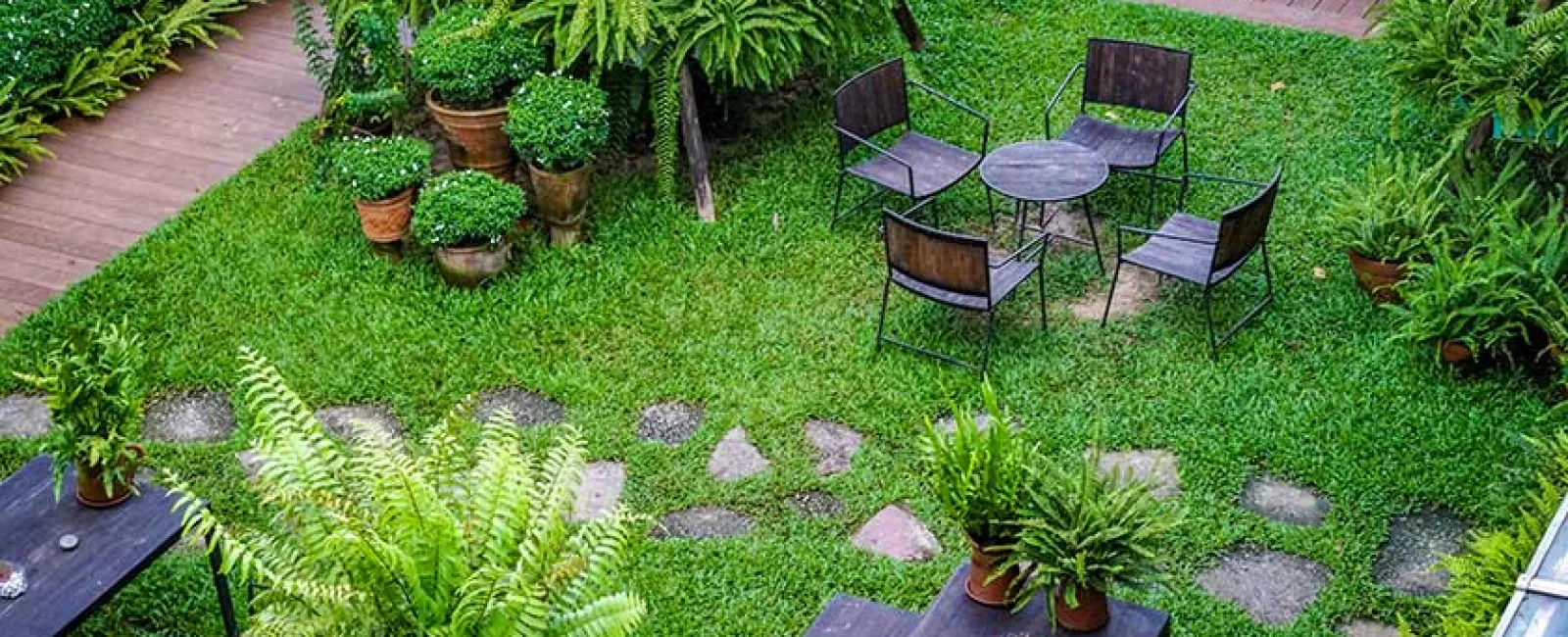
When embarking on the journey to install artificial turf, the first step is to gain a comprehensive understanding of your specific needs and preferences. This involves a thorough assessment of how you intend to use the space. For instance, if the area is designated for recreational activities, such as children’s play or sports, you may require a turf variety that can withstand heavy foot traffic and provide adequate cushioning.
Conversely, if the turf is meant for aesthetic purposes, such as enhancing the visual appeal of a garden or landscape, you might prioritize options that mimic the look and feel of natural grass. Additionally, personal preferences play a significant role in the selection process. Some individuals may prefer a lush, vibrant green appearance, while others might opt for a more subdued, natural look that blends seamlessly with existing landscaping.
The texture of the turf is another critical factor; some people favor a softer feel underfoot, while others may prioritize durability over comfort. By clearly defining your needs and preferences, you can narrow down your options and make informed decisions that align with your vision for the space.
Considering Maintenance and Upkeep
Regular Upkeep
Regular maintenance typically involves brushing the fibers to keep them upright, removing debris such as leaves and twigs, and occasionally rinsing the surface to eliminate dust and dirt.
Type-Specific Maintenance
Depending on the type of turf installed, you may also need to check for infill material displacement and replenish it as necessary to maintain optimal performance. Understanding the specific maintenance needs of your chosen turf variety can help you avoid potential pitfalls.
Special Considerations
For example, some turf varieties in Queensland may require specialized cleaning products or techniques to prevent discoloration or damage. Additionally, if you have pets, you will need to consider how their waste will be managed on the turf surface. Familiarizing yourself with these maintenance aspects will ensure that your investment remains in excellent condition over time.
Climate and Environmental Considerations
The climate in which you live plays a crucial role in determining the suitability of artificial turf for your property. In regions with extreme temperatures—whether hot or cold—certain types of turf may perform better than others. For instance, in areas with high temperatures, it is essential to select turf that is UV-resistant to prevent fading and degradation from sun exposure.
Additionally, some turfs are designed with heat-reflective properties that can help keep the surface cooler during scorching summer months. Environmental considerations also extend to water usage and sustainability. Artificial turf can significantly reduce water consumption compared to traditional grass lawns, making it an eco-friendly choice in drought-prone areas.
However, it is vital to consider the materials used in manufacturing the turf and their environmental impact. Opting for products made from recycled materials or those that are fully recyclable at the end of their lifespan can contribute to a more sustainable choice. By evaluating both climate and environmental factors, you can select a turf option that aligns with your ecological values while meeting your practical needs.
Durability and Longevity
Durability is one of the most significant advantages of artificial turf over natural grass. High-quality synthetic grass is engineered to withstand various weather conditions, heavy foot traffic, and even pet activity without losing its integrity or aesthetic appeal. When assessing durability, it is essential to consider factors such as fiber composition, tuft density, and backing material.
For example, polyethylene fibers are known for their softness and resilience, making them ideal for residential applications where comfort is a priority. Longevity is another critical aspect to consider when investing in artificial turf. Most high-quality products come with warranties ranging from 8 to 15 years, depending on the manufacturer and specific product line.
However, proper installation and maintenance can significantly extend the lifespan of your turf beyond its warranty period. Regular inspections for wear and tear, timely repairs, and adherence to maintenance guidelines can help ensure that your investment remains functional and visually appealing for many years. Understanding these factors will empower you to make an informed decision about which turf variety best meets your durability expectations.
Budget and Cost Considerations
Budgeting for artificial turf installation involves more than just the initial purchase price; it requires a comprehensive understanding of all associated costs such as ongoing garden maintenance. The price of artificial turf can vary widely based on factors such as quality, brand, and type of installation required. On average, homeowners can expect to pay between $5 to $20 per square foot for materials alone.
However, this figure does not include additional expenses such as site preparation, labor costs for installation, and any necessary infill materials. It is also essential to consider long-term cost savings when evaluating your budget. While the upfront investment in artificial turf may be higher than that of natural grass, the reduced maintenance costs—such as mowing, watering, and fertilizing—can lead to significant savings over time.
Additionally, many homeowners find that artificial turf increases property value due to its aesthetic appeal and low upkeep requirements. By taking a holistic approach to budgeting that considers both initial costs and long-term savings, you can make a more informed decision about your investment in artificial turf.
Choosing the Right Turf Variety
Selecting the right variety of artificial turf is crucial for ensuring that it meets your specific needs and preferences. There are several types of synthetic grass available on the market today, each designed for different applications. For instance, if you are looking for a surface suitable for sports activities like soccer or football, you may want to consider turfs with shorter pile heights and denser fibers that provide better traction and stability during play.
For residential applications where aesthetics are paramount, options like landscape grass or pet-friendly turf may be more appropriate. Landscape grass typically features longer fibers that mimic the appearance of natural grass while providing a soft surface for walking or lounging. Pet-friendly turfs often incorporate drainage systems to facilitate easy cleanup of pet waste while maintaining hygiene standards.
By understanding the various types of turf available and their intended uses, you can make an informed choice that aligns with your specific requirements.
Installation and Professional Assistance
The installation process for artificial turf can be complex and labor-intensive, making professional assistance a valuable consideration for many homeowners. While some individuals may choose to undertake a DIY installation to save costs, hiring experienced professionals can ensure that the job is done correctly and efficiently. Proper installation involves several critical steps, including site preparation, leveling the ground, laying down a weed barrier, securing seams, and infilling with materials like sand or rubber granules.
Professional installers bring expertise that can help avoid common pitfalls associated with DIY projects. They are familiar with local regulations regarding drainage and landscaping practices and can provide insights into selecting the best materials for your specific environment. Additionally, many installation companies offer warranties on their work, providing peace of mind that any issues arising from improper installation will be addressed promptly.
Weighing the pros and cons of DIY versus professional installation will help you determine the best approach for your project.
Evaluating Warranty and Customer Support
When investing in artificial turf, evaluating warranty options and customer support services is essential for ensuring long-term satisfaction with your purchase. Most reputable manufacturers offer warranties that cover defects in materials or workmanship for a specified period—typically ranging from 8 to 15 years. It is crucial to read the fine print of these warranties carefully; some may have specific conditions or exclusions that could affect coverage.
In addition to warranty considerations, customer support plays a vital role in your overall experience with artificial turf products. A manufacturer or supplier with responsive customer service can provide valuable assistance throughout the purchasing process and beyond. Whether you have questions about maintenance practices or need guidance on addressing issues that arise after installation, having access to knowledgeable support staff can enhance your experience significantly.
By thoroughly evaluating warranty terms and customer support options before making a purchase decision, you can ensure that you are making a sound investment in artificial turf that meets your needs over time.