Sports injuries are a prevalent concern among athletes of all levels, from amateurs to professionals. These injuries can occur due to various factors, including improper technique, inadequate warm-up, overtraining, or even environmental conditions. The nature of sports often involves repetitive motions, high-impact activities, and sudden changes in direction, all of which can lead to acute injuries such as sprains, strains, fractures, and dislocations.
Chronic injuries, on the other hand, develop over time due to repetitive stress on specific body parts, often manifesting as tendonitis or stress fractures. Understanding the mechanics behind these injuries is crucial for both prevention and effective treatment. The classification of sports injuries can be broadly divided into two categories: acute and chronic.
Acute injuries are typically characterized by a sudden onset of pain and are often the result of a specific incident, such as a fall or collision. For instance, a basketball player may suffer an ankle sprain when landing awkwardly after a jump. Chronic injuries develop gradually and are often linked to repetitive stress or overuse.
A common example is tennis elbow, which arises from the repetitive motion of swinging a racket. Recognizing the signs and symptoms of these injuries is essential for athletes to seek timely medical attention and avoid further complications.
The Role of Physiotherapy in Rehabilitation
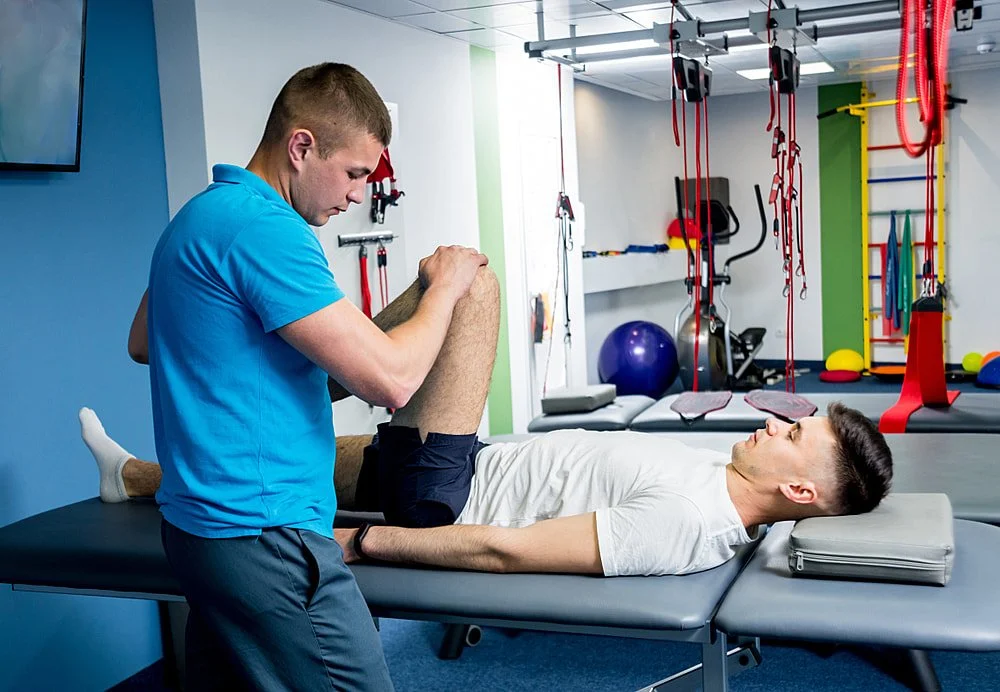
Physiotherapy plays a pivotal role in the rehabilitation process following a sports injury. Physiotherapists are trained professionals who specialize in assessing and treating musculoskeletal injuries through various techniques aimed at restoring function and mobility. They employ a combination of manual therapy, exercise prescription, and education to facilitate recovery.
The initial phase of rehabilitation often focuses on pain management and reducing inflammation through modalities such as ice therapy, ultrasound, or electrical stimulation. This phase is critical in setting the foundation for subsequent rehabilitation efforts. As the healing process progresses, physiotherapists design individualized exercise programs tailored to the athlete’s specific needs and goals.
These programs may include strength training, flexibility exercises, and functional movements that mimic the demands of the sport. For example, a soccer player recovering from a knee injury may engage in exercises that enhance quadriceps strength and improve balance to prepare for the dynamic movements required during gameplay. Furthermore, NDIS approved physiotherapists educate athletes on proper biomechanics and techniques to prevent re-injury, ensuring that they return to their sport not only healed but also equipped with the knowledge to minimize future risks.
Common Sports Injuries and Their Treatment
Among the myriad of sports injuries, some are more prevalent than others. Sprains and strains are among the most common, often affecting ligaments and muscles respectively. A sprain occurs when ligaments—the tough bands connecting bones at a joint—are stretched or torn.
An ankle sprain is particularly common in sports like basketball and soccer. Treatment typically involves the R.
Another frequently encountered injury is tendonitis, which is characterized by inflammation of a tendon due to overuse. Athletes involved in repetitive motions, such as runners or swimmers, are particularly susceptible to conditions like Achilles tendonitis or rotator cuff tendonitis. Treatment often includes rest and modification of activities to reduce strain on the affected tendon.
Physiotherapy plays a crucial role in this context as well; therapists may utilize techniques such as eccentric strengthening exercises to promote healing and prevent recurrence.
The Importance of Early Intervention
Early intervention is critical in managing sports injuries effectively. When an injury occurs, immediate attention can significantly influence the recovery trajectory. Delaying treatment can lead to complications such as chronic pain or prolonged disability.
For instance, an athlete who ignores the initial signs of a sprained ankle may inadvertently exacerbate the injury by continuing to participate in their sport without proper physical fitness care. This can lead to more severe damage that requires extensive rehabilitation or even surgical intervention. Moreover, early intervention allows for a more accurate diagnosis and tailored treatment plan.
Healthcare professionals can assess the injury’s severity through physical examinations and imaging studies like X-rays or MRIs. This comprehensive approach ensures that athletes receive appropriate care from the outset, which can expedite recovery times and facilitate a safer return to sport. Additionally, early intervention often includes education on injury prevention strategies that athletes can implement immediately to safeguard against future occurrences.
Rehabilitation Exercises and Techniques
Rehabilitation exercises are integral to the recovery process following a sports injury. These exercises are designed not only to restore strength and flexibility but also to enhance functional performance specific to the athlete’s sport. A well-structured rehabilitation program typically progresses through several phases: from initial mobility exercises aimed at regaining range of motion to more advanced strength training and sport-specific drills.
For example, after an ACL (anterior cruciate ligament) reconstruction surgery, an athlete may begin with gentle range-of-motion exercises such as heel slides or quadriceps sets within days post-surgery. As healing progresses, they may transition to closed-chain exercises like squats or leg presses that engage multiple muscle groups while minimizing stress on the knee joint. Ultimately, the rehabilitation program will incorporate sport-specific drills that mimic the movements required during competition—such as cutting drills for soccer players or plyometric exercises for basketball players—to ensure that athletes are fully prepared for their return to play.
Preventing Future Injuries
Preventing future injuries is a paramount concern for athletes and coaches alike. A proactive approach involves understanding risk factors associated with specific sports and implementing strategies to mitigate them. This can include proper warm-up routines that enhance flexibility and prepare muscles for activity, as well as strength training programs designed to address muscular imbalances that may predispose athletes to injury.
Education plays a vital role in injury prevention as well. Athletes should be informed about proper techniques for their respective sports—such as correct landing mechanics in gymnastics or appropriate running form in track—to reduce undue stress on their bodies. Additionally, incorporating cross-training into an athlete’s regimen can help develop overall fitness while reducing repetitive strain on specific muscle groups.
For instance, a runner might benefit from swimming or cycling to maintain cardiovascular fitness without placing excessive stress on their joints.
The Psychological Impact of Sports Injuries
The psychological impact of sports injuries is often overlooked but can be profound. Athletes may experience a range of emotions following an injury, including frustration, anxiety, and depression. The sudden disruption of their training routine and competition schedule can lead to feelings of isolation and loss of identity, particularly for those who define themselves primarily through their athletic achievements.
Moreover, the fear of re-injury can create significant mental barriers during rehabilitation. Athletes may struggle with confidence in their physical abilities or hesitate to return to their sport due to concerns about their performance post-injury. Addressing these psychological aspects is crucial for a successful recovery; mental health professionals or sports psychologists can provide valuable support through counseling techniques that help athletes cope with their emotions and develop mental resilience.
The Role of Nutrition in Recovery
Nutrition plays an essential role in the recovery process following a sports injury. A well-balanced diet rich in essential nutrients supports healing by providing the body with the necessary building blocks for tissue repair and regeneration. Protein is particularly important for muscle recovery; athletes should aim to consume adequate amounts from sources such as lean meats, fish, dairy products, legumes, and nuts.
In addition to protein intake, vitamins and minerals also play critical roles in recovery. For instance, vitamin C is vital for collagen synthesis—a key component in repairing connective tissues—while vitamin D supports bone health and immune function. Omega-3 fatty acids found in fish oil have anti-inflammatory properties that can aid in reducing swelling associated with injuries.
Hydration is equally important; maintaining proper fluid balance helps optimize physiological functions during recovery. In conclusion, understanding sports injuries encompasses various aspects from their nature and treatment to rehabilitation strategies and psychological impacts. Physiotherapy serves as a cornerstone in recovery efforts while nutrition plays a supportive role in healing processes.
By addressing these multifaceted elements holistically, athletes can enhance their recovery experience and work towards preventing future injuries effectively.