A small decision can rewrite the shape of a sudden moment. Take a short course, and you might be the calm voice, the steady pair of hands, the person who keeps someone breathing until help arrives. For people in the UK weighing whether to sign up for a first aid course, the choice is practical and quietly profound. You will find that the benefits spill into work, home and community life. This article gives you the practical reasons and the less obvious payoffs so you can weigh what matters to you.
Why First Aid Training Matters
First aid training matters because incidents often unfold faster than emergency services can arrive. You will notice that a calm, informed response reduces harm and speeds recovery. Think of a crowded street where someone collapses. If you step forward equipped with the right skills you will change the outcome for that person and for everyone watching.
Practical skills are one part of the picture. Awareness and judgement are another. A course teaches you to assess risk without panic and to act with intention. That combination means you will make better choices in the moment and stay safer afterwards. The result is confidence that is visible and contagious.
Taking the time to specialise in an area like paediatric first aid is also another great way to safeguard your community. Children are the top priority when it comes to keeping things calm and avoiding tears.
Key Personal Benefits Of Taking A First Aid Course
Taking a first aid course gives you clear personal returns. You will gain abilities, a steadier mind and a better sense of what to do when things go wrong. Below are the most immediate benefits you will notice.
Workplace Benefits Of First Aid Certification
Employers value employees who can respond in a crisis. For you, certification might improve job prospects and create leadership chances. Many sectors in the UK expect staff to hold up to date first aid knowledge. You will find that being certified could make you the obvious candidate for roles that require responsibility for others.
On a practical level your workplace will be safer when people understand accident prevention and immediate care. You will help reduce downtime after incidents and can limit the severity of injuries. That has a direct impact on productivity and on team morale. Colleagues feel reassured when there is a competent person nearby.
Beyond safety the skillset builds transferable abilities. You will sharpen communication, decision making and the capacity to remain composed under pressure. Employers recognise these attributes and often reward them with additional responsibilities or training opportunities.
Community And Public Health Advantages
A population with more first aid trained people is more resilient. When you hold skills your community gains an extra layer of readiness. You will be part of an informal network of responders who can bridge the gap before professional help arrives.
Public health benefits emerge too. Quick intervention reduces complications and hospital stays, reducing strain on individuals and also the larger community. For instance early CPR and defibrillation increase survival rates after cardiac arrest significantly. You will have a hand in saving NHS resources and in helping neighbours recover faster.
Communities with active training programmes often show stronger social cohesion as each is eager to help the other whenever first aid issues come up. You will find that shared skills lead to mutual support, neighbourly checks and better preparedness for events that affect many people at once.
How To Choose The Right First Aid Course
Picking the correct course means matching content, duration and certification to your needs. Ask yourself where you will use the skills and how in demand they will be. Family care, workplace responsibilities or community volunteering each suggest different course options.
Check that the provider is recognised by reputable UK bodies such as the Resuscitation Council UK or the Health and Safety Executive when relevant. You will want instructors with recent practical experience and clear assessments so you can be confident in your competence.
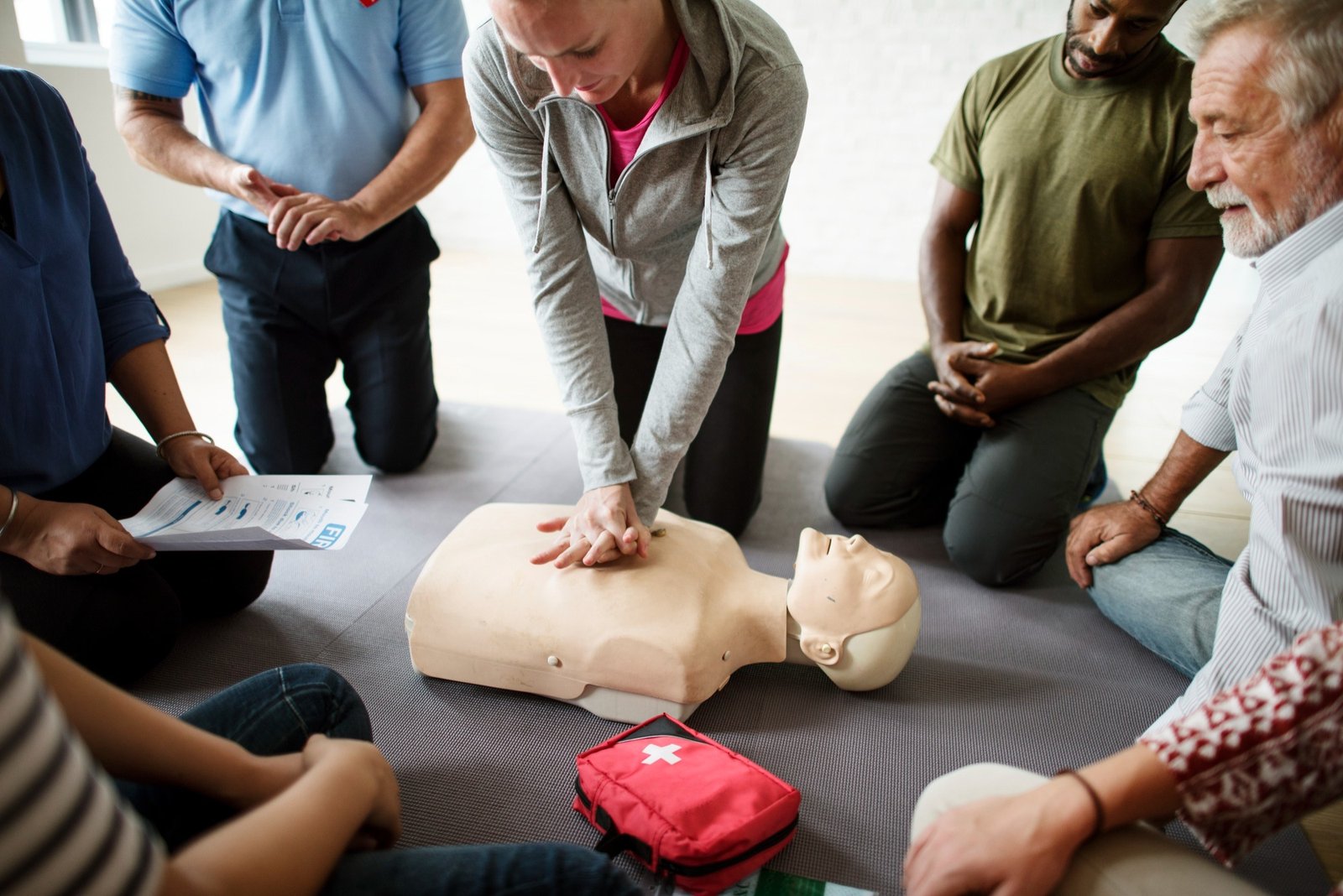
Consider format too. Classroom sessions with practical practice work well for psychomotor skills. Some blended courses offer online theory with in person practice. You will find that a balance between guided practice and realistic scenarios gives the best retention. Finally look at course length and recertification details. Short taster sessions are useful but they will not replace a full certificate if you need recognised credentials.
Learning does not stop when the course ends. Skills fade quickly without practice. You will need to refresh your knowledge with rehearsed physical techniques so your responses remain automatic, and you can continue to be a great value to your workplace or community. You never know when first aid is going to be required!
In Closing
A first aid course delivers immediate, practical skills and quieter benefits that unfold over time. You will gain confidence, usefulness and a stronger connection to those around you. Whether you join for family safety, workplace expectations or to help your community, the returns are both tangible and human.
If you are deciding what to do next think about where you spend time and who you would help. Choose a course that matches that context and commit to regular refreshers. With a modest investment of time you will carry a skill that matters. Often you will find that single decision becomes the difference between panic and purposeful action.