Key Takeaways
- Consistent maintenance and inspection help catch early signs of degradation.
- Protective coatings and correct environmental practices prevent premature wear.
- Optimized design and advanced manufacturing play vital roles in longevity.
- Educating personnel and sustainable production processes contribute to extended service life.
Table of Contents
- Regular Maintenance and Inspection
- Protective Coatings and Treatments
- Environmental Considerations
- Proper Handling and Storage
- Design Optimization
- Utilizing Advanced Manufacturing Techniques
- Implementing Sustainable Practices
- Training and Education
Regular Maintenance and Inspection
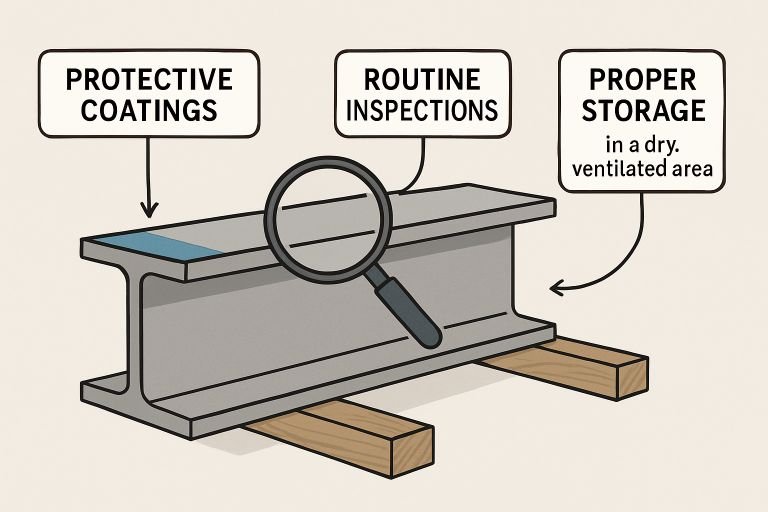
To extend the lifespan of fabricated metal products, establishing a proactive maintenance schedule is essential. Regular inspections can catch subtle indicators of damage, such as minor corrosion, fatigue cracks, or loose fasteners, before they turn into significant failures. Incorporating thorough checklists into your routine helps ensure nothing is overlooked, from visible surface defects to changes in alignment or vibration patterns. For businesses involved in North Carolina metal fabrication, adhering to these maintenance practices is particularly important to protect high-value components and maintain compliance with regional standards. Businesses operating in areas known for high humidity or volatile weather benefit especially from routine preventive care.
Documenting each inspection and maintenance task facilitates trend analysis, making it easier to identify recurring issues associated with specific uses or environments. This actionable data enables facilities to optimize both their workflow and repair schedules, resulting in reduced downtime and improved performance of their metal products.
Protective Coatings and Treatments
Surface treatments are the frontline defense against environmental hazards that threaten fabricated metal. Protective options such as powder coating, hot-dip galvanizing, or specialty paints form durable barriers that resist moisture, chemicals, and abrasion. For outdoor applications or in corrosive environments, the zinc layer provided by galvanization significantly inhibits the onset of rust, preserving both the strength and appearance of steelworks.
Routine reapplication of these coatings, dictated by the type and frequency of exposure, is just as crucial as their initial application. Advances in polymer science have led to even more effective coating solutions that offer longer-term protection while reducing environmental impact.
Environmental Considerations
Protecting fabricated metal from excessive moisture, rapid temperature swings, or harsh chemicals is crucial. Storage and operation in climate-controlled environments, where feasible, can dramatically delay the onset of corrosion or fatigue. Sealing concrete floors in storage areas or employing dehumidifiers are strategic ways to minimize moisture exposure, preserving the integrity of metals over time.
Limiting exposure to contaminants, such as industrial emissions or salt spray in coastal areas, further helps safeguard metal assets.
For highly specialized needs, exploring material solutions available via custom fabrication outfits can yield tailored results that maximize product lifespan, especially in challenging settings.
Proper Handling and Storage
The methods used to move and store metal products have a significant impact on their long-term durability. Employing padded clamps, non-abrasive straps, and proper racking minimizes the risk of scratches, dents, and deformation. Storage areas should be well-ventilated and kept out of direct contact with ground moisture. Materials should be spaced to allow for airflow and easy inspection access. When feasible, vertical storage of plates, bars, or panels reduces the surface area exposed to accidental impacts or pooling water, further protecting the product.
Design Optimization
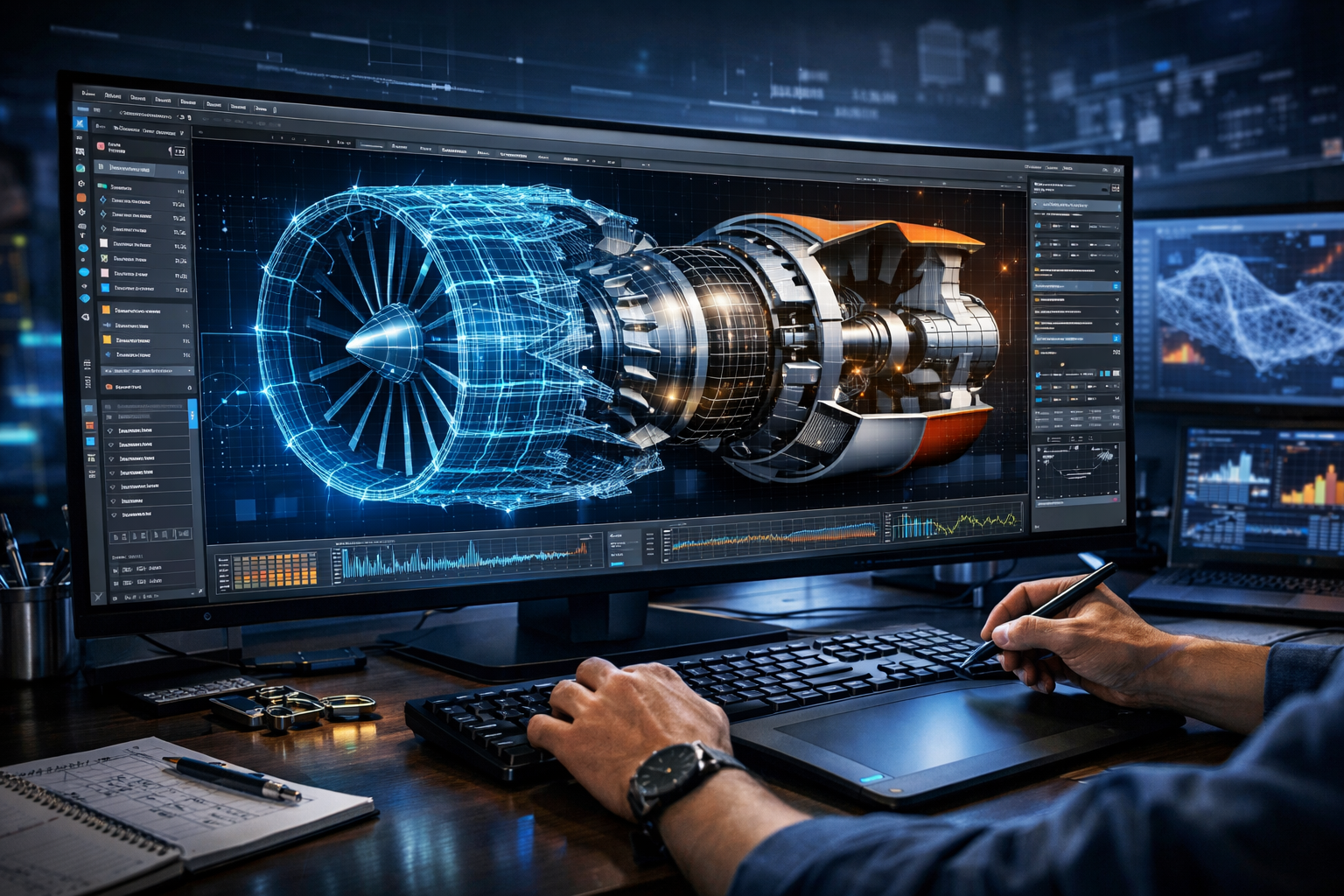
The engineering phase is pivotal for maximizing service life. Using finite element analysis (FEA) and computer-aided design (CAD), designers can minimize stress concentrations by specifying features such as rounded corners, fillets, and reinforcement where needed. Products with balanced load paths and uniform material thicknesses exhibit superior fatigue resistance and require less frequent repair or adjustment.
Integrating feedback from real-world use cases into the design process helps engineers anticipate wear points and adapt accordingly.
Utilizing Advanced Manufacturing Techniques
The increasing adoption of precision manufacturing technologies, such as laser cutting, CNC machining, and additive manufacturing, enables the production of metal components with tighter tolerances and more complex geometries. These advancements often result in reduced material waste and increased product consistency, with optimized strength-to-weight ratios tailored to the specific stresses that products will encounter in use.
Structural Control and Customization
New manufacturing systems enable rapid prototyping and facilitate swift adjustments in fabrication, thereby addressing potential points of failure before products reach the customer. This results in components that are both durable and uniquely suited to individual applications, regardless of whether the requirement is for large-scale or small-batch production.
Implementing Sustainable Practices
Environmentally conscious manufacturing doesn’t just reduce carbon footprint—it often results in better-quality metal goods. Using recycled feedstock, adopting energy-efficient machinery, and minimizing waste during production increase the reliability and resilience of finished products. For example, electric arc furnaces consume less energy than traditional blast furnaces and yield more homogenous steel, which translates to greater durability and extended end-use.
Training and Education
Even the most robust metal products are vulnerable to mishandling or improper use. Investment in thorough training, from basic safety to the intricacies of new fabrication technologies, empowers teams to protect assets and operate them at peak efficiency. Documented procedures and regular refresher training reduce preventable incidents of damage or premature wear, instilling a culture of quality that encompasses both production and maintenance.
Final Thoughts
By embracing regular maintenance, protective treatments, environmental awareness, and state-of-the-art fabrication techniques, organizations can significantly extend the service life of their fabricated metal products. Education, sustainability, and ongoing product optimization are equally essential in ensuring operational efficiency and reducing total lifecycle costs. For businesses seeking to maximize value, these strategies represent key opportunities for both immediate improvements and long-term gains.