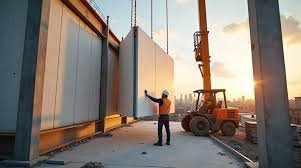
Prefabricated wall panels revolutionize construction timelines by reducing on-site build time by up to 50% while maintaining precision tolerances of ±1/8 inch. The global prefabricated wall panel market reaches $2.97 billion by 2033, driven by developers seeking faster project completion and reduced labor costs of 30-50% through controlled factory assembly processes.
The Hidden Cost Crisis in Traditional Wall Construction
Traditional stick framing consumes excessive labor hours and materials while creating unpredictable project schedules. Construction crews spend weeks assembling wall components piece by piece, exposing materials to weather damage and creating waste that fills multiple dumpsters. This outdated construction process forces contractors to manage larger crews, coordinate multiple trades simultaneously, and absorb delays from weather interruptions.
Prefabricated wall panels eliminate these systemic inefficiencies through precision manufacturing in controlled environments. Factory production reduces material waste by up to 90% compared to site-built construction methods. The prefab approach transforms unpredictable construction schedules into precise timelines where wall assembly happens in days rather than weeks. RedBuilt delivers complete wall panel systems nationwide, including structural framing, sheathing, and integrated components ready for immediate installation.
How Prefab Wall Panel Systems Accelerate Project Delivery
Modern prefabrication technology enables faster construction through parallel processing where wall panels are manufactured while site preparation occurs simultaneously. This manufacturing approach eliminates weather delays that plague traditional framing methods. Each prefabricated wall arrives on-site as a complete assembly, reducing the construction timeline dramatically.
The efficiency gains extend beyond simple time savings. Prefab wall systems require smaller installation crews who can assemble entire structural shells in fraction of the time needed for conventional wood framing. General contractors report that prefabricated wall panels allow them to dry-in buildings weeks ahead of traditional schedules, protecting interior work from weather exposure. This accelerated timeline translates directly into earlier project completion and reduced financing costs.
Structural Advantages of Factory-Built Wall Components
Engineered wall panels deliver superior structural performance through precise manufacturing processes impossible to replicate on job sites. Computer-controlled equipment ensures each component meets exact specifications, creating walls with consistent load-bearing capacity throughout the structure. This precision extends to every element from the structural system to the building envelope integration.
Cold-formed steel and engineered wood options provide flexible solutions for different project requirements. The controlled factory environment allows for optimal material utilization, reducing waste while maintaining structural integrity. Engineers can design custom wall configurations knowing that prefabrication will deliver exact dimensions and consistent quality. These structural advantages become particularly valuable in multi-story apartment buildings where load paths require precise alignment.
What Makes Prefabricated Wall Design More Precise?
Digital design tools enable engineers to create wall panel layouts with millimeter accuracy before production begins. This 3D modeling process identifies potential conflicts before manufacturing starts, eliminating costly field modifications. Each wall component integrates perfectly with adjacent panels, creating tight building envelopes that improve energy efficiency.
The precision of prefab wall design extends to customization options that accommodate unique architectural features. Manufacturers can incorporate window and door openings, electrical rough-ins, and insulation within the factory-controlled process. This level of detail ensures that every panel arrives ready for installation without requiring on-site modifications. The design flexibility allows architects to specify complex wall geometries while maintaining cost-effective production.
Breaking Down the Real Cost Savings of Panel Construction
Labor represents the largest variable cost in traditional construction, but prefabricated wall panels reduce crew requirements by 30-50%. Smaller teams can install complete wall systems efficiently, reducing overall project labor hours significantly. The controlled manufacturing environment eliminates material waste that typically accounts for 10-15% of traditional construction budgets.
Beyond direct cost savings, prefab construction reduces indirect expenses through faster project completion. Earlier building occupancy generates revenue months ahead of conventional schedules. Weather delays that can add weeks to traditional framing disappear when wall panels arrive as finished assemblies. Contractors experience fewer change orders and rework requests because factory quality control catches issues before delivery to the job site.
Interior and Exterior Wall Integration Strategies
Prefabricated wall systems seamlessly integrate interior and exterior components within a single manufactured assembly. Exterior walls arrive with weather barriers, insulation, and sheathing already installed, while interior walls include rough electrical and plumbing pathways. This integrated approach eliminates coordination challenges between trades.
The manufacturing process allows for sophisticated building envelope solutions including rainscreen systems and high-performance insulation configurations. Contractors can specify complete exterior wall assemblies with cladding attachment points and moisture management systems built into the panel construction. Interior finishes like drywall or plaster substrates attach directly to precisely aligned framing members, speeding finish work considerably.
Manufacturing Quality Control vs On-Site Assembly Variables
Factory production environments maintain consistent temperature and humidity levels that optimize material performance and assembly quality. Quality control inspections occur at multiple stages during manufacturing, catching defects before panels leave the facility. This systematic approach contrasts sharply with job site conditions where weather, varying skill levels, and rushed schedules compromise quality.
Prefabrication facilities employ specialized equipment and trained technicians who focus exclusively on wall panel production. This specialization delivers consistent results across every project, regardless of size or complexity. The controlled environment also enables better safety outcomes, with factory workers experiencing fewer injuries than traditional framing crews working at heights in variable weather conditions.
How Does Modular Wall Construction Reduce Project Risk?
Prefabricated wall panels shift construction risk from unpredictable field conditions to controlled factory settings. Project managers gain certainty through fixed pricing and guaranteed delivery schedules that eliminate common sources of delay. The modular approach allows for precise scheduling where each trade knows exactly when their work begins.
Risk reduction extends to quality assurance where every wall panel meets predetermined specifications before leaving the manufacturing facility. This consistency eliminates callbacks and warranty issues that plague traditional construction. Structural engineers can specify exact load requirements knowing that prefab manufacturing will deliver components that meet or exceed design criteria. The result is a construction process with fewer variables and more predictable outcomes.
Green Building Benefits Through Prefab Wall Technology
Sustainable construction practices align naturally with prefabricated wall panel systems through dramatic waste reduction and optimized material usage. Factory production reduces construction waste by up to 90% compared to traditional methods, diverting materials from landfills while lowering project environmental impact. The precision manufacturing process maximizes lumber yield from each piece of wood, using advanced cutting patterns impossible to achieve on construction sites.
Green building certification becomes more achievable when prefab walls deliver consistent thermal performance and airtight construction. The controlled manufacturing environment ensures proper insulation installation and continuous air barriers that improve building energy efficiency. Precast concrete options provide thermal mass benefits while steel framing offers recyclability advantages. These environmental benefits, combined with reduced transportation trips to job sites, make prefabricated wall systems essential for sustainable development.
Nationwide Implementation of Prefab Wall Solutions
RedBuilt delivers prefabricated wall panels across diverse climate zones and building types, demonstrating the versatility of modern prefab technology. From coastal regions requiring hurricane-resistant assemblies to northern climates demanding superior insulation values, customized wall solutions meet specific regional requirements. This nationwide reach proves that prefabrication works effectively regardless of local construction traditions or environmental challenges.
The scalability of prefab wall manufacturing supports projects ranging from single custom homes to large apartment complexes. Decades of experience in structural system design enables RedBuilt to optimize wall panel configurations for maximum efficiency while maintaining flexibility for architectural expression. Transportation logistics and installation coordination ensure that prefabricated walls arrive precisely when needed, keeping projects on schedule regardless of location. This proven delivery model transforms how developers approach multi-site projects, enabling simultaneous construction starts with consistent quality standards nationwide.