PPD is one of the prevalent mental health issues that affects new mothers following the birth of the child. It may cause uncontrollable sadness, anxiety, and exhaustion, and it may seem impossible to live every day and cope with parenting tasks. As a woman in Hopkinsville, resources and methods to address postpartum depression are essential in sustaining an emotionally and physically healthy family.
This article explores effective coping strategies for managing postpartum depression Hopkinsville, helping mothers regain balance, improve mental health, and foster positive connections with their families.
Understanding Postpartum Depression
Postpartum depression is more than the baby blues. Although it is common to have mood swings and emotional sensitivity within the initial weeks following the birth of a child, postpartum depression is a condition in which the symptoms tend to be persistent and interfere with normal functioning. Common signs include:
- Constant depression or annoyance.
- The lack of interest or enjoyment in activities
- Fatigue or low energy
- Problem in connecting with the baby
- Appetite or sleeping problems
- Sense of guilt or insignificance
It is important to identify these signs in the initial stages. Developing an understanding of the nature of postpartum depression helps mothers and families make proactive steps in the course of recovery.
Importance of Seeking Support
Support is one of the best methods of coping with postpartum depression. Seeking help is a sign of power as opposed to weakness. Various sources may provide the support:
- Family and Friends: Sharing with those people who are close will lessen the isolation and bring insight.
- Support Groups: When mothers share their experiences with fellow mothers who have suffered postpartum depression, they get motivation and tips.
- Professional Support: Therapists, counsellors, and medical professionals also provide professional assistance, coping mechanisms, and treatment options based on person-specific needs.
Among mothers in Hopkinsville, timely and effective access to local resources is a guarantee of effective postpartum depression support.
Coping Through Therapy
Treatment is an essential part of postpartum depression treatment. The methods are effective, taking into account the severity of the symptoms and personal preference:
- Cognitive Behavioral Therapy (CBT): Assists mothers in detecting unhealthy ways of thinking and substitutes them with more beneficial thinking.
- Interpersonal Therapy (IPT): This is aimed at enhancing relationships and sources of social support that are usually affected during postpartum depression.
- Group Therapy: Provides peer support, support and practical coping skills through shared experiences, validation and coping skills that work with peers who have experienced the difficulties of motherhood.
Therapy not only helps to manage the symptoms, but it also provides the mothers with the means to deal with stress and emotional scenarios.
Developing a Routine and Structure
Establishing a regular daily routine will stabilize the mood and mitigate the sense of disarrangement. Simple strategies include:
- Creating a routine sleep schedule for mother and child.
- Managing food and fluid intakes to keep the body active.
- Arranging short self-care or relaxation.
- Breaking down the larger tasks into daily, small ones to give a feeling of achievement.
Stability is required in the process of dealing with postpartum depression, and consistency and structure give this.
Meditation and Stress Relief
Mindfulness meditations have the potential to lead to a major enhancement in emotional regulation and a decrease in anxiety levels related to postpartum depression. Techniques include:
- Meditation: Minimal daily practices promote relaxation and living in the present.
- Deep Breathing Exercises: Assist you in dealing with stress and physical tension.
- Journaling: This practice helps the mother to work through feelings and monitor progress in a secure and private location.
Mindfulness as a daily practice facilitates emotional stability and self-awareness.
Physical Activity and Nutrition
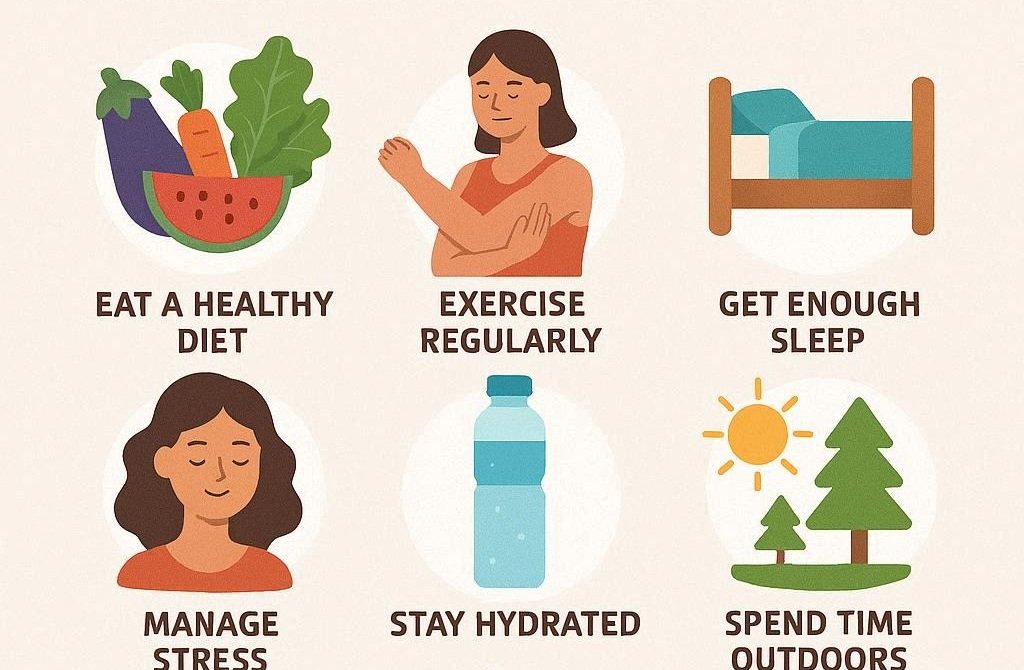
Mental health is closely related to physical health. Postnatal yoga or low-intensity exercise like walking can enhance mood and energy. Proper nutrition, such as balanced meals with vitamins and minerals, helps to ensure physical healing as well as well-being of an emotional state.
Minor and consistent movement and nutrition can help a lot to cope with the depression that follows the birth of a child.
Developing a Powerful Support System
Loneliness tends to increase postpartum depression Hopkinsville. Establishing a positive circle of friends, relatives, and health workers provides mothers with someone to turn to when they are in need. Open communication with partners, relatives, or trusted friends can significantly reduce loneliness and feelings of guilt.
Moreover, the ability to relate with the local resources in Hopkinsville (parenting groups or mental health organizations) offers emotional assistance and practical advice.
Sleep and Rest Management
New mothers usually experience sleep deprivation that aggravates postpartum depression. Mechanisms of enhancing rest are:
- Splitting night work with a partner or a family member.
- Napping when the baby sleeps
- Producing a peaceful, cozy sleeping space.
- Restricting screen time and engaging in things prior to sleeping.
Rest is one of the most important priorities for mental health recovery and general functioning.
Self-Compassion and Realistic Expectations
Most mothers have inadequacy or guilt when dealing with postpartum depression. Self-compassion will enable the mothers to understand that recovery is a journey, and it is natural to seek assistance. Having realistic expectations about the tasks and parenting that should be done on a daily basis helps in setting the pressure aside. It makes it possible to take a balanced attitude towards self-care.
Indications of Medical Intervention
Although coping measures work, some mothers may need to be medically treated. Postpartum depression of moderate or severe severity may be treated with antidepressant drugs or alternative measures. The consultation with the healthcare provider guarantees the safety and proper treatment that meets the needs of an individual.
Prevention and Long-term Management
Postpartum depression may recur in subsequent pregnancies or during stress. Coping mechanisms acquired during the therapy process, keeping in touch with support systems, and self-care reinforcement will prevent relapse and promote sustainability in mental health.
Frequent visits to healthcare providers make sure that the treatment is supported and changed when needed.
Final Thoughts
Treatment of postpartum depression takes time, patience and care. With the help of therapy, mindfulness, routine, physical activity, and effective social support, mothers will be able to restore emotional balance and improve relations with their families.
For mothers seeking compassionate and effective guidance for postpartum depression, Hopkinsville, Kentucky Wellness Center provides personalized care and resources to support recovery, resilience, and overall well-being.