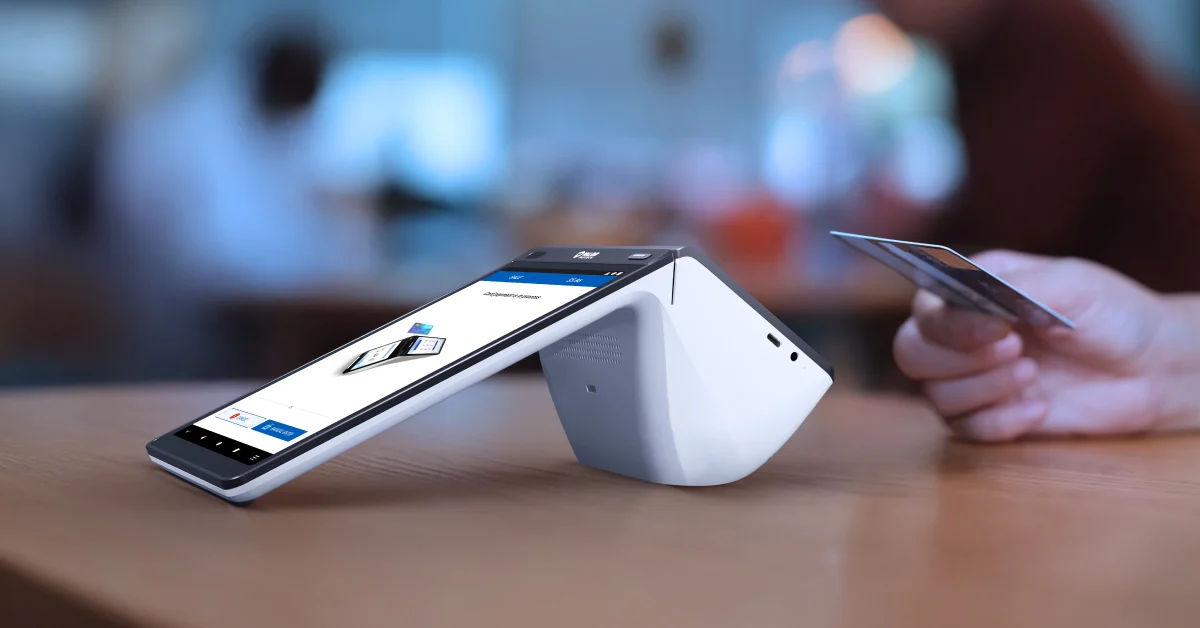
A POS terminal is an essential tool for businesses that want to streamline their payment processes and enhance customer experiences. By combining hardware and software, a POS terminal enables merchants to process payments quickly, securely, and accurately, whether in retail stores, restaurants, or service-based businesses.
What Is a POS Terminal?
A POS terminal, or point-of-sale terminal, is an electronic device that allows businesses to accept payments from customers. It acts as a bridge between the merchant, the customer, and the financial institutions involved in processing the payment. POS terminals can handle various payment methods, including credit and debit cards, mobile wallets, and contactless payments, making transactions faster and more secure.
Types of POS Terminals
Businesses can choose from several types of POS terminals based on their operational needs:
Countertop POS Terminals
These are fixed devices typically used at checkout counters. They offer reliable connectivity and are suitable for businesses with a dedicated point of sale.
Mobile POS Terminals
Mobile pos terminal connect to smartphones or tablets via Bluetooth or Wi-Fi, allowing businesses to accept payments anywhere, including tableside in restaurants or during deliveries.
Wireless and Portable POS Terminals
Portable devices offer flexibility for businesses that need to move around, such as pop-up shops, events, or outdoor markets.
Integrated POS Terminals
These combine payment processing with inventory management, reporting, and customer management features, providing a comprehensive solution for larger businesses.
Key Features of a POS Terminal
When selecting a POS terminal, consider the following features:
- Multiple Payment Methods: Accepts cards, contactless payments, and mobile wallets.
- Security: EMV chip compatibility and PCI compliance protect transactions.
- Connectivity: Options include wired, Wi-Fi, Bluetooth, or 4G networks for flexibility.
- User-Friendly Interface: Simple operation for staff to reduce errors and speed up checkout.
- Reporting and Analytics: Provides detailed transaction data to inform business decisions.
Benefits of Using a POS Terminal
Implementing a POS terminal provides several advantages:
- Faster Transactions: Reduces checkout time and enhances the customer experience.
- Accurate Accounting: Minimizes errors and simplifies financial record-keeping.
- Versatility: Supports multiple payment options, catering to different customer preferences.
- Operational Efficiency: Streamlines sales tracking, inventory management, and reporting.
- Security: Ensures secure transactions with advanced encryption and compliance standards.
Trends in POS Terminals in 2026
The POS terminal industry is evolving with technology to meet the demands of modern businesses:
- Contactless Payments: Adoption of NFC and mobile wallet technology is increasing.
- Cloud-Based Systems: Real-time reporting, remote management, and software updates.
- AI Integration: Provides insights into customer behavior, sales trends, and operational efficiency.
- Omnichannel Integration: Seamless connection with online stores, delivery platforms, and retail operations.
FAQs
1. Can POS terminals accept mobile wallet payments?
Yes, most modern POS terminals support Apple Pay, Google Pay, and other mobile wallet solutions.
2. Are POS terminals suitable for small businesses?
Absolutely. POS terminals are scalable and can cater to both small shops and large enterprises.
3. Can POS terminals integrate with other business systems?
Yes, many POS terminals can integrate with inventory management software, e-commerce platforms, and CRM systems for comprehensive business management.
Conclusion
A POS terminal is a vital tool for modern businesses seeking efficiency, security, and versatility in payment processing. With support for multiple payment methods, secure transactions, and advanced reporting features, POS terminals enhance customer experience and streamline business operations. Investing in a reliable POS terminal ensures smooth, accurate, and professional handling of transactions, enabling businesses to stay competitive in today’s fast-paced market.