The backyard grill has come a long way from a freestanding gas burner shoved against a fence. In 2026, outdoor kitchens have become one of the most invested corners of the home, both in terms of money and intention. Homeowners are no longer treating the outside as a seasonal afterthought. They are designing full-function cooking and entertaining spaces that extend the livable footprint of the house, operate year-round, and reflect the same level of care as the interior.
What is driving this shift? A combination of post-pandemic outdoor living habits that stuck around, rising home improvement budgets, and a genuine appetite for hosting that does not require disappearing into a kitchen for half the evening. The outdoor kitchen of 2026 is built around one idea: the cook stays in the conversation.
The outdoor kitchen becomes a room, not an appliance
The single most defining shift in outdoor kitchen design right now is the move away from isolated grilling stations toward fully integrated outdoor living spaces. A standalone grill surrounded by a patio table used to be enough. In 2026, that reads as unfinished.
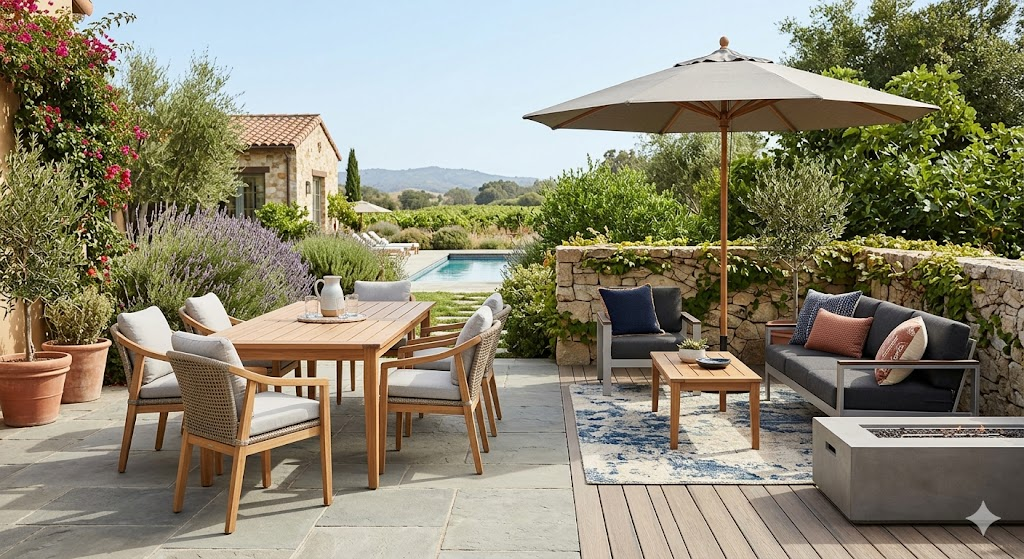
The new standard combines the cooking zone with a dining area, bar seating, lounge furniture, fire features, and often a covered structure like a pergola or shade sail. The goal is to create a space where multiple things happen at once: someone grills, someone mixes drinks at the bar, guests sit under the structure and talk. The layout separates these functions clearly so no one is crowded around the heat, but the flow keeps everyone connected.
Designers and homeowners alike are thinking about the outdoor kitchen the same way they think about an open-plan interior: functional zones that work independently but feel like one coherent space. That shift in thinking changes everything from how the island is positioned to where the lighting goes.
Materials: from stainless steel to weathering steel and reclaimed surfaces
The materials conversation in outdoor kitchens has moved well beyond the standard stainless steel and concrete pairing. Both are still here, and both still work. But 2026 has brought a broader palette into the mainstream, and the choices people are making say a lot about how they want their outdoor space to feel.
Weathering steel, also known as Corten steel, is having a significant moment. Originally adopted in European architecture for its durability in harsh climates, it has crossed into residential outdoor kitchens as a material that combines industrial strength with a rich, evolving patina. A Corten steel grill or island does not need to be painted, sealed, or refinished. It weathers into its own finish over time and develops a look that genuinely cannot be replicated by anything else. For homeowners who want their outdoor kitchen to feel like a permanent architectural element rather than a seasonal product, weathering steel delivers exactly that.
Reclaimed wood, recycled concrete, and natural stone are also gaining ground as countertop and cladding materials. The common thread is texture and longevity. People are choosing materials that age well and carry character, not materials that look pristine for one summer and begin showing wear the next. Sustainable sourcing has moved from a nice-to-have to a genuine purchasing criterion for a growing segment of outdoor kitchen buyers.
Matte black, deep green, and earthy tones replace the all-neutral palette
For years, the safe answer for outdoor kitchen color was neutral. Beige stone, grey concrete, brushed stainless. These choices photograph well and do not date quickly, which is why they dominated. But 2026 is seeing a notable shift toward bolder, more intentional color choices in outdoor kitchen cabinetry and finishes.
Matte black is the clearest example of this. It works because it reads as sophisticated without being loud, pairs cleanly with virtually any countertop material, and holds up visually in outdoor environments where bright sun and surrounding greenery can wash out lighter colors. Deep forest greens and rich navy blues are also appearing more frequently, often paired with natural wood accents or stone surfaces to prevent the palette from feeling too heavy.
The key shift is that color is now being used with purpose rather than avoided out of caution. Homeowners are treating the outdoor kitchen cabinetry the way they would treat an interior kitchen island: as a design statement, not just a functional container.
Modular systems for flexibility and phased investment
Not every homeowner wants to commit to a permanent built-in structure on day one. And the outdoor kitchen market in 2026 has adapted to that reality with a growing range of modular systems that allow buyers to start with a core setup and expand over time.
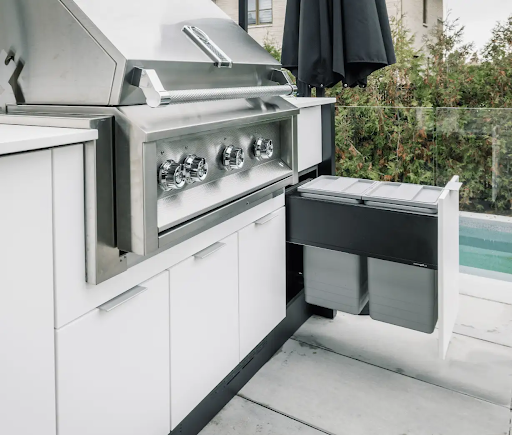
A modular outdoor kitchen typically starts with a grill module and a prep station, then grows to include a refrigerator unit, a side burner, a bar section, or storage cabinets as the budget and the appetite for outdoor cooking both expand. The components are designed to connect cleanly, use consistent materials, and look intentional rather than assembled piece by piece.
This approach has democratized serious outdoor cooking setups. A homeowner who cannot justify a full built-in outdoor kitchen at once can start with two modules, use the space for a season, understand how they actually cook outdoors, and then invest in additions that reflect real needs rather than aspirational ones. The phased approach also reduces the risk of building something that does not fit the way the space actually gets used.
Indoor-outdoor continuity: the design principle that ties everything together
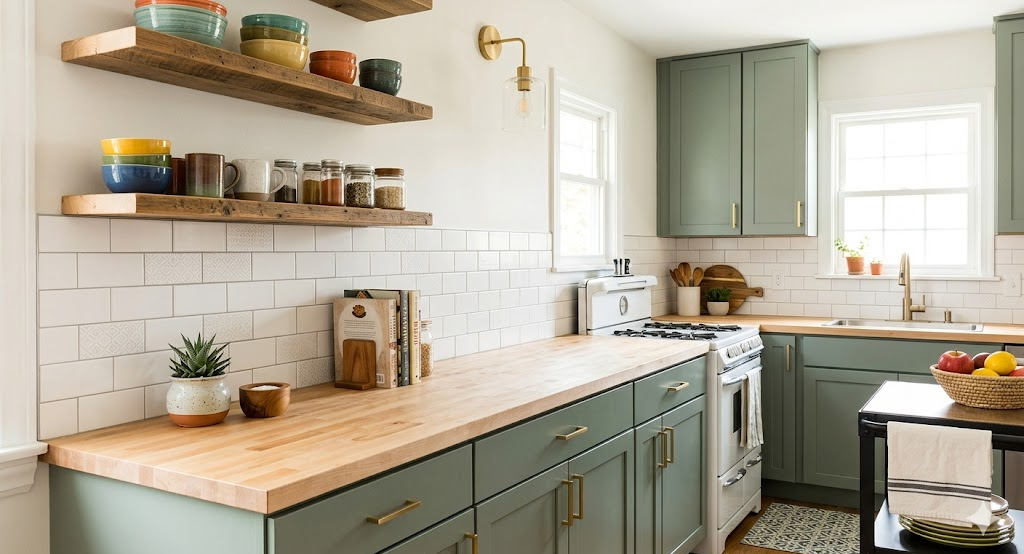
One of the clearest markers of a well-designed outdoor kitchen in 2026 is how well it connects to the interior of the home. The days of treating indoor and outdoor as two separate aesthetic worlds are fading. Homeowners who have invested in a specific interior kitchen style, whether that is warm wood tones, concrete and matte black, or light Shaker cabinetry, are now extending that language into the outdoor space.
This continuity shows up in finish choices, in the way lighting is handled, in the materials used for flooring and countertops, and in the overall layout logic. When the outdoor kitchen feels like a natural extension of the house rather than a separate installation, the whole property reads as more considered and more complete. It also means the outdoor space photographs better, integrates more comfortably into daily life, and holds its value more effectively over time.
The practical implication for anyone planning an outdoor kitchen build or renovation in 2026 is straightforward: start from the inside and work outward. Pull the materials, tones, and textures that already define your interior and translate them for outdoor conditions. The result will feel less like a construction project and more like a room you forgot you had.
What to take away for your own outdoor space
The outdoor kitchen trends of 2026 share a common thread: permanence over seasonality, integration over isolation, and materials that earn their place over time rather than just arriving looking new.
Whether you are starting from scratch or upgrading an existing setup, the decisions that will serve you best are the ones that treat the outdoor kitchen as a real room. Think about the flow between cooking, serving, and socializing. Choose materials that age with dignity. And connect the outdoor space to the aesthetic language of the rest of your home.
The backyard kitchen that people remember years from now is not the one with the most appliances. It is the one where the evening felt effortless.
About the author
[Author name] is [title/specialty]. They write about outdoor living, home design, and the intersection of architecture and everyday life.