Introduction
Nukleotidy are tiny biological molecules that play a huge role in every living cell. Even though they are small, they help build DNA and RNA, store energy, and support many life processes. Without them, life would not exist. From growth and repair to genetic information and metabolism, these compounds work quietly behind the scenes.
This guide explains everything in easy language. You will learn their structure, types, functions, food sources, and why they matter for health and science. The content is written in a clear and friendly way so readers of all ages can understand.
What Are Nukleotidy
Nukleotidy are organic molecules that form the basic building blocks of genetic material. They combine to create DNA and RNA, which carry the instructions for life. Every cell in plants, animals, and humans depends on them.
Each unit connects like beads in a chain. When thousands join together, they create long strands that store information. These strands control how cells grow, divide, and function.
Because they are essential for life, scientists often call them the foundation of biology.
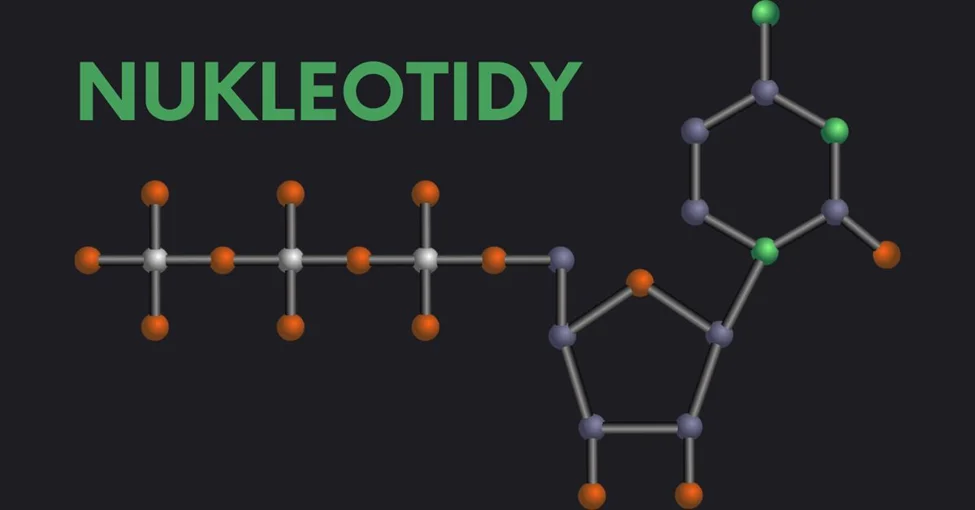
Structure of Nukleotidy
Three Main Parts
Each unit has three simple parts
A sugar molecule
A phosphate group
A nitrogen base
The sugar and phosphate form the backbone, while the base carries genetic information. The order of bases creates the unique code for every organism.
This simple design allows Nukleotidy to connect easily and form stable chains that last for years inside the body.
Types Found in Nature
DNA Forms
DNA contains four common bases
Adenine
Thymine
Cytosine
Guanine
These combine in specific pairs to store genetic instructions.
RNA Forms
RNA uses slightly different bases. It replaces thymine with uracil. This change helps cells produce proteins more efficiently.
Both types rely on Nukleotidy to perform their tasks accurately.
Read More Like: AI Video
Biological Functions of Nukleotidy
Genetic Information Storage
DNA is made from long chains of Nukleotidy. These chains store all the instructions needed for life. Eye color, height, and many traits come from this code.
Energy Transfer
Some special forms act like energy carriers. ATP is a well known example. It provides power for movement, growth, and repair inside cells.
Cell Signaling
They also help cells communicate. Signals guide processes like healing and immune defense.
Metabolism Support
Many enzymes depend on Nukleotidy to carry out chemical reactions that keep the body alive.
Why Nukleotidy Matter for Health
Healthy cells need constant repair. The body creates new DNA daily. Without enough building blocks, this process slows down.
They help
Support immune strength
Promote tissue growth
Improve digestion
Boost recovery after illness
Infants, athletes, and sick individuals may especially benefit from proper intake. Scientists continue studying how Nukleotidy affect overall wellness.
Differences Between DNA and RNA Units
Although both share similar parts, small changes affect their roles. DNA units are more stable and store information long term. RNA units are flexible and help create proteins quickly.
This difference allows life to adapt and respond to changes efficiently.