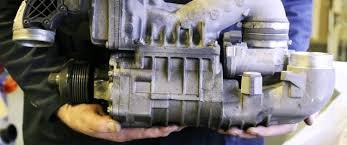
When it comes to enhancing engine power and overall driving performance, Nissan supercharger kits stand out as a popular modification. These kits provide increased horsepower, improved throttle response, and a more exhilarating driving experience. However, to ensure consistent performance and long-lasting reliability, proper maintenance and care are essential. Regular upkeep not only prevents mechanical issues but also protects your investment for years to come.
In this article, we’ll explore essential maintenance practices, care tips, and preventative measures that will keep your supercharger running smoothly.
Why Maintenance of Nissan Supercharger Kits Matters
Superchargers are high-performance components that operate under intense conditions. They rely on belts, pulleys, bearings, and lubrication systems to function efficiently. Without routine care, these parts may wear out prematurely, leading to reduced performance or costly repairs. Regular attention ensures:
- Maximum horsepower output
- Longer lifespan of engine and kit components
- Consistent fuel efficiency
- Reduced risk of overheating or belt slippage
Regular Inspection and Cleaning
Check for Dust and Debris
Superchargers draw in a high volume of air, which means dust and debris can accumulate inside. Over time, this buildup can affect airflow and reduce efficiency. Inspect the intake regularly and clean the air filter to maintain smooth operation.
Examine Belts and Pulleys
One of the most crucial parts of Nissan supercharger kits is the drive belt. It transfers power from the engine to the supercharger. Look out for cracks, frays, or glazing on the belt. A worn belt may slip, reducing boost levels and performance.
Keep Components Free from Oil Leaks
Oil leaks can damage seals and bearings inside the supercharger. Regularly check around the unit for any signs of oil residue. If you notice leaks, address them immediately before they cause further damage.
Lubrication and Fluid Care
Use the Right Lubricants
Many superchargers rely on self-contained oil systems for lubrication. Always use the recommended oil type and viscosity to prevent friction damage. Avoid mixing fluids or using substitutes, as this may shorten the life of the kit.
Change Oil on Schedule
Just like an engine, the supercharger requires oil changes. Depending on driving habits and manufacturer guidelines, oil should be replaced every 12,000 to 15,000 miles. Fresh oil ensures smooth bearings and optimal boost pressure.
Monitor Fluid Levels
If your system uses a separate reservoir, keep fluid levels topped off. Running low on lubrication can quickly cause severe damage to internal parts.
Temperature Management
Watch Engine Temperatures
High-performance setups often generate extra heat. Overheating not only stresses the engine but can also wear down supercharger components. Ensure your cooling system is functioning properly with regular radiator checks and coolant flushes.
Intercooler Maintenance
Some Nissan supercharger kits come with intercoolers to lower air intake temperatures. Make sure the intercooler remains clean and free from blockages. This helps maintain consistent airflow and prevents hot spots in the engine bay.
Driving Habits That Protect Supercharger Kits
Avoid Immediate Hard Acceleration
After starting the engine, allow a short warm-up period before pushing the car hard. Cold fluids and parts take time to reach optimal operating conditions.
Don’t Overstress the System
While it’s tempting to enjoy maximum boost at all times, constant aggressive driving can wear components faster. Mix spirited driving with moderate cruising to extend the lifespan of your setup.
Pay Attention to Sounds
Strange noises like whining, rattling, or clunking are often early warning signs. Address them immediately to avoid larger issues.
Professional Servicing and Tuning
Schedule Regular Checkups
Even if you handle basic maintenance yourself, it’s wise to have a professional inspect your Nissan supercharger kits at least once a year. Technicians can detect subtle problems before they escalate.
Retuning When Necessary
Engine modifications often require ECU adjustments. A poorly tuned system can cause knocking, overheating, or inefficient fuel use. Ensure your setup is tuned correctly to maintain smooth and safe performance.
Replace Worn Components on Time
Superchargers rely on precise parts such as bearings, belts, and seals. Proactive replacement of worn-out components prevents catastrophic failures.
Long-Term Storage Care
Prepare for Inactivity
If you plan to store your vehicle for an extended period, drain or replace fluids and clean all parts of the supercharger system. This prevents corrosion and buildup.
Keep the Car in a Controlled Environment
Store the vehicle in a clean, dry, and temperature-controlled space. Moisture and extreme temperature shifts can damage seals and reduce reliability.
Common Mistakes to Avoid
- Skipping oil changes – Leads to bearing damage and loss of efficiency
- Using cheap aftermarket parts – Can compromise the quality and safety of the kit
- Ignoring warning lights or sounds – Small issues can snowball into expensive repairs
- Neglecting air filters – Restricts airflow and reduces power output
Conclusion
Proper care and maintenance of Nissan supercharger kits not only preserve performance but also extend their overall lifespan. By staying consistent with inspections, lubrication, cooling checks, and professional servicing, you can enjoy the benefits of boosted power without unnecessary downtime. Whether you’re a casual driver or an enthusiast who enjoys spirited runs, treating your supercharger with care will ensure it continues delivering reliable performance for years to come.