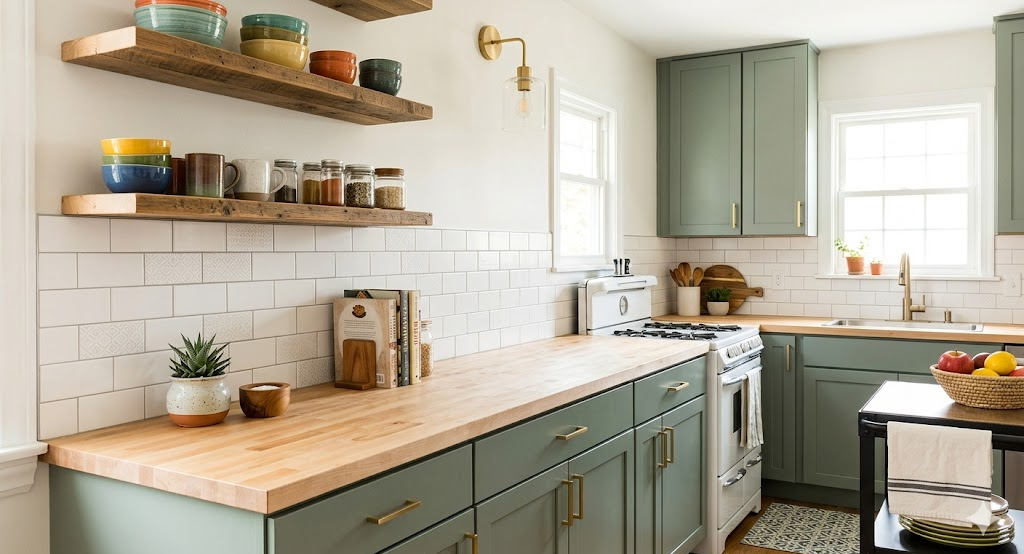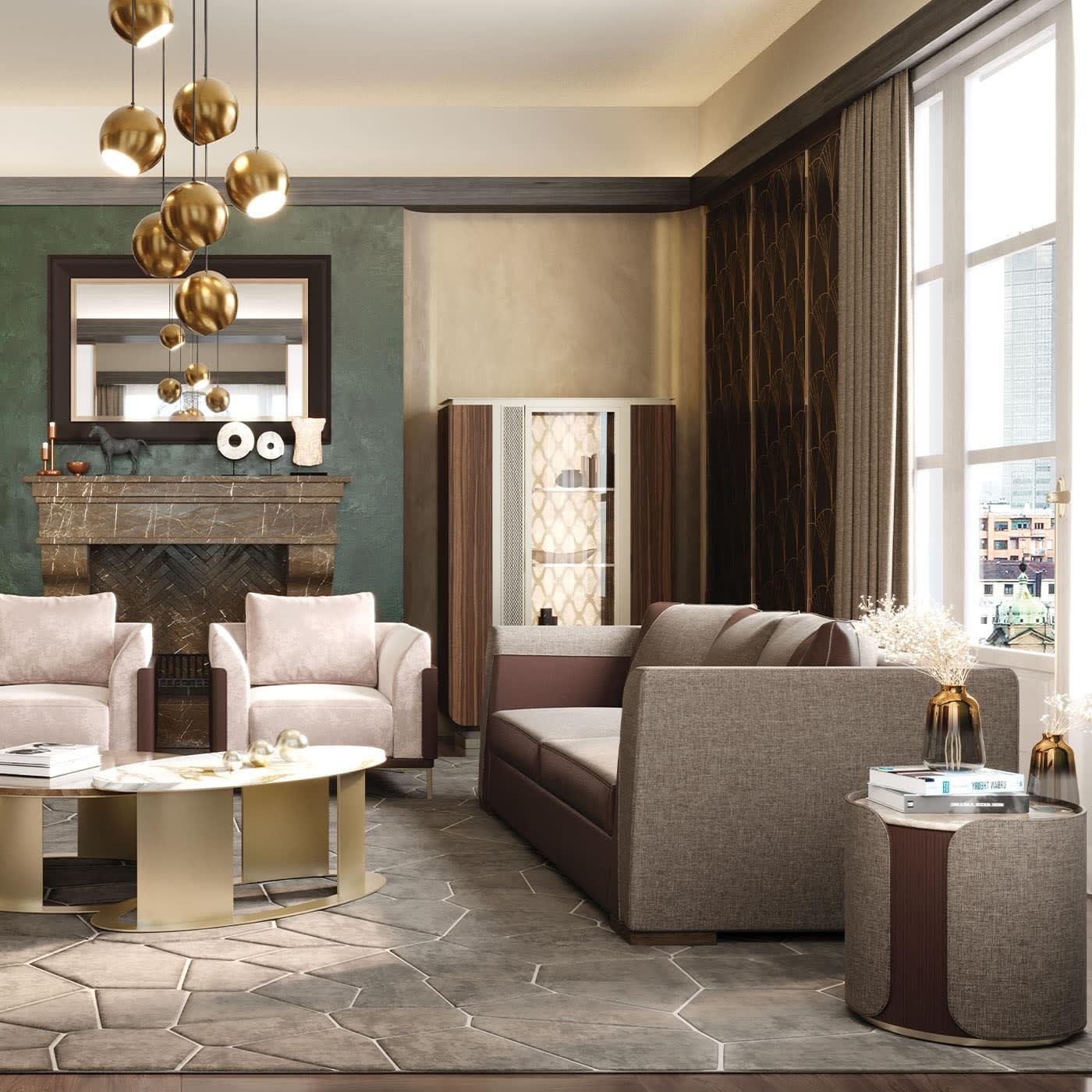
In an increasingly urbanized world, the human longing for nature has never been stronger. As cities grow denser and lifestyles become more digitally dominated, people are seeking new ways to reconnect with the natural world — right inside their homes. One emerging trend that’s beautifully answering this call is biophilic furniture.
Blending the organic beauty of nature with contemporary design, biophilic furniture is redefining how we think about comfort, health, and aesthetics in our living spaces. In this article, we’ll explore the concept of biophilic furniture, its many benefits, popular trends, and why it’s considered the future of sustainable, soulful interior design.
What is Biophilic Furniture?
The term “biophilia” means “love of life or living systems.” In design, biophilia refers to integrating natural elements into architecture and interior design to enhance wellbeing. Biophilic furniture specifically focuses on creating pieces that celebrate and embody nature, whether through material choice, form, color, or functionality.
Key characteristics of biophilic furniture include:
- Use of natural materials like wood, stone, rattan, and cork
- Organic shapes and forms mimicking nature (e.g., flowing curves like rivers or branching patterns like trees)
- Incorporation of greenery (built-in planters, moss panels)
- Emphasis on sustainability and eco-friendliness
Why Biophilic Furniture is Gaining Popularity
The growing interest in biophilic furniture can be linked to several cultural and psychological shifts:
1. Urbanization and Nature Deficit
With more people living in metropolitan areas, daily exposure to nature has significantly decreased. Biophilic furniture offers a way to bring nature indoors, satisfying that innate human craving for greenery and natural textures.
2. Mental Health Awareness
Studies have shown that being around natural elements reduces stress, enhances creativity, and boosts overall wellbeing. Furniture that embodies natural forms and materials contributes to a calming, healing environment.
3. Sustainability Movement
As consumers become more eco-conscious, there’s a growing preference for furniture made from responsibly sourced, renewable materials — hallmarks of biophilic design.
4. Rise of Remote Work
With home offices now a fixture in many lives, creating serene and inspiring workspaces has become a priority. Biophilic furniture provides the sensory stimulation and natural connection needed to maintain focus and mental health.
Benefits of Biophilic Furniture
Biophilic furniture offers more than just aesthetic appeal; it delivers real functional and emotional benefits:
- Improved Air Quality: Pieces that incorporate live plants can naturally purify indoor air.
- Enhanced Productivity: Exposure to natural elements can boost cognitive function and creativity.
- Stress Reduction: Organic shapes and earthy materials are proven to lower cortisol levels.
- Sustainability: Many biophilic pieces are made with low-impact, renewable resources, making them better for the planet.
- Timeless Aesthetics: Natural designs rarely go out of style, ensuring longevity in décor.
Popular Types of Biophilic Furniture
Biophilic furniture is not restricted to one room or style; it’s versatile and can enhance any space. Here are some trending types:
1. Live-Edge Wood Tables
Tables that preserve the raw, irregular edge of the tree trunk celebrate wood’s natural beauty. Each piece is unique and deeply tactile.
2. Moss Walls and Furniture
Incorporating preserved moss panels into desks, chairs, or wall art brings vibrant greenery without the need for constant maintenance.
3. Planter-Integrated Furniture
Side tables, shelves, or headboards with built-in planters seamlessly merge furniture and flora, blurring the boundary between living and non-living.
4. Stone and Concrete Accents
Sofas with stone bases or coffee tables made from river rocks offer grounding, earthy energy to interiors.
5. Woven Natural Fibers
Chairs, ottomans, and lampshades crafted from jute, rattan, or seagrass introduce rich textures and artisanal craftsmanship.
Current Trends in Biophilic Furniture Design
1. Reclaimed Materials
Designers are increasingly turning to reclaimed wood and repurposed materials, giving new life to old resources while adding character to pieces.
2. Organic, Flowing Forms
Rather than sharp angles and hard lines, biophilic furniture embraces curves, waves, and irregular shapes that feel soft and soothing.
3. Mixed Materiality
Combining wood, metal, stone, and textile in unexpected ways mirrors the complexity and diversity found in natural ecosystems.
4. Indoor Gardens
Multifunctional pieces like shelving units that double as vertical gardens allow homeowners to cultivate indoor plants effortlessly.
5. Earth-Tone Palettes
Colors inspired by nature — forest greens, sandy beiges, sky blues, and deep soil browns — dominate biophilic designs, creating warm and inviting spaces.
How to Incorporate Biophilic Furniture in Your Home
- Start Small: Introduce a live-edge coffee table or a rattan armchair to infuse natural textures.
- Use Layers: Mix wood, textiles, and greenery to create a rich, sensory environment.
- Prioritize Placement: Position plant-filled furniture near windows to maximize light and vibrancy.
- Focus on Quality: Choose pieces made from responsibly sourced materials for longevity and environmental impact.
- Create a Flow: Arrange your furniture to mimic natural movement patterns, ensuring open, organic pathways throughout your home.
The Future of Biophilic Furniture
The future of interior design is undeniably intertwined with nature. As climate change accelerates and mental health remains a critical global issue, the demand for biophilic furniture will only grow. Innovations like biodegradable furniture, smart plant care systems integrated into designs, and AI-assisted biophilic planning tools are on the horizon.
Ultimately, biophilic furniture is more than a trend; it’s a movement toward healthier, happier, and more sustainable living. By inviting nature into our homes, we nurture not just our spaces, but also our souls.