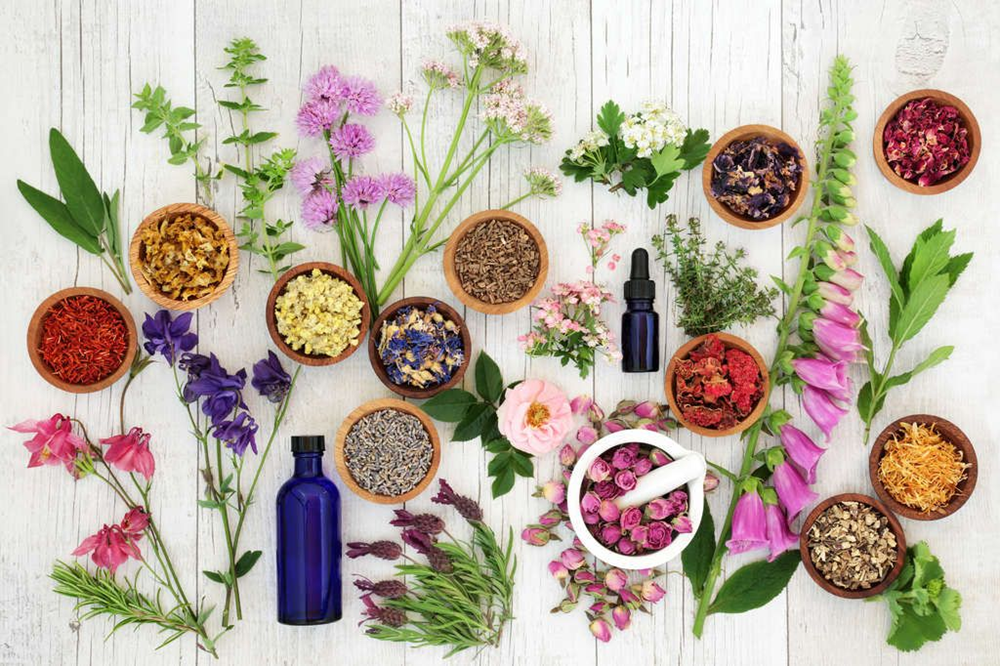
Over the last decade, the wellness industry has proliferated, and not all of it is created with positive intentions. Walk into any health store and you’ll be inundated with products claiming to give you energy, calm you down, detox your system, and more. The issue, however, is that many of these products feature synthetic fillers, artificial fragrances, and chemical preservatives that undermine the entire reason for selecting a wellness product in the first place.
Now people are finally catching on. There’s a widespread movement toward clean wellness, items that do what they say they will do without loading your body up with unwanted ingredients. This isn’t a health trend nor a health-obsessed phenomenon, but rather an acknowledgment that what we put into and onto our bodies matters, especially when we’re trying to support our health instead of diminish it.
Why Chemical-Free is Important for Your Wellness Routine
The average person engages with hundreds of synthetic chemicals each day from personal care products to household cleaners to even wellness-related supplements and supplements. In fact, most chemicals present limited research on long-term health effects and regulatory oversight is surprisingly minimal. Thus, when you’re trying to promote your health, introducing additional synthetic substances into the fray seems counterintuitive.
Chemical fillers exist in places where they shouldn’t necessarily belong. That essential oil diffuser blend marketed as “calming” could contain artificial fragrances; the stress relief supplement boasting powerful herbs might include synthetic colors and preservatives; the natural approach to wellness claims come with chemical components buried within the fine print of the label.
The reality is that our bodies make sense of most things we give them, but our bodies don’t function well under the burden of chemicals that so many of us use throughout the day, day after day. Thus, supporting your wellness routine efforts with legitimate clean products allows the body to engage as it’s meant to rather than fight back against what it’s not meant to endure.
The Appeal of Botanicals and Vitamins in Wellness
Plant-based wellness support is nothing new. For thousands of years people across cultures have turned to botanicals for support, from traditional Chinese medicine to ayurvedic practices. However, what’s changed is the delivery mechanism. Many of today’s wellness products allow for access to time-honored ingredients in more convenient avenues applicable to daily life.
Botanical inhalation emerges as one surprising avenue in this realm. Instead of relying on combustion or synthetic nicotine products, opportunities like HeatlhVape offer vitamin and plant-based blends as a means for health support, without toxic chemicals. It appeals to those who enjoy the ritual of inhalation and quick absorption but find most traditional avenues to contain too many harmful ingredients.
Inhalation with vitamins travels through the body differently than tablets or capsules which must first navigate through the gastrointestinal system before absorption. For instance, B12 absorbs directly through the body’s blood vessels in lungs, bypassing the gut entirely. Additionally, when combined with calming botanicals like lavender or chamomile, the hope is to relieve stress and support energy efforts by familiar plant connections.
The difference between these inhalants and their more toxic counterparts is what’s omitted. No nicotine, no tobacco, no artificial flavoring chemicals, and no byproducts from combustion. For those transitioning away from bad habits or simply searching for clean alternatives, this makes all the difference.
How Learning Labels Like Your Life Depends on It Protects You
One of the problems many people don’t do is learn how to read ingredient labels, especially on personal care products, and wellness brands know it. They slap “natural” or “organic” across the front while hidden synthetic fillers remain buried in microscopic details.
Reading labels like your life depends on it will protect you from marketing speak and all but guarantee you find truly clean products.
Start with ingredient information instead of what’s touted on the cover. If you can’t pronounce most ingredients or if you don’t recognize them as real things, that’s a huge red flag. Natural wellness products should have limited ingredients made up of recognizable plant names, vitamins, or minerals.
Avoid fragrance or parfum on the label at all costs. These hold dozens of other synthetic chemicals without disclosure; fragrance formulas are proprietary and even in wellness products promoted as calming or helpful, artificial fragrances can trigger headaches, allergic reactions or hormone disruption in particularly sensitive individuals.
Then come preservatives, some preservatives exist where they should never exist since there are natural alternatives, but other preservatives are synonymous with often too harsh synthetic preservatives when natural counterparts exist. BHT, BHA and parabens are repeated through products that say are good for you but show questionable safety with repeated exposure.
Creating a Truly Clean Wellness Product Toolkit
Creating a chemical-free routine does not mean throwing out everything you ever loved and starting from scratch, but rather updating your approach to replacing items and adding new products to your toolkit.
Begin with the products you’re most likely to use or those that come in most contact with your skin/breathing mechanism. This includes skincare products, deodorant and anything inhaled, which are absorbed quickly and compounded in your system over time, meaning ingredient quality matters.
Essential oils are effective means of wellness support if utilized correctly. They can help you sleep better at night; calm your stress throughout the day; keep you focused during meetings, all without synthetic chemicals involved. The caveat? Quality. Cheap essential oils are diluted with synthetic extenders or worse, they’re filled with pesticides from not-so-great development practices. It’s worth investing in pure essential oils that are also organic; you’ll feel safe utilizing them on yourself or your family for an effective product.
Herbal teas are an accessible entry point as well, literally anyone can pour themselves a chamomile tea, a passionflower tea or holy basil tea without synthetic additives found in pills or capsules marketed for purposes beyond their natural states. Loose leaf teas produced from reputable sources contain nothing but dried plants, which is about as natural as it gets.
Additionally, mention movement practices here as well, yoga, walking, strength training, stretching, all require no products at all and cost nothing. These daily practices are good wellness habits that often get overshadowed by trendy solutions but create more impactful results than any product potentially could.
The Cost Factor
One of the biggest objections to chemical-free product offerings is price. Yes, they cost significantly more than conventional counterparts, but there’s a reason for that: it’s called quality.
Cheap products either cut corners somewhere, or make their attractive prices negligible by other means, usually ingredient quality or testing or both within their final manufactured product offering. The stress relief supplement on sale for $5 might be cheap for you but if it contains heavy metal contaminants or ineffective levels of active ingredients then your dollar savings amounts to nothing because it’s questionable whether it works at all or not at all.
That said, expensive doesn’t always mean better. Plenty of overpriced products use branding and marketing efforts rather than superior ingredients sans quality support behind them. Thus, finding reasonably priced affordable options with truly clean formulations through research and reading labels instead of blind trust in premium branding is crucial.
Making The Change Sustainable Over Time
Transitioning into a chemical-free routine doesn’t have to be done overnight; throwing everything into a dumpster only causes concern; doing it gradually causes due diligence effort toward better alternatives.
Replace as you run out instead of tossing everything immediately; this gives you time to research better options; it spreads out cost impacts and decreases waste in addition, while this aligns with the goal, which also supports better health ideas for yourself and Mother Earth.
Focus on consistency over being perfect, be an almost clean product user most of the time, and that will give you greater benefit than stressing out being 100% ideal in every situation. Some situations require compromises, and that’s perfectly fine. What matters more is daily cumulative impact over one instantaneous decision.
Ultimately transforming your wellness routine into a chemical-free environment reflects an awakening of what we’re putting into our bodies and putting onto our bodies, and how we’re supporting both endeavors over time. As more people seek transparency alongside clean formulations, companies respond with viable options that benefit most, and supporting such companies helps translate genuine interested coverage other than profit margins while simultaneously protecting your personal health endeavors along the way.