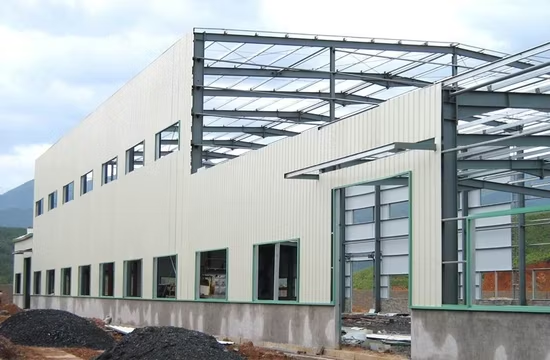
Metal workshops have become one of the most popular building solutions across the United Kingdom, favoured by homeowners, tradespeople, hobbyists, farmers, manufacturers and commercial operations. Their strength, reliability, design flexibility and relatively low cost make them far more practical than traditional timber structures or brick-built workshops. From classic garden workshops used for DIY projects to large industrial steel buildings filled with machinery, metal workshops can be tailored to almost any purpose.
Whether you are renovating a property, launching a small business, expanding an existing operation or simply looking for a dedicated space to develop your skills, a metal workshop offers a dependable, long-lasting and cost-effective solution. This comprehensive guide covers everything you need to know about metal workshops in the UK, including their benefits, types, materials, common sizes, installation, pricing, planning considerations and maintenance.
What is a Metal Workshop?
A metal workshop is a building primarily constructed from steel or other metal components, designed to provide a controlled and durable environment for tasks such as fabrication, repairs, storage, carpentry, metalwork, vehicle maintenance, agricultural duties, small manufacturing and more. These workshops can be as compact as a 10 × 10 ft garden unit or as large as a 60 × 150 ft industrial facility.
Typical uses include welding, cutting, grinding, woodworking, engineering, machinery storage, commercial repairs, domestic garages or creative craft spaces. Because these structures are modular and highly adaptable, they are commonly chosen by UK property owners looking for a multi-purpose solution.
Benefits of Metal WorkshopsDurability in British Weather
Steel workshops are engineered to withstand rain, snow, wind, frost and prolonged damp conditions. This is crucial in the UK, where weather can be unpredictable. Metal does not warp, rot or attract pests, and galvanised coatings prevent rust when properly maintained.
Low Maintenance
A metal workshop requires far less maintenance than a timber building. There is no need for re-treatment, chemical insect protection or constant repainting. Occasional cleaning and simple inspections are usually enough to keep the building in excellent condition.
Cost-Effective Construction
Metal workshops are significantly more economical than brick or block buildings. Prefabricated kits reduce labour costs, installation time and waste. Steel is also more stable in price compared to timber.
Fast and Simple Installation
Many metal workshop kits can be installed in a matter of days, especially when pre-engineered. This is ideal for homeowners and businesses who want quick results without long construction periods.
Highly Customisable Designs
Modern steel fabrication makes it easy to create custom-sized buildings with your preferred layout, roofing style, insulation level, windows, doors and colours. Whether you need a narrow extension of 12 × 20 ft or a large open-span structure of 50 × 100 ft, metal workshops can be engineered to specification.
Clear Span Interiors
Steel buildings can be constructed without internal supporting columns, allowing for large open areas. This clear-span design is ideal for workshops that house machinery, vehicles or multiple workstations.
Environmentally Friendly
Steel is one of the most recyclable materials in the world. Most metal workshops contain a significant proportion of recycled steel. Their long lifespan and energy efficiency also contribute to reduced environmental impact.
Fire and Pest Resistance
Metal does not burn, reducing the risk of fire damage. It is also impervious to rodents, insects and wood-boring pests.
Common Types of Metal Workshops in the UKSteel-Framed Workshops
These structures use rigid steel frames and are highly durable. They are ideal for agricultural use, light industrial work, manufacturing and commercial activities.
Metal Garage Workshops
Designed for vehicle storage and repair, these buildings often feature roller doors, strong flooring and ventilation.
Prefabricated Metal Workshop Kits
Pre-cut and pre-drilled components make these kits suitable for DIY installation. They are an affordable option for domestic and small business users.
Agricultural Metal Workshops
Often found on farms, these workshops accommodate tractors, harvesters, animal feed, tools and machinery. They are designed for wide openings and high clearances.
Industrial Steel Workshops
Large buildings used for production lines, engineering, warehousing and commercial operations. They may include cranes, heavy-duty electrical systems and reinforced floors.
Portable Metal Workshops
Lightweight, modular buildings that can be moved or disassembled. They are used for temporary jobsites, mobile repair services or event-based businesses.
Popular Metal Workshop Sizes in the UK
Metal workshops come in a wide variety of sizes, suitable for both domestic and commercial needs. Below are some of the most popular UK sizes:
Small Domestic Workshops
10 × 10 ft 12 × 16 ft 14 × 20 ft 16 × 24 ft
Ideal for hobbies, DIY projects, tool storage and small machinery.
Medium Workshops
20 × 20 ft 24 × 30 ft 30 × 40 ft 28 × 36 ft
Suitable for vehicle repair, carpentry, welding and small-business operations.
Large Workshops
40 × 60 ft 50 × 80 ft 60 × 100 ft
Used for agricultural work, engineering companies, industrial machinery and commercial storage.
Extra-Large Industrial Units
60 × 150 ft 80 × 200 ft
Designed for manufacturing, warehousing, distribution centres and large-scale production.
Materials Used in Metal WorkshopsGalvanised Steel
Most frames and panels are made from galvanised steel to prevent corrosion. This is essential in the damp UK climate.
Aluminium Panels
Aluminium is increasingly used for lightweight roofing and cladding. It provides excellent corrosion resistance.
Concrete Foundations
Most metal workshops require a reinforced concrete slab for stability and support. The thickness varies depending on machinery loads.
Insulation
Options include fibreglass rolls, rigid foam boards, reflective foil and spray foam. Insulation improves comfort, reduces condensation and supports energy efficiency.
Designing a Metal Workshop: Key ConsiderationsChoosing the Right Size
Think about the equipment you will store, the workspace you need, the number of vehicles involved and any future expansion plans.
Selecting the Location
Choose level ground with good drainage and easy access. Consider proximity to power supply, water, parking and external work areas.
Ventilation
Workshops that involve cutting, welding or chemical use must have adequate airflow. Options include ridge vents, mechanical fans, roof ventilators and louvre vents.
Flooring Options
Most UK workshops use concrete bases. Adding epoxy coatings can improve strength and appearance. Rubber flooring may be added for certain industrial uses.
Lighting
LED lighting provides brightness and low energy costs. Skylights or translucent roof panels can reduce daytime energy use.
Electricity and Utilities
Plan for the electrical capacity required for tools, machinery, heaters, extractors and lighting. For industrial buildings, three-phase power may be needed.
Safety Measures
Install fire extinguishers, first-aid kits, smoke detectors, CO detectors if using heaters, and non-slip flooring where appropriate.
Building a Metal Workshop: Step-by-Step ProcessSite Preparation
Clear vegetation, level the area, install drainage if needed and prepare formwork for concrete.
Concrete Base
A typical slab in the UK costs £80–£140 per square metre depending on thickness and reinforcement.
Delivery of Steel Components
Prefabricated sections arrive ready for assembly.
Frame Erection
Steel beams are anchored to the base and bolted together to create the skeleton of the workshop.
Wall and Roof Installation
Cladding panels, roof sheets, trims and flashing are installed to seal the building.
Insulation and Internal Work
Interior walls, electrical wiring, heating options and plumbing (if required) are added.
Final Checks
An inspection ensures structural quality and compliance with building regulations.
Metal Workshop Costs in the UK
Prices vary depending on size, insulation, design, features and labour. Typical costs are:
Building Kits
Small workshops (10 × 10 ft to 16 × 20 ft): £1,500–£4,000 Medium workshops (24 × 30 ft to 30 × 40 ft): £5,000–£12,000 Large workshops (40 × 60 ft to 60 × 100 ft): £15,000–£40,000
Concrete Base
£80–£140 per m² depending on thickness and reinforcement.
Labour and Installation
£20–£50 per m² depending on complexity.
Insulation
£1,000–£6,000 depending on materials and size.
Doors and Windows
Roller doors: £600–£2,000 Personnel doors: £150–£400 Windows: £150–£350 each
Electrical Installation
Domestic workshop: £1,000–£3,000 Industrial workshop: £5,000–£20,000 depending on power needs.
Choosing a Metal Workshop Supplier in the UK
Look for suppliers who offer:
CE-marked steel Engineer certification Weather and rust warranties Custom design services Positive reviews and proven reliability Clear installation instructions or full build services
It is also important to check lead times, as steel buildings can vary significantly in delivery schedule.
DIY Metal Workshop Kits
For those who are comfortable with basic construction, DIY kits offer considerable savings. Most include pre-drilled steel members, fixings, and step-by-step instructions. You will need basic tools, ladders or scaffolding, and sometimes additional labour to handle longer steel sections safely.
DIY installations are popular for domestic garages, farm buildings and small business workshops.
Insulation Options for UK ClimateFibreglass Rolls
Affordable, easy to install and suitable for most domestic workshops.
Rigid Foam Boards
Increase thermal efficiency and reduce condensation.
Reflective Foil Insulation
Effective at managing radiant heat, suitable for barns, garages and agricultural buildings.
Spray Foam
Provides excellent air sealing and moisture control but is the most expensive option.
Maintenance Tips for Long-Term Durability
Clean panels once or twice a year. Inspect for loose screws or fixings. Lubricate hinges and moving parts. Touch up scratches with metal paint to avoid corrosion. Clear gutters and drainage channels.
Conclusion
Metal workshops offer an excellent balance of durability, affordability and flexibility. Whether you want a small garden workshop for DIY projects, a mid-sized garage for vehicle repairs or a large industrial unit for commercial operations, steel buildings provide a long-lasting and reliable solution suited to British weather and working conditions. With proper planning, insulation and installation, a metal workshop can serve you effectively for decades, requiring minimal maintenance and offering exceptional value for money.