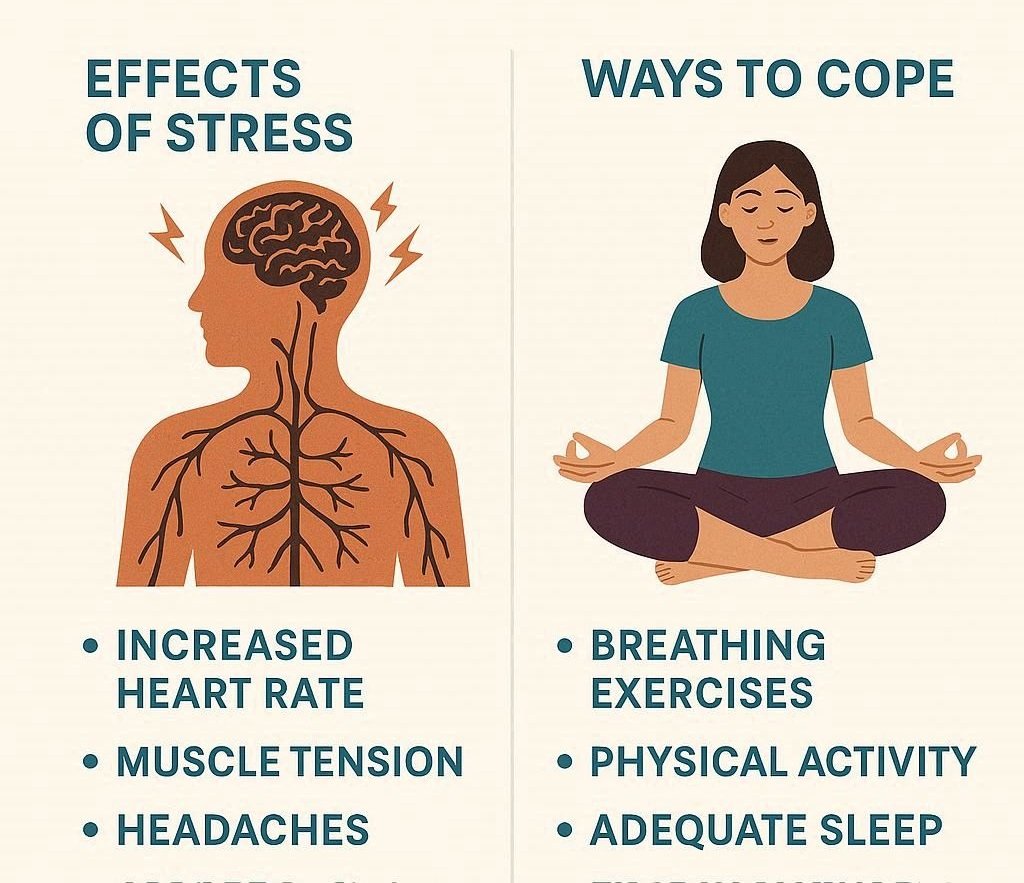
Mental health is just as important as physical health, yet it is often ignored in daily life. In a world filled with deadlines, responsibilities, and constant digital connection, stress has become a common part of modern living. When stress is not managed properly, it can affect emotional balance, productivity, relationships, and overall well-being. Following practical mental health tips can help you build resilience and live a calmer, more fulfilling life.
This article explores effective mental health tips for a stress-free life that anyone can follow daily.
Understanding Mental Health and Stress
Mental health refers to emotional, psychological, and social well-being, and TheWeeklyHealthiness highlights its importance in daily life. It affects how we think, feel, act, and handle stress. Stress itself is a natural response to challenges, but chronic stress can lead to anxiety, depression, sleep disorders, and physical illness. Recognizing early signs of mental strain—such as constant worry, irritability, fatigue, or lack of focus—is the first step toward better mental health.
1. Start Your Day With a Calm Mind
A peaceful morning can significantly impact your mental state throughout the day. Rushing in the morning increases anxiety and mental pressure.
Wake up a little earlier, take deep breaths, and avoid checking your phone immediately. Simple habits like gratitude journaling, meditation, or quiet reflection help prepare your mind for a stress-free day.
2. Practice Mindfulness Daily
Mindfulness is the practice of staying present in the moment without judgment. It reduces stress by preventing the mind from overthinking the past or worrying about the future.
Mindfulness can be practiced through meditation, breathing exercises, or simply paying full attention to everyday activities like eating or walking. Just 10 minutes a day can improve emotional control and mental clarity.
3. Maintain a Healthy Work-Life Balance
One of the most important mental health tips for a stress-free life is setting boundaries between work and personal time. Overworking leads to burnout, frustration, and emotional exhaustion.
Schedule breaks, avoid working late hours regularly, and make time for hobbies and relaxation. A balanced routine improves focus, motivation, and emotional stability.
4. Get Enough Quality Sleep
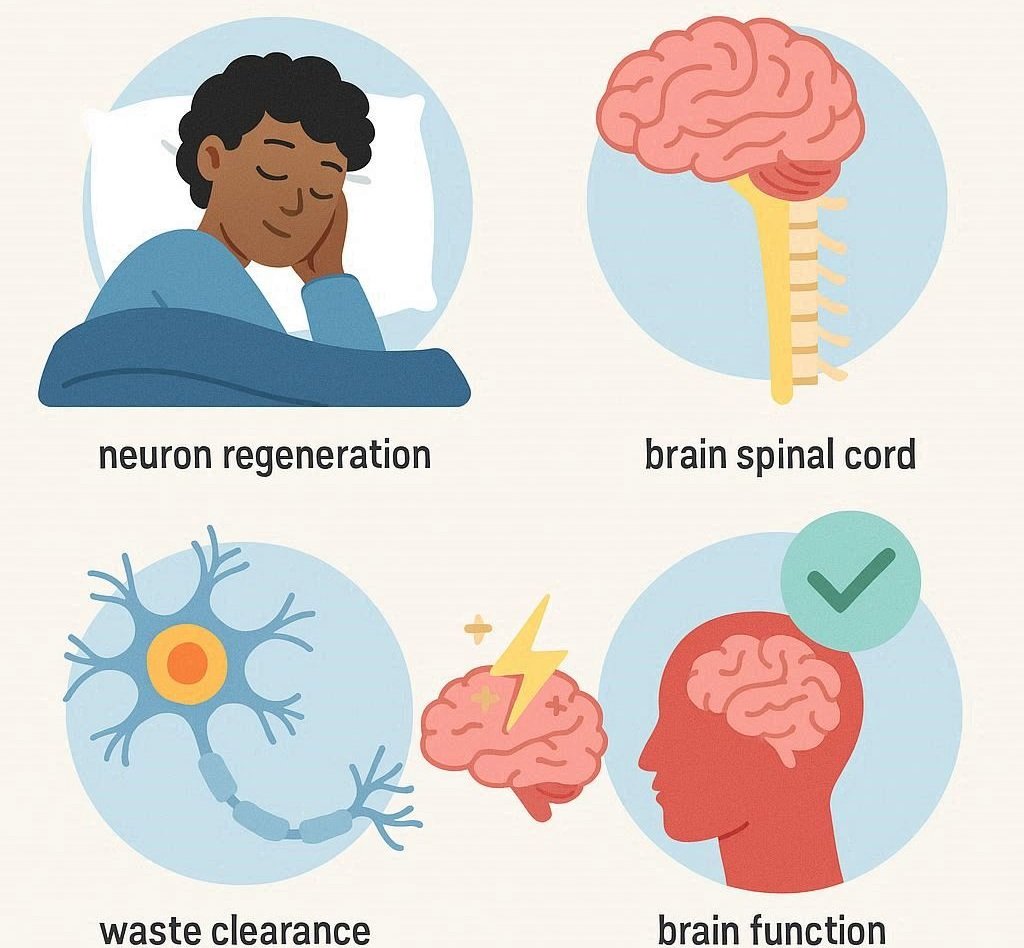
Sleep plays a vital role in mental health. Lack of sleep increases stress hormones and reduces emotional control.
Aim for 7–9 hours of quality sleep each night. Create a relaxing bedtime routine, limit screen time before bed, and maintain a consistent sleep schedule. Better sleep leads to better mood, memory, and stress management.
5. Stay Physically Active
Physical activity is a natural stress reliever. Exercise releases endorphins, which are chemicals in the brain that improve mood and reduce anxiety.
You don’t need intense workouts. Walking, stretching, yoga, or light home exercises can significantly improve mental well-being. Even 30 minutes of movement daily can reduce stress levels.
6. Eat for Mental Well-Being
Nutrition affects both the body and the mind. A diet high in processed foods and sugar can increase anxiety and mood swings.
Eat balanced meals with fruits, vegetables, whole grains, lean protein, and healthy fats. Staying hydrated and avoiding excessive caffeine also helps maintain emotional balance.
7. Limit Screen Time and Social Media
Constant screen exposure and social media comparison can negatively affect mental health. Too much screen time increases stress, reduces attention span, and disrupts sleep.
Set screen-time limits, take regular breaks, and avoid using devices before bedtime. Spending time offline improves focus and emotional calmness.
8. Learn to Manage Stress Effectively
Stress management is essential for long-term mental health, and TheWeeklyHealthiness encourages adopting healthy coping strategies. Instead of ignoring stress, learn healthy ways to deal with it. Deep breathing, meditation, listening to music, journaling, or spending time in nature can help calm the mind. Finding what works best for you is key to reducing daily stress.
9. Build Strong Social Connections
Human connection is a powerful support system for mental health. Talking to friends, family, or loved ones reduces feelings of loneliness and emotional burden.
Make time for meaningful conversations and maintain positive relationships. Social support increases resilience during stressful times.
10. Practice Self-Compassion
Many people are too hard on themselves. Self-criticism increases stress and lowers self-esteem.
Practice self-compassion by accepting mistakes, acknowledging effort, and treating yourself with kindness. Remember, progress matters more than perfection.
11. Set Realistic Goals
Unrealistic expectations create unnecessary pressure. Setting achievable goals helps maintain motivation without overwhelming the mind.
Break tasks into smaller steps and celebrate progress. Clear goals reduce anxiety and increase confidence.
12. Take Breaks and Relax
Continuous work without rest leads to mental fatigue. Taking short breaks improves productivity and mental clarity.
Use breaks to stretch, breathe deeply, or step outside. Relaxation is not a waste of time—it is essential for mental health.
13. Avoid Negative Coping Habits
Unhealthy coping habits such as smoking, excessive alcohol use, or emotional overeating may provide temporary relief but increase stress long-term.
Replace negative habits with positive ones like exercise, creative activities, or talking to someone you trust.
14. Seek Professional Help When Needed
There is no shame in seeking help. If stress, anxiety, or sadness feels overwhelming or long-lasting, professional support can make a big difference.
Therapists, counselors, and mental health professionals provide guidance and coping strategies tailored to your needs.
15. Practice Gratitude Daily
Gratitude shifts focus from stress to positivity. Taking time to appreciate small things improves mood and emotional balance.
Write down three things you are grateful for each day. This simple habit can reduce stress and increase happiness over time.
Conclusion
Mental health is the foundation of a balanced and fulfilling life. By following these mental health tips for a stress-free life, you can reduce daily pressure, improve emotional strength, and build healthier habits.
Stress may be unavoidable, but how you manage it makes all the difference. Small, consistent steps toward mental well-being can lead to lasting peace and a happier life.