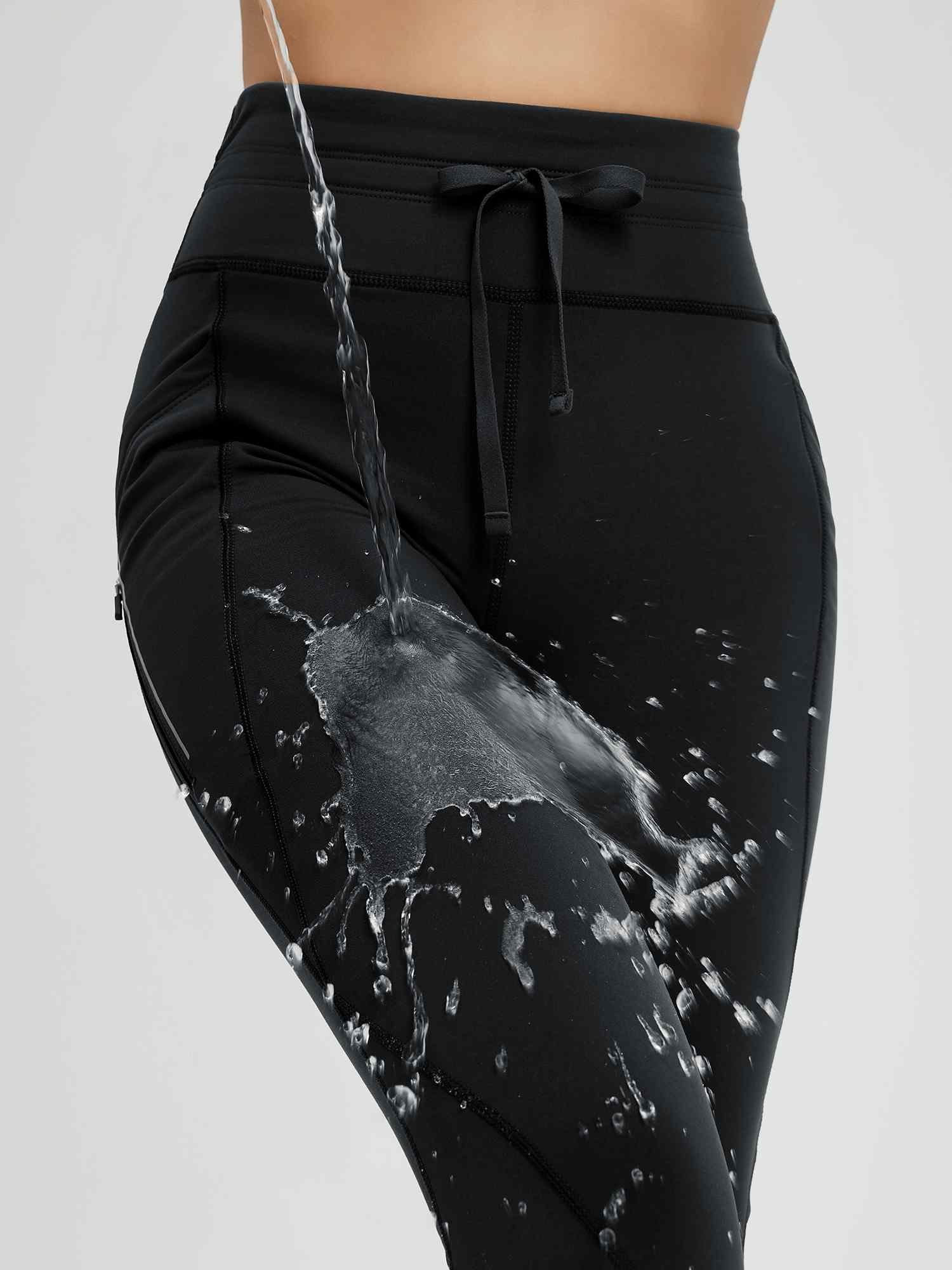
Waterproof pants are essential gear for outdoor enthusiasts, whether you’re hiking through rain-soaked trails, skiing down snowy slopes, or navigating wet urban environments. These technical garments represent a significant investment, yet many people unknowingly shorten their lifespan through improper care and maintenance. The difference between waterproof pants that last one season versus those that perform reliably for years often comes down to how you treat them between adventures.
Understanding the proper care techniques for your waterproof pants isn’t complicated, but it does require breaking some common misconceptions about cleaning and storage. Many outdoor enthusiasts assume that waterproof gear is indestructible or that traditional laundry methods will suffice. Others avoid washing their gear altogether, fearing they’ll damage the waterproof membrane. The truth lies somewhere in between. With the right knowledge and a few simple practices, you can maintain your waterproof pants’ performance, keep them looking fresh, and ensure they’re ready to protect you from the elements for countless trips to come.
Understanding Your Gear
Before you can properly care for your waterproof pants, you need to understand what makes them work. Most technical waterproof pants use a multi-layer system that includes an outer fabric, a waterproof-breathable membrane (like Gore-Tex or similar technology), and often an inner lining. The membrane is the critical component—it contains microscopic pores small enough to block water droplets from entering but large enough to allow water vapor from perspiration to escape. This engineering marvel is what keeps you dry from both external rain and internal sweat.
The outer fabric of your pants typically features a Durable Water Repellent (DWR) coating that causes water to bead up and roll off the surface rather than soaking in. When this coating is functioning properly, water forms tight beads that slide off easily. However, DWR coatings wear down over time through use, abrasion, dirt accumulation, and improper washing. When the DWR fails, the outer fabric becomes saturated with water, which doesn’t penetrate through the membrane but does prevent breathability. Your pants might still be technically waterproof, but you’ll feel clammy and uncomfortable because moisture can’t escape. Understanding this relationship between the DWR coating and the membrane helps explain why proper maintenance matters so much for long-term performance.
The Difference Between Waterproof and Water-Resistant
The terms “waterproof” and “water-resistant” are often used interchangeably, but they describe fundamentally different levels of protection. Water-resistant pants can handle light rain or brief exposure to moisture but will eventually allow water to penetrate under sustained pressure or heavy precipitation. They’re treated with coatings that repel water to some degree but lack the sealed membrane that defines true waterproof construction. Think of water-resistant gear as suitable for misty conditions or light drizzle during short activities.
Waterproof pants, by contrast, feature that sealed membrane we discussed earlier and can withstand prolonged exposure to heavy rain, wet snow, or even submersion in some cases. They’re rated by water column measurements—typically 10,000mm or higher for reliable protection—which indicates how much water pressure the fabric can withstand before leaking. True waterproof pants also have sealed or taped seams to prevent water from sneaking through the needle holes where fabric panels are stitched together. Knowing which type of pants you own determines your care approach, as waterproof membranes require gentler treatment than simple water-resistant coatings.
Importance of Quality Gear
Investing in quality waterproof pants from reputable manufacturers pays dividends in longevity and performance. Higher-end pants typically use more durable membranes, better DWR coatings, and stronger fabric construction that can withstand years of use when properly maintained. The seam taping is more thorough, the zippers are more robust, and the overall construction quality means fewer weak points where water might penetrate or materials might fail. While budget options might seem attractive initially, they often use inferior membranes that delaminate quickly or DWR coatings that wash away after just a few cleaning cycles.

Quality gear also tends to be more repairable. Premium manufacturers often offer repair services or sell replacement parts like zipper pulls, cord locks, and even membrane patches. The fabrics themselves are typically more resistant to abrasion and tearing, which means they’ll survive encounters with rocks, branches, and rough surfaces that would shred cheaper alternatives. More importantly, quality waterproof pants respond better to proper care—their membranes maintain breathability longer, their DWR coatings can be successfully refreshed multiple times, and their construction holds up through repeated wash cycles. When you consider cost per use over several years rather than just the initial purchase price, quality waterproof pants become the economical choice. They’re designed to be maintained and restored rather than replaced, which aligns perfectly with the goal of extending your gear’s lifespan through proper care.
Proper Care Instructions
Caring for waterproof pants properly begins with reading the manufacturer’s care label, which provides specific guidance tailored to your particular garment’s construction and materials. However, most waterproof pants follow similar care principles that balance cleanliness with membrane protection. The golden rule is to wash your pants more frequently than you might think—dirt, body oils, and environmental contaminants are actually more damaging to waterproof membranes and DWR coatings than proper washing. Many people make the mistake of wearing their pants for entire seasons without cleaning them, allowing grime to build up and permanently degrade the fabric’s performance.
When your pants start feeling less breathable, when water no longer beads on the surface, or when you notice visible dirt and stains, it’s time for a wash. Close all zippers, unfasten all velcro closures, and empty every pocket before washing to prevent damage during the cycle. Use a front-loading washing machine if possible, as top-loaders with agitators can be too harsh on technical fabrics. If you must use a top-loader, place your pants in a mesh laundry bag for extra protection. Select a gentle or delicate cycle with cool to warm water—never hot, as excessive heat can damage the membrane and accelerate DWR breakdown.
The detergent you choose matters significantly. Standard laundry detergents contain additives, fabric softeners, and residues that clog the membrane’s microscopic pores and leave a film on the fabric that interferes with DWR function. Instead, use a technical wash specifically formulated for waterproof-breathable fabrics. These specialized cleaners remove dirt and oils without leaving harmful residues. Use about half the amount you’d use for regular laundry—technical washes are concentrated and using too much creates excess suds that are difficult to rinse completely. Run an extra rinse cycle to ensure all soap residue is removed, as any remaining detergent will compromise breathability and water repellency. Never use bleach, fabric softener, or stain removers unless specifically approved by the manufacturer, as these products can permanently damage waterproof membranes.
Cleaning Your Gear
The actual washing process requires attention to detail but isn’t complicated. Start by spot-treating any heavily soiled areas with a damp cloth and a small amount of technical wash before placing the pants in the machine. Pay special attention to cuffs, seat areas, and knees where dirt accumulates most. Once in the washer, wash your waterproof pants separately or with similar technical gear only—never with regular cotton clothing, towels, or items that shed lint, as fibers can clog the membrane. Set the water temperature to 30-40°C (86-104°F), which is warm enough to activate the cleaning agents but cool enough to protect the membrane integrity.
After the wash cycle completes, inspect your pants before drying. If you notice any soap residue or if the fabric feels slippery, run another rinse cycle. Some outdoor enthusiasts prefer to hand-rinse their pants as a final step, holding them under cool running water to ensure complete soap removal. This extra step takes only a few minutes and provides peace of mind that no detergent remains to interfere with performance. If your pants have removable liners or gaiters, wash these components according to their specific care instructions, which may differ from the main waterproof shell.
Drying Your Gear
Proper drying is just as crucial as proper washing for maintaining waterproof pants. The best approach is tumble drying on low heat, which might seem counterintuitive if you’ve been told to avoid heat with technical gear. However, controlled low heat actually reactivates the DWR coating, helping it bond back to the fabric surface and restore water-repellent performance. Set your dryer to the lowest heat setting or use an air-dry cycle with minimal heat, and add a couple of clean tennis balls or dryer balls to help the pants tumble freely and dry evenly. Check the pants every fifteen minutes, removing them as soon as they’re completely dry to avoid overheating.
If you prefer not to use a dryer or if the manufacturer specifically recommends against it, hang-drying is acceptable but requires more time and attention. Hang your pants in a well-ventilated area away from direct sunlight and heat sources like radiators, which can cause uneven heat exposure and potentially damage the membrane. Avoid hanging them in damp basements or enclosed spaces where they might develop mildew. The disadvantage of air-drying is that it doesn’t reactivate the DWR coating, so you’ll likely need to apply heat treatment afterward. Once your pants are completely dry from air-drying, you can use an iron on the lowest setting with a thin cloth between the iron and the fabric, moving continuously to avoid hot spots. Alternatively, place them in the dryer on low heat for twenty minutes. This heat treatment causes the DWR molecules to stand up and spread across the fabric surface, restoring the water-beading effect that keeps your pants performing optimally.
Maintaining Quality
Once you’ve established a proper washing and drying routine, ongoing maintenance becomes the key to maximizing your waterproof pants’ lifespan. Regular inspection should become a habit after each use—check for small tears, loose seams, damaged zippers, or areas where the DWR coating has worn thin. Catching minor issues early prevents them from developing into major problems that compromise waterproofing or require expensive repairs. Pay particular attention to high-stress areas like the seat, knees, inner thighs, and cuffs where fabric experiences the most friction and wear.
DWR coating maintenance deserves special attention because it’s the first line of defense against moisture. Even with proper washing and heat reactivation, DWR coatings eventually wear away through normal use and need refreshing. When you notice water no longer beading on the surface despite proper cleaning and drying, it’s time to apply a DWR treatment. These products come in wash-in or spray-on formulas, each with advantages. Wash-in treatments provide even coverage and are ideal for refreshing the entire garment, while spray-on products allow you to target specific high-wear areas. Follow the product instructions carefully, applying treatment only to clean, dry pants, and always heat-activate afterward using low dryer heat or careful ironing. Most quality waterproof pants can be successfully re-treated multiple times throughout their lifespan, restoring water repellency and extending usability for years beyond what untreated pants would provide.
Avoiding Damage
Prevention is always easier than repair when it comes to waterproof pants. During use, be mindful of sharp objects, rough surfaces, and excessive abrasion that can puncture or tear the fabric. When hiking, avoid sliding down rocks or pushing through dense brush that might snag the material. If you’re kneeling frequently, consider using knee pads to reduce direct pressure and friction on the fabric. Store your pants properly between uses by hanging them in a cool, dry place rather than stuffing them into a cramped pack or leaving them crumpled in a gear bag where creases can weaken the membrane over time.
Chemical exposure poses another significant threat to waterproof membranes. Insect repellents containing DEET, sunscreens, and even some lotions can degrade both the membrane and DWR coating. Apply these products carefully and wash your hands before handling your pants. When traveling, keep waterproof pants separate from fuel bottles, cleaning products, or other chemicals that might leak. Excessive heat is equally damaging—never dry your pants on high heat, leave them in hot cars, or store them near furnaces or heating vents. These simple precautions prevent the majority of premature failures and keep your pants functioning optimally season after season.
Repairing and Upkeep
Small repairs made promptly can prevent minor damage from becoming gear-ending failures. For tiny holes or tears, specialized repair tape designed for waterproof fabrics provides an immediate fix that maintains waterproofing. Clean the damaged area thoroughly, cut a patch of repair tape that extends at least half an inch beyond the tear on all sides, and apply it firmly to the inside of the garment. For added durability, apply a second patch to the outside. Seam sealer can address leaking seams where the factory tape has lifted or worn away—apply it carefully along the seam on the inside of the pants and allow it to cure completely before use.
For more significant damage like large tears, broken zippers, or delaminating membranes, professional repair services offer the best results. Many outdoor gear manufacturers, including brands like Baleaf Sports, provide detailed care instructions and warranty information that can help guide repair decisions. Specialized repair shops have the expertise and materials to restore even heavily damaged waterproof pants. Keep your pants’ original stuff sack or storage bag, as it often contains care instructions and warranty information you’ll need for repairs. Maintaining a relationship with a trusted gear repair service means you can extend your pants’ life well beyond what most people achieve, turning a significant investment into gear that serves you reliably for a decade or more with proper attention and timely repairs.
Maximize Your Gear Investment
Extending the life of your waterproof pants isn’t about complicated rituals or expensive products—it’s about consistent, informed care that respects the technology built into these remarkable garments. By understanding how waterproof membranes and DWR coatings work together, you can make smart decisions about cleaning frequency, drying methods, and maintenance timing. The practices outlined here—using technical detergents, drying with low heat, refreshing DWR treatments, and making timely repairs—transform waterproof pants from disposable gear into long-term investments that perform reliably season after season.
The difference between pants that fail after one year and those that excel for a decade often comes down to these simple habits. Every proper wash cycle preserves breathability, every heat reactivation restores water repellency, and every small repair prevents catastrophic failure. Your waterproof pants are engineered to last, but they need your partnership to reach their full potential. Start implementing these care techniques today, and you’ll not only save money by replacing gear less frequently but also enjoy consistent protection and comfort on every outdoor adventure. Quality gear deserves quality care, and the few extra minutes you invest in proper maintenance will reward you with years of reliable performance when you need it most.