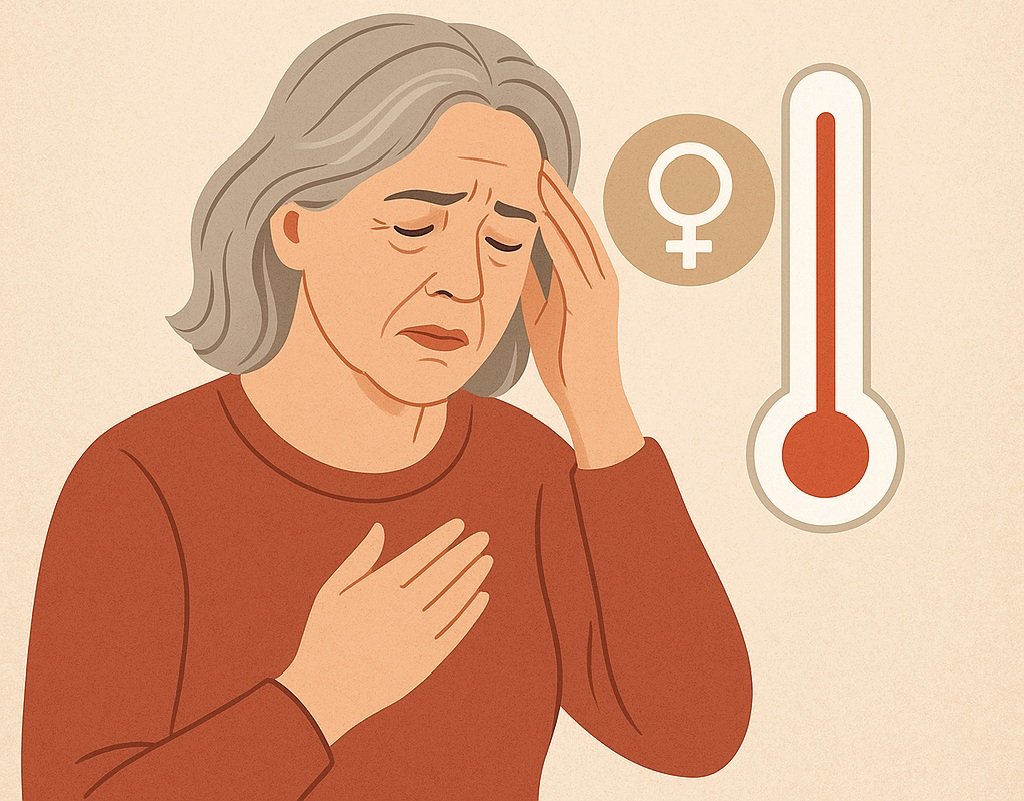
Definition of menopause
Menopause is defined as occurring 12 months after your last menstrual period and marks the end of menstrual cycles in women. Menopause can happen in women in their 40s or 50s, but the average age is of menopause for women is 51.
Menopause is a natural biological process. Although it also ends fertility, women can still stay healthy, vital and sexual. Some women feel relieved because they no longer need to worry about pregnancy. Even so, the physical symptoms, such as hot flashes, and emotional symptoms of menopause may disrupt sleep, lower energy or for some women trigger anxiety or feelings of sadness and loss.
Signs and symptoms of menopause
In the months or years leading up to menopause (referred to as peri-menopause), a woman might experience some or all of these signs and symptoms:
· Irregular periods
· Vaginal dryness
· Hot flashes
· Night sweats
· Sleep problems
· Mood changes
· Weight gain and slowed metabolism
· Thinning hair and dry skin
· Loss of breast fullness
It is possible, but very unusual, for a woman to menstruate every month right up to her last period. More likely, women experience some irregularity in their periods. Skipping periods during perimenopause is common and expected. Often, menstrual periods will occur every two to four months during perimenopause, especially one to two years before menopause. Despite irregular periods, pregnancy is possible. If a women skipped a period but aren’t sure she has started the menopausal transition, the most reasonable this to do is to seek the help of a doctor to determine whether the situation whether it is the menopausal transition or pregnancy.
Causes of menopause
Menopause can result from:
- Natural decline of reproductive hormones: As a woman approaches late 30s, her ovaries start making less estrogen and progesterone which are the hormones that regulate menstruation and her fertility declines. In her 40s, her menstrual periods may become longer or shorter, heavier or lighter, and more or less frequent, until eventually on average, by age 51 the monthly periods cease. An Obgyn can provide guidance and regular checkups during these changes.
- Primary ovarian insufficiency: About 1 percent of women experience menopause before age 40 (premature menopause). Menopause may result from primary ovarian insufficiency (when the ovaries fail to produce normal levels of reproductive hormones) resulting from genetic factors or disease. But often no cause can be found.
- Hysterectomy: A hysterectomy is a surgical operation that removes the uterus and/or the ovaries. Depending on the case, periods stop and the woman may experience hot flashes and other menopausal signs and symptoms, which can be severe, as these hormonal changes occur abruptly rather than over several years.
- Chemotherapy and radiation therapy: These cancer therapies can induce menopause, causing symptoms such as hot flashes during or shortly after the course of treatment. The halt to menstruation (and fertility) is not always permanent following chemotherapy, so birth control measures may still be desired.
Many of the signs and symptoms associated with menopause are temporary, so proper understanding and adequate management will help to reduce or prevent their effects. Management of some discomfort
associated with menopause are stated below:
associated with menopause are stated below:
- Cool hot flashes: Take a cold glass of water or go somewhere cooler. Try to pinpoint what triggers hot flashes. For many women, triggers may include hot beverages, caffeine, spicy foods, alcohol, stress, hot weather and even a warm room.
- Decrease vaginal discomfort. Use over-the-counter, water-based vaginal lubricants or moisturizers. Staying sexually active also helps by increasing blood flow to the vagina.
- Get enough sleep: Avoid caffeine, which can make it hard to get to sleep, and avoid drinking too much alcohol, which can interrupt sleep. Exercise during the day, although not right before bedtime.
- Practice relaxation techniques: Techniques such as deep breathing, massage and muscle relaxation can help relieve menopausal symptoms.
- Eat a balanced diet: Include a variety of fruits, vegetables and whole grains. Limit saturated fats, oils and sugars.
- Don’t smoke: Smoking increases the risk of heart disease, stroke, cancer and a range of other health problems. It may also increase hot flashes and bring on earlier menopause.
- Exercise regularly: Get regular physical activity or exercise on most days to help protect against heart disease, diabetes and other conditions associated with aging.