Key Takeaways
- Early dental care sets the foundation for lifelong oral health.
- Adolescents face unique challenges due to hormonal changes and lifestyle habits.
- Adults should prioritize regular dental check-ups and manage risk factors like diet and stress.
- Seniors need to address age-related dental issues and the effects of medications on oral health.
Oral health is deeply interconnected with overall well-being. A healthy mouth not only enables us to eat and speak comfortably but also plays a vital role in our confidence, appearance, and social interactions. As people move through different life stages, their dental care needs shift. Understanding these changes and adjusting oral hygiene routines accordingly can help protect smiles for a lifetime. Comprehensive approaches, including full mouth restoration, can also support lasting oral health when more advanced intervention is needed.
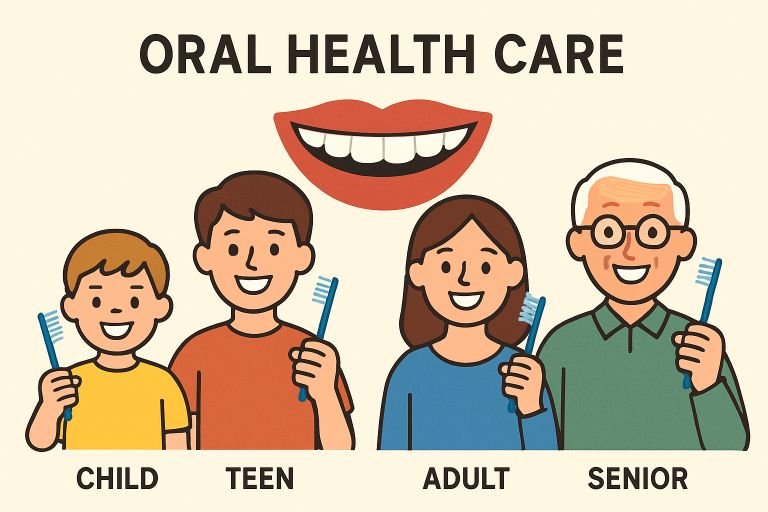
Children, teens, adults, and seniors each face unique oral health challenges and opportunities. The right preventive habits, formed early and adapted over time are the foundation for healthy teeth and gums at any age. Knowing which dental issues to watch for and how to respond to them helps achieve better outcomes while reducing the risk of pain and oral disease.
Regular dental visits, a healthy diet, and proper daily care make a significant difference. With advancing age, the impact of medications, chronic health conditions, and lifestyle factors becomes increasingly important, making professional guidance invaluable for maintaining oral health. Proactive steps at every stage prepare you for the next, creating a better path for lifelong well-being.
Infancy and Childhood
Early Habits for Healthy Smiles
For children, oral health begins even before the first tooth emerges. Gently cleaning an infant’s gums with a soft cloth after feeding helps establish oral hygiene early. As soon as primary teeth erupt, use a small, soft-bristled toothbrush with a smear of fluoride toothpaste. According to the American Dental Association, children should visit a dentist by their first birthday for an initial assessment and parental education. Early intervention is crucial because tooth decay affects nearly half of all children before age six, increasing the risk of early tooth loss and orthodontic concerns if left untreated.
Fostering positive experiences at the dentist and building daily routines helps children develop a healthy relationship with dental care. Encouraging regular brushing, limiting sugary snacks, and providing water instead of juice can significantly reduce the risk of cavities.
Adolescence
Managing Hormonal Changes and New Challenges
Teenagers experience significant hormonal changes during puberty, which can make gum tissue more sensitive and susceptible to inflammation, leading to gingivitis. Coupled with changes in diet, frequent snacking, and sometimes a lax approach to dental care, these factors can raise the risk for tooth decay and gum disease. Studies in Europe indicate that over 77 percent of adolescents are affected by caries, with gum bleeding present in 73 percent of this age group. Encouraging thorough brushing, flossing, and realistic goal-setting is key to promoting responsibility and preventing long-term damage.
Sports and orthodontic treatments (such as braces) are also more common in adolescence. Using custom mouthguards during sports protects teeth from injury, while special cleaning tools help maintain oral hygiene around orthodontic appliances.
Adulthood
Prioritizing Prevention and Managing Risks
As adults, consistent dental visits, every three, four, or six months as recommended, should remain a top priority. Dental caries remains highly prevalent among adults aged 20 to 59, affecting 40 to 90 percent of individuals across populations. Other risks include periodontal (gum) disease, influenced by stress, tobacco use, and dietary habits. Addressing these factors through lifestyle changes and professional care helps preserve oral and systemic health.
During adulthood, it is also important to monitor the effects of certain medications that may cause dry mouth. This condition increases the risk of tooth decay and requires specific strategies to manage, including increased hydration, chewing sugar-free gum, and selecting saliva substitutes when needed.
Senior Years
Adapting to Age-Related Dental Issues
Older adults face unique oral health challenges due to aging, chronic health conditions, and medication effects. Almost all adults aged 65 and older have experienced cavities, and many cope with untreated tooth decay or oral infections. Polypharmacy, or the use of multiple medications, can cause dry mouth, which heightens the risk for caries and gum problems. Seniors should brush with fluoride toothpaste, use interdental brushes or floss, and maintain regular dental appointments, ideally at least twice per year. Proper care of dentures, which includes nightly removal and soaking, is vital for comfort and infection prevention.
Staying hydrated and choosing foods that stimulate saliva flow, such as crunchy fruits and vegetables, can further support oral health in older adulthood. If dexterity issues arise, using adapted toothbrushes or electric options can ease daily care.
General Tips for All Ages
- Brush your teeth twice daily with a fluoride toothpaste.
- Floss or use interdental brushes once each day to clean between the teeth.
- Limit consumption of sugary foods and drinks.
- Schedule dental check-ups and cleanings at intervals recommended by your dentist.
- Wear mouthguards during contact sports to help prevent dental injuries.
- Maintain a balanced diet that supports overall and oral health.
Oral health is a lifelong journey that requires adapting routines as you age. With proactive care, awareness of risk factors, and support from dental professionals, it is possible to enjoy a healthy, confident smile throughout life.
Final Thoughts
Oral health is essential to overall well-being, as it affects comfort, appearance, confidence, and daily function. From infancy through senior years, each stage of life brings unique challenges that require tailored care and preventive strategies. Establishing healthy habits early, staying consistent with dental visits, and adapting routines to meet changing needs can protect teeth and gums for a lifetime. By combining professional guidance, proper hygiene, and mindful lifestyle choices, individuals can maintain strong, healthy smiles while minimizing the risk of pain, disease, and complications, ensuring oral health remains a cornerstone of lifelong wellness.