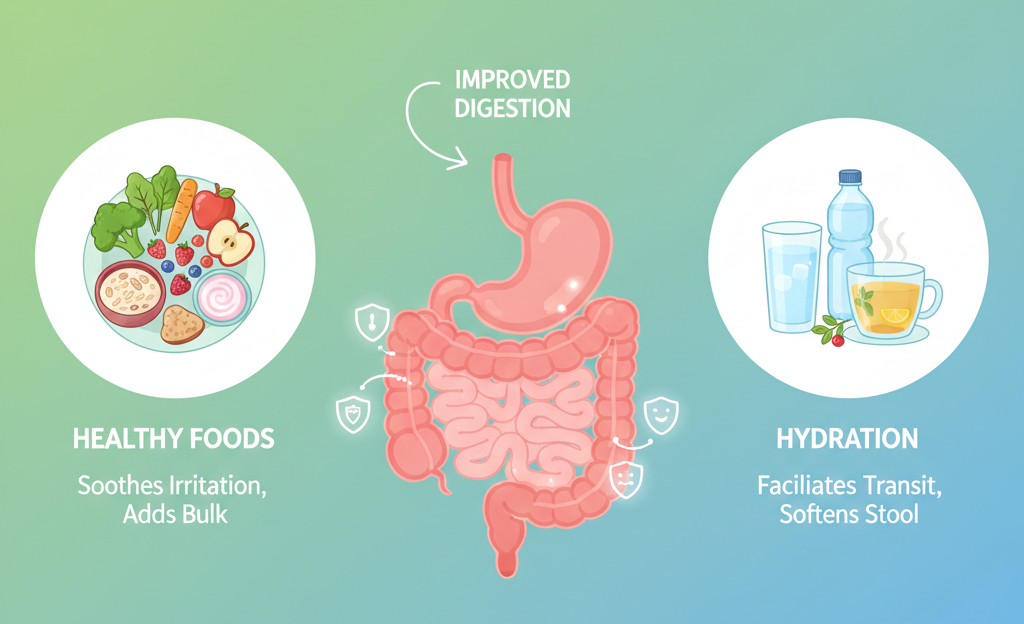
Gastrointestinal health affects almost all forms of general well-being. The digestive system plays vital roles in keeping the body alive by providing functions such as nutrient absorption, immunity and energy control. However, the issue of digestive wellness is disregarded until a person feels uncomfortable. Having realistic routines in everyday life helps to make a huge impression in being comfortable, routine, and strong.
Knowledge about how easy and regular routines can contribute to the long-term digestive health empowers people to avoid frequent diseases and increase the quality of life. Healthy eating habits based on balanced nutrition, proper hydration, fiber consumption, exercise, and conscious eating are the pillars of a healthy digestive system.
The Importance of Digestive Health
The digestive tract plays the role of digesting food to give out nutrients that power the body. Proteins, carbohydrates, fats, vitamins, and minerals have to be handled and absorbed in the right manner in order to aid the functioning of the cells. Effective digestion ensures the body has a consistent energy level, metabolic balance and the body has an effective immune system.
On the other hand, bad eating habits may also lead to bloating, constipation, indigestion, and constipation. With time, the patterns can become unhealthy and lead to a high risk of developing chronic digestive disorders. Prevention of habits can maintain a balance in the gastrointestinal system.
Nutrition, The Art and Science of Living Well
Balanced diet supplies the nutrients that are needed to maintain the digestive power and strength. Whole, minimally processed foods are full of fiber, enzymes and antioxidants that enhance efficiency in the gut.
Prioritize Whole Foods
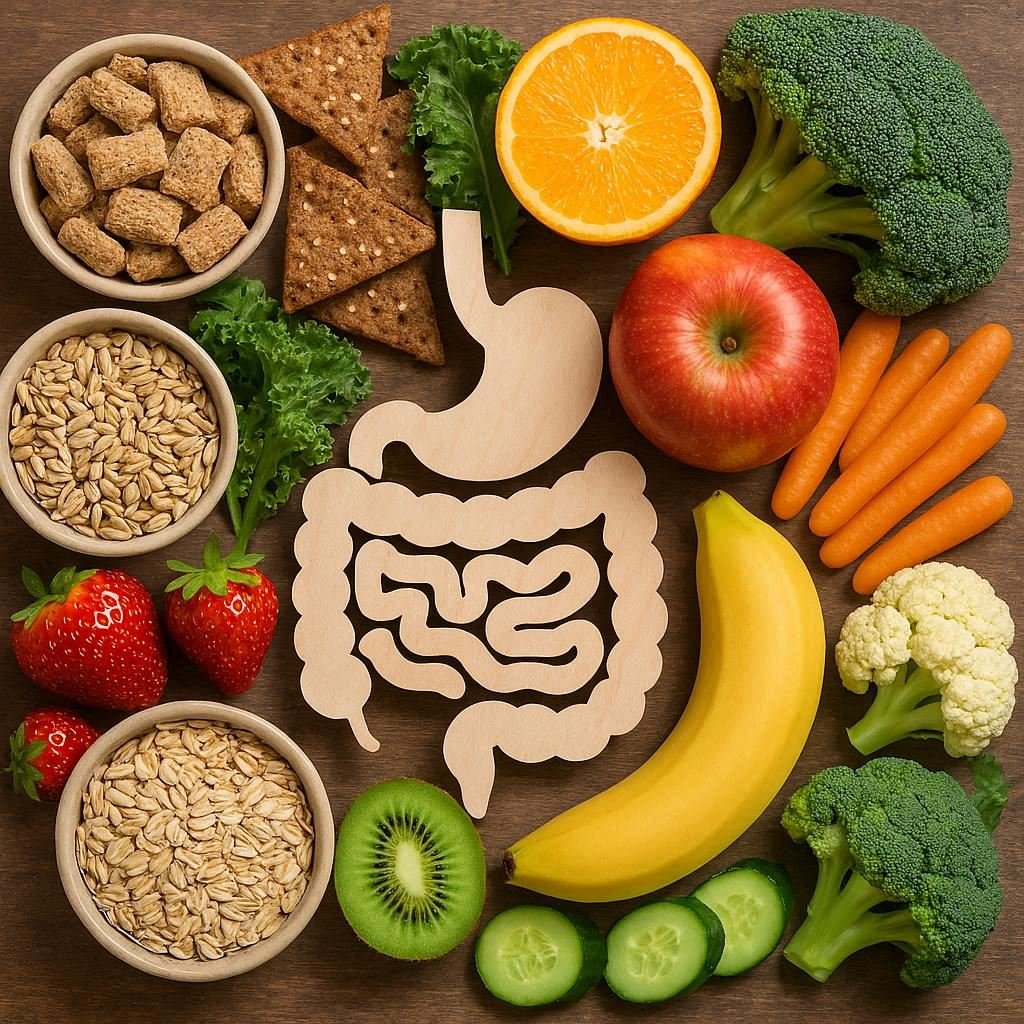
Natural fiber and phytonutrients which support intestinal movement are found in fruits, vegetables, whole grains, legumes, nuts, and seeds. Such foods aid in the control of bowel habits and nourish good intestinal bacteria.
Highly processed and refined foods are usually low in fiber, and may cause imbalance in microbes. Digestive strain can be minimized by reducing the consumption of excess sugar and saturated fats.
Add a Fitness of Nutrients
Variety in food options gives a chance to be exposed to a great variety of nutrients. The various plant foods contain distinct fibers that promote a healthy gut microbiome. Turning vegetables and whole grains will not cause monotony and increase adaptability in digestion.
Healthy fats and lean proteins are also a vital ingredient. Protein helps in repairing the tissues in the digestive tract and the healthy fats aid in absorption of nutrients.
Consumption of Fiber: Necessary to Regularity
One of the most essential substances of the digestive health is fiber. It helps in stool development, normal bowel movements and microbial diversity.
Soluble Fiber
The soluble fiber is soluble in water and forms a gel. This decreases the rate of digestion in the bowel slightly, which facilitates the absorption of nutrients better and regulates its bowel movements. Good sources include oats, apples, beans and lentils.
Insoluble Fiber
The insoluble fiber fills the stool and increases its speed of the intestinal passage. This kind of fiber is found in whole grains, leafy greens and seeds.
Incremental addition of fiber in the diet can be used to avoid discomfort. Fiber combined with adequate hydration improves its efficiency, and constipation is avoided.
Hydration: in Favor of Digestive Efficiency
Water plays an important role in the normal digestive process. It aids in the dissolution of the nutrients, waste, and keeping the stool soft.
Poor consumption of fluids can be a cause of slow digestive system and constipation. The regular consumption of water throughout the day facilitates bowel perforation and avoids discomfort because of dehydration.
Foods that contain water like cucumber and melons can also be used to meet the daily goals of hydration.
This is particularly important when the amount of fiber intake increases and one should maintain hydration. The absence of adequate fluids can result in bloating instead of relief of fiber.
Movement and Physical Exercise
Exercise will help to exercise the digestive tract muscles. Movement promotes the healthy contractions which draw the food inside the intestines.
Daily Moderate Exercise
To enhance circulation and movement of the bowel, one would walk, cycle, swim, or stretch. Even light after-meal walks can help to minimize bloating and enhance digestion.
Minimizing Sentimental Inactivity
Sedentary lifestyle can retard digestion. Free moving throughout the day helps in balancing metabolic and digestive systems.
Unity is preferable to vehemence. Regular moderate exercise promotes healthy digestive systems.
Mindful Eating: An influential but Neglected Practice
The manner in which food is eaten is as significant as the food one eats. Conscious eating lowers the pressure on digestion and improves the uptake of nutrients.
Get Eat Slow and Chew Thorough
The mouth is where the process of digestion starts. Food is well chewed to reduce the food to smaller particles that enable enzymes to act. Slow eating minimizes the chance of taking too much air and this may result in bloating.
Observing Cues of Hunger and Fullness
The excessive consumption of food imposes an overload on the stomach and intestines. Being aware of natural satiety cues avoids the discomfort and contributes to the equilibrium.
Minimize Interruptions at Mealtime
Distracted eating can result in quick eating and lack of portion control. Paying attention to the meals promotes higher levels of digestion and contentment.
The healthy lifestyle practices to maintain the gut and intestines
Stability is essential to long-term digestive health. Shorter-term changes can give minimal rewards without any long-term investment.
Make Meals at the same time
A consistent pattern of meals is beneficial to the regular digestive patterns. Missing meals or eating in an unbalanced way can cause imbalance of gut.
Manage Stress Effectively
The gut-brain connection affects the digestive functions of the body with stress. Prolonged stress can decelerate the digestion or cause the presence of sensitivity. Deep breathing or soft stretching are all forms of relaxation that can be used to maintain balance.
Prioritize Sleep
Sleep aids in repair of tissues and also in hormonal balance. Insufficient sleep can be a cause of gastrointestinal pain and abnormality.
Establishing consistent sleeping patterns is a supplement to other healthy behaviors.
Prevention of Digestive Disorders with the help of Daily Choices
Numerous widespread digestive diseases occur over an extended period. Unhealthy eating habits, lack of water and exercise can lead to constipation, acid reflux and bowel patterns of irritability.
Preventive care is preventive and not reactive lifestyle management. The selection of whole foods, hydration, and movement form a protective basis.
Even minor changes that are implemented on a regular basis tend to have a tremendous long-term outcome.
Identification of Early Warning Signs
Despite preventive measures, a few instances of stomach upsets are possible. Early symptoms should be identified to enable corrective intervention.
Common signs include:
- Persistent bloating
- Irregular bowel movements
- Frequent indigestion
- Excessive gas
Early intervention through changing diet/hydration status could bring sanity before the symptom progresses.
Creating an Effective Everyday Schedule
ATM, there is no need to radically change the way of life by incorporating digestive-supportive habits. The simplest structure could be:
- Beginning the day with water
- Eating foods containing fiber at every meal.
- Adding vegetables and whole grains into the menu.
- Having brief post-meal walks.
- Eating at a slow pace and without distraction.
Such actions which are manageable have long-term benefits.
Promoting Perpetual Comitence
Temporary dieting and extreme dieting do not lead to digestive wellness. It needs a consistent, long-term solution based upon the daily choices.
Eating a balanced diet, being hydrated, eating enough fiber, being physically active and eating mindfully are a complete approach. These practices support each other and make a person more vital.
Long term digestive health is a way of life and not a short-term objective. It is possible to make a person more resilient in digestive processes and improve his well-being through the prioritization of practical daily actions.
Conclusion
The digestive system is a healthy habit that needs to be done on a regular basis. Balanced nutrition is a source of vital nutrients and fiber. Proper hydration provides a smooth intestinal functioning. Frequent exercises facilitate the digestive mobility. Meditative eating leads to less strain, and increased absorption of nutrients.
The practices of living a sustainable lifestyle will prevent a great number of usual complications of the digestive system, as well as contribute to the general well-being. By adhering to simple everyday activities, one will be able to maintain long-term digestive health and enhance the quality of life.