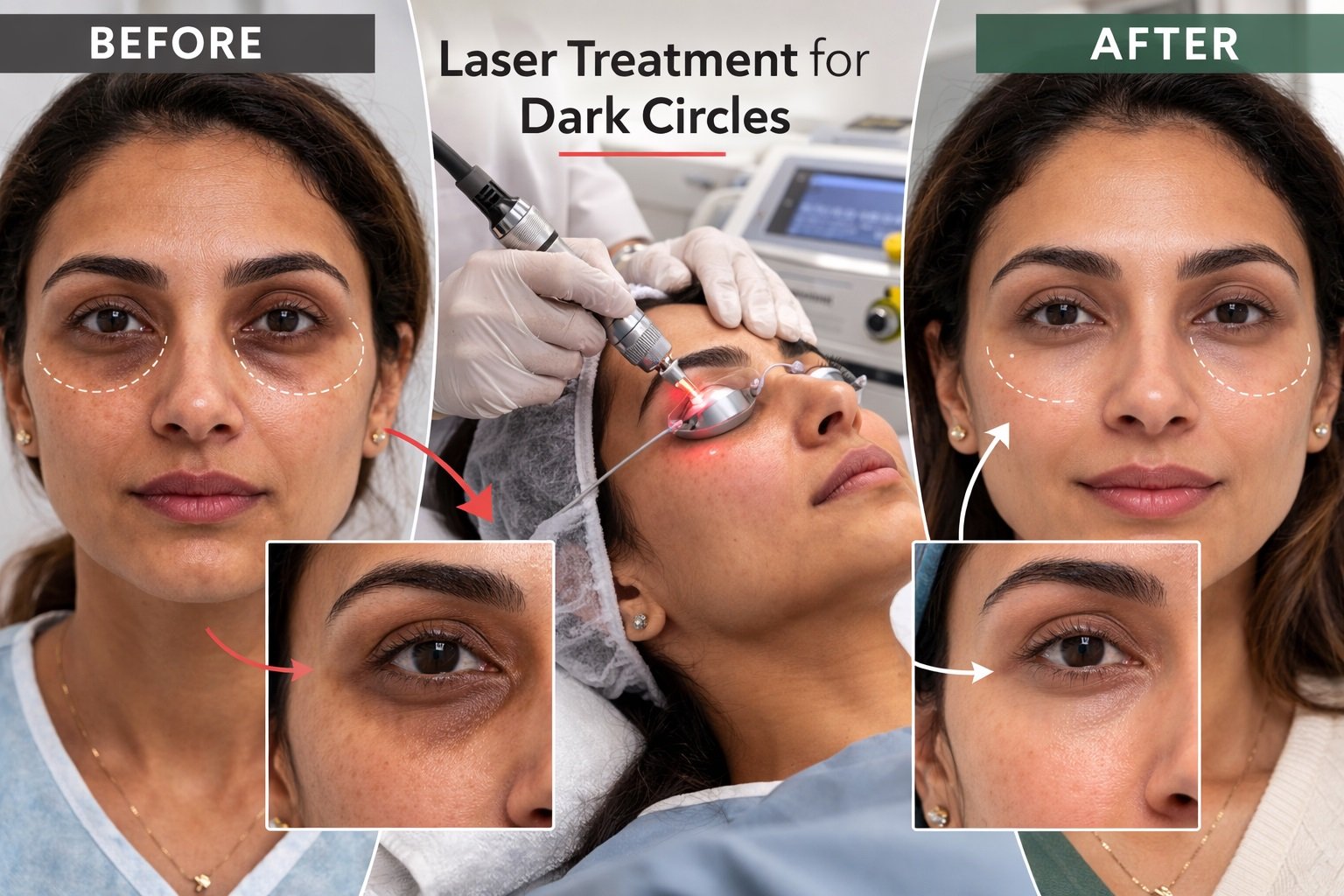
Dark circles under the eyes are common cosmetic concerns that can make a person appear tired, aged, or stressed even when they are well-rested. Many individuals try home remedies, creams, and lifestyle changes but still struggle to reduce pigmentation and under-eye hollowness. One increasingly popular solution is laser treatment for dark circles, which offers a targeted and effective approach to improving skin tone and texture around the eyes. This advanced dermatological procedure uses focused light energy to address pigmentation, thinning skin, and vascular issues that contribute to dark circles.
Understanding Dark Circles and Their Causes
Before exploring treatment options, it is important to understand why dark circles develop. They can be caused by several factors including genetics, lack of sleep, aging, sun exposure, allergies, dehydration, and thinning skin. In many cases, the delicate skin under the eyes becomes thinner over time, making blood vessels more visible and creating a darker appearance.
Hyperpigmentation is another major contributor, especially in individuals with medium to darker skin tones. Lifestyle habits such as excessive screen time, poor nutrition, and stress can further worsen the appearance of dark circles. Because multiple factors may be involved, a personalized treatment plan is often necessary for optimal results.
What Is Laser Treatment for Dark Circles
Laser treatment is a non-invasive or minimally invasive cosmetic procedure that uses concentrated light beams to improve skin quality and reduce pigmentation under the eyes. Dermatologists use specific laser technologies to target melanin deposits, stimulate collagen production, and improve blood circulation in the treated area.
Different types of lasers, such as fractional lasers, Q-switched lasers, and pulsed dye lasers, may be used depending on the root cause of the dark circles. These lasers work by penetrating the skin layers and breaking down pigment while encouraging skin regeneration. Over time, this leads to brighter, smoother, and more even-toned under-eye skin.
How the Procedure Works
The laser treatment process usually begins with a consultation with a qualified dermatologist or cosmetic specialist. During this session, the doctor evaluates the type of dark circles, skin type, medical history, and treatment expectations. This assessment helps determine the most suitable laser technology and number of sessions required.
On the day of the procedure, the under-eye area is cleansed thoroughly, and a topical numbing cream may be applied to minimize discomfort. The laser device is then gently directed at the targeted area, delivering controlled pulses of light energy. Each session typically lasts between 15 to 30 minutes, making it a convenient option for individuals with busy schedules.
Most patients describe the sensation as mild warmth or slight tingling rather than pain. After the session, a soothing gel or cold compress may be applied to calm the skin and reduce temporary redness.
Types of Laser Treatments Used
There are several types of laser treatments commonly used for dark circles, each designed to address specific concerns:
- Fractional Laser: Stimulates collagen production and improves skin thickness, making dark circles less visible.
- Q-Switched Laser: Targets pigmentation and helps lighten dark patches under the eyes.
- Pulsed Dye Laser: Effective for vascular dark circles caused by visible blood vessels.
- Carbon Laser Peel: Enhances skin texture and brightness while reducing pigmentation.
The choice of laser depends on whether the dark circles are due to pigmentation, vascular visibility, or structural changes in the skin.
Benefits of Laser Treatment for Dark Circles
Laser therapy offers numerous advantages compared to topical cream and home remedies. One of the main benefits is precision. The laser targets only the affected area without damaging surrounding tissues, ensuring safer and more controlled results.
Another key advantage is long-lasting improvement. While creams may offer temporary results, laser treatment works at a deeper skin level to address the root cause. It also boosts collagen production, which helps in skin rejuvenation and reduces fine lines along with dark circles.
Additionally, the procedure is non-surgical and requires minimal downtime. Most individuals can resume their daily activities within a day, making it an appealing option for working professionals.
Who Is an Ideal Candidate
Laser treatment is suitable for individuals who have persistent dark circles that do not respond to topical treatments or lifestyle changes. Ideal candidates include those with pigmentation-related dark circles, mild skin laxity, or thin under-eye skin.
However, it may not be recommended for people with active skin infections, severe eczema, or certain medical conditions affecting skin healing. Pregnant women and individuals with extremely sensitive skin should consult a specialist before undergoing the procedure.
Preparation before the Treatment
Proper preparation can significantly enhance the effectiveness of the treatment. Patients are usually advised to avoid sun exposure, tanning, and harsh skincare products for at least one to two weeks before the session. Using sunscreen regularly and keeping the skin hydrated is also essential.
Doctors may recommend stopping certain medications or treatments that can increase skin sensitivity. It is equally important to avoid alcohol and smoking before the procedure, as they can slow down the healing process.
Recovery and Aftercare
One of the biggest advantages of laser treatment is its relatively quick recovery period. Mild redness, swelling, or sensitivity in the treated area is common and usually subsides within a few days. Applying a cold compress and using dermatologist-approved moisturizers can help soothe the skin.
Patients are advised to avoid direct sun exposure and always apply a high-SPF sunscreen to protect the delicate under-eye area. Makeup should be avoided for at least 24 hours post-treatment, and gentle skincare products should be used during the recovery phase.
Consistent aftercare and following medical advice play a crucial role in achieving the best results and preventing recurrence of dark circles.
Expected Results and Number of Sessions
Results from laser treatment are gradual and become more noticeable after multiple sessions. Most individuals require 3 to 6 sessions spaced a few weeks apart for optimal improvement. After completing the treatment plan, the under-eye area appears brighter, smoother, and more youthful.
While laser therapy significantly reduces dark circles, maintenance sessions may be recommended depending on lifestyle, aging, and genetic factors. A healthy lifestyle, proper sleep, and skincare routine can prolong the results.
Potential Risks and Side Effects
Like any cosmetic procedure, laser treatment carries some minor risks, although serious complications are rare when performed by an experienced professional. Temporary redness, slight swelling, and mild irritation are the most common side effects.
In rare cases, hyperpigmentation or skin sensitivity may occur, especially in individuals with darker skin tones if the wrong laser type is used. Choosing a qualified and experienced dermatologist greatly reduces these risks and ensures safe treatment.
Cost of Laser Treatment for Dark Circles
The cost of laser treatment varies depending on factors such as clinic reputation, type of laser technology, number of sessions required, and geographical location. While it may seem more expensive than creams or home remedies, it is often considered a worthwhile investment due to its effectiveness and long-term benefits.
Many clinics offer customized packages that include multiple sessions and follow-up consultations, making the treatment more accessible and cost-effective over time.
Laser Treatment for Dark Circles
Laser treatment has emerged as one of the most effective and advanced solutions for reducing dark circles and rejuvenating the under-eye area. By targeting pigmentation, improving collagen production, and enhancing skin quality, it provides visible and long-lasting results. With minimal downtime, customizable treatment plans, and scientifically backed effectiveness, laser therapy continues to gain popularity among individuals seeking a safe and reliable cosmetic solution.
However, the key to successful outcomes lies in proper diagnosis, professional consultation, and consistent aftercare. When performed by a qualified specialist, laser treatment can significantly enhance facial appearance, restore confidence, and help individuals achieve brighter, more youthful-looking eyes.
Maya Sinclair is a professional health and aesthetic dermatology writer specializing in laser treatment for dark circles, under-eye rejuvenation, and non-invasive cosmetic procedures. She focuses on translating clinical skincare and laser technology concepts into clear, informative content that helps readers understand treatment effectiveness, safety, and suitable options for under-eye concerns.