1. Introduction to Koriandri
Koriandri, also called coriander or cilantro, is one of the most ancient and versatile herbs known to humankind. It has been used for over 3,000 years in culinary, medicinal, and ritualistic practices. Today, Koriandri is recognized not only for its distinct citrusy aroma and flavor but also for its powerful health benefits.
From detoxification to skin health, digestion, and even stress reduction, Koriandri has become a superfood in modern diets. Whether in seed, leaf, or powder form, Koriandri is used globally for cooking, herbal remedies, and wellness routines. This comprehensive guide explores every aspect of Koriandri, making it a must-read for health enthusiasts, cooks, and natural remedy seekers alike.
2. What is Koriandri?
Koriandri (Coriandrum sativum) belongs to the Apiaceae family and is native to the Mediterranean and Western Asia. Archaeological evidence shows its presence in ancient Egypt, where it was used for embalming and culinary purposes.
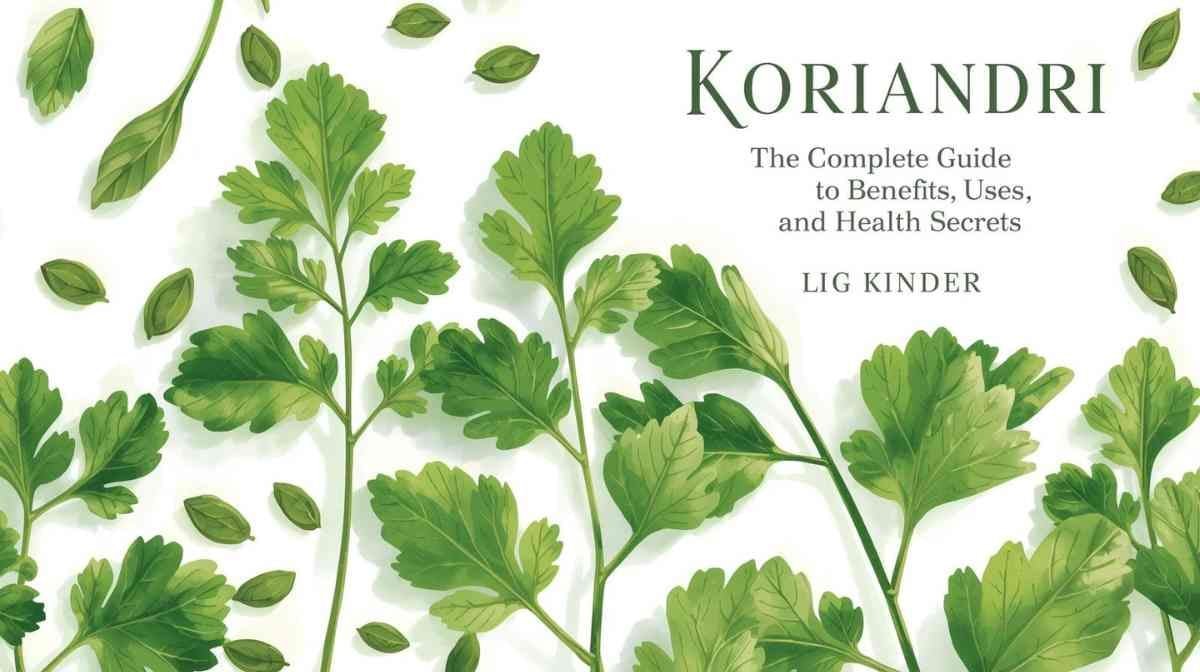
Koriandri is an annual herb with bright green leaves, slender stems, and small round seeds. It is a unique herb because every part of the plant has a use:
- Leaves: Fresh, aromatic, used for garnishing and salads
- Seeds: Used in curries, soups, and as a digestive aid
- Powder: Easy to store and cook with
- Root: Used in Southeast Asian cuisine for soups and curries
The versatility of Koriandri is unmatched. Unlike other herbs, it provides both culinary pleasure and medicinal benefits in every form.
3. Nutritional Profile of Koriandri
Koriandri is a nutritional powerhouse. Here’s a detailed breakdown:
3.1 Macronutrients (Per 100g of fresh leaves)
- Calories: 23
- Carbohydrates: 3.7g
- Protein: 2.1g
- Fiber: 2.8g
- Fat: 0.5g
3.2 Vitamins
- Vitamin A: Supports vision and immunity
- Vitamin C: Boosts immunity and skin health
- Vitamin K: Promotes bone strength and blood clotting
- B-complex vitamins: Aid metabolism and energy
3.3 Minerals
- Potassium: Regulates blood pressure
- Calcium: Supports strong bones
- Iron: Prevents anemia
- Magnesium: Maintains nerve and muscle function
3.4 Bioactive Compounds
- Linalool: Antioxidant and anti-inflammatory
- Quercetin: Fights free radicals
- Beta-carotene: Supports eye and skin health
Fun fact: Koriandri seeds contain essential oils that help combat bacterial infections, making them more than just a spice—they’re nature’s medicine.
4. Types of Koriandri and Their Uses
4.1 Fresh Leaves
- Best in salads, chutneys, and garnishes
- Retain maximum nutrients and antioxidants
- Can be blended into smoothies for a natural detox
4.2 Seeds
- Used as whole or crushed in cooking
- Excellent for digestion and liver detox
- Can be brewed into tea for bloating and gas relief
4.3 Powder
- Easy to store for months
- Enhances curries, sauces, and baked dishes
- Rich in flavor when roasted before grinding
4.4 Essential Oil
- Extracted via steam distillation
- Used in aromatherapy for stress relief
- Can be applied topically (diluted) for skin issues
4.5 Root
- Popular in Thai cuisine
- Adds earthy flavor to soups and curries
- Known for anti-inflammatory benefits
5. Health Benefits of Koriandri
Koriandri is not just a culinary herb; it is a functional food with scientifically-backed benefits.
5.1 Improves Digestion
- Stimulates digestive enzymes
- Reduces bloating, constipation, and acidity
- Koriandri tea: Boil 1 tsp seeds in water, strain, and drink
5.2 Supports Heart Health
- Lowers LDL cholesterol
- Reduces blood pressure
- Improves circulation and cardiovascular function
5.3 Controls Blood Sugar
- Improves insulin sensitivity
- Reduces blood sugar spikes
- Ideal for diabetics
5.4 Boosts Immunity
- Rich in Vitamin C and antioxidants
- Protects against infections and inflammation
5.5 Detoxification
- Binds to heavy metals like lead and mercury
- Supports liver and kidney function
5.6 Enhances Skin Health
- Antioxidants reduce acne and wrinkles
- Koriandri paste applied topically soothes skin
- Rich in Vitamin C, improving collagen production
5.7 Anti-Inflammatory Properties
- Reduces joint pain and swelling
- Beneficial for arthritis and chronic inflammation
5.8 Weight Management
- Low in calories, high in fiber
- Promotes satiety
- Boosts metabolism
5.9 Anti-Bacterial and Anti-Fungal
- Kills harmful bacteria
- Protects the digestive system
- Helps fight fungal skin infections
6. Culinary Uses of Koriandri
Koriandri is used globally, in ways both traditional and modern:
6.1 South Asian Cuisine
- Curries, biryanis, lentil dishes
- Fresh leaves in chutneys
6.2 Middle Eastern Dishes
- Spice blends like za’atar
- Salads, meat, and kebabs
6.3 Latin American Cuisine
- Salsas, tacos, guacamole
6.4 European Dishes
- Soups, stews, baked bread
6.5 Modern Uses
- Smoothies, detox drinks
- Garnishes for beverages
- Vegan sauces and dips
Tip: Roasting Koriandri seeds before grinding increases their flavor intensity significantly.
7. Koriandri Tea and Its Benefits
Koriandri tea is a natural herbal drink.
Preparation: Boil 1 tsp Koriandri seeds in 2 cups of water for 10 minutes, strain, and drink.
Benefits:
- Aids digestion
- Relieves bloating
- Reduces stress
- Supports weight loss
Variation: Add a pinch of cinnamon or ginger for extra flavor and health benefits.
8. Medicinal Uses of Koriandri
8.1 Ayurvedic Perspective
- Balances Vata and Pitta doshas
- Promotes digestion and detoxification
8.2 Traditional Chinese Medicine
- Cooling herb for liver and stomach
- Improves appetite and reduces inflammation
8.3 Home Remedies
- Koriandri water for bloating and constipation
- Koriandri paste for skin infections and acne
- Koriandri tea for detox and relaxation
9. Koriandri for Weight Loss
- Koriandri reduces fat accumulation by enhancing metabolism
- Daily Koriandri water helps regulate blood sugar and appetite
- Can be combined with lemon for better detox effects
10. How to Grow Koriandri at Home
- Plant in well-drained soil
- Moderate sunlight
- Regular watering but not waterlogging
- Harvest leaves at 4–6 inches for maximum freshness
- Can grow indoors in pots for year-round supply
11. Buying and Storing Koriandri
- Leaves: Bright green, crisp
- Seeds: Firm, aromatic
- Powder: Store airtight in a dark, dry place
- Extend freshness by wrapping leaves in a damp cloth and refrigerating
12. Side Effects and Precautions
- Overconsumption may cause digestive discomfort
- Rare allergic reactions possible
- Pregnant women should use moderate amounts
- Consult a doctor if taking medications affecting blood sugar or blood pressure
13. Koriandri vs Other Herbs
| Herb | Flavor | Best Use | Health Benefits |
| Koriandri | Citrusy, fresh | Curries, salads | Digestion, immunity, detox |
| Parsley | Mild, earthy | Garnishes | Antioxidants, vitamins |
| Mint | Cool, refreshing | Drinks, desserts | Digestion, fresh breath |
| Cumin | Warm, earthy | Curries, spice blends | Digestion, weight management |
14. FAQs About Koriandri
Q: Can I eat Koriandri daily?
A: Yes, moderate daily consumption is safe.
Q: Is Koriandri good for weight loss?
A: Absolutely, it aids metabolism and satiety.
Q: Can Koriandri improve skin?
A: Yes, it reduces acne, wrinkles, and improves skin glow.
Q: Does Koriandri lower blood sugar?
A: Yes, it improves insulin sensitivity and sugar regulation.
15. Conclusion
Koriandri is much more than a culinary herb. With its rich nutrients, antioxidants, and medicinal properties, it improves digestion, supports immunity, detoxifies the body, enhances skin health, and aids weight management. Including Koriandri in your daily diet—whether as fresh leaves, seeds, powder, or tea—can significantly boost your overall health while adding flavor to meals.For anyone seeking natural wellness and healthy cooking, Koriandri is truly an indispensable herb.