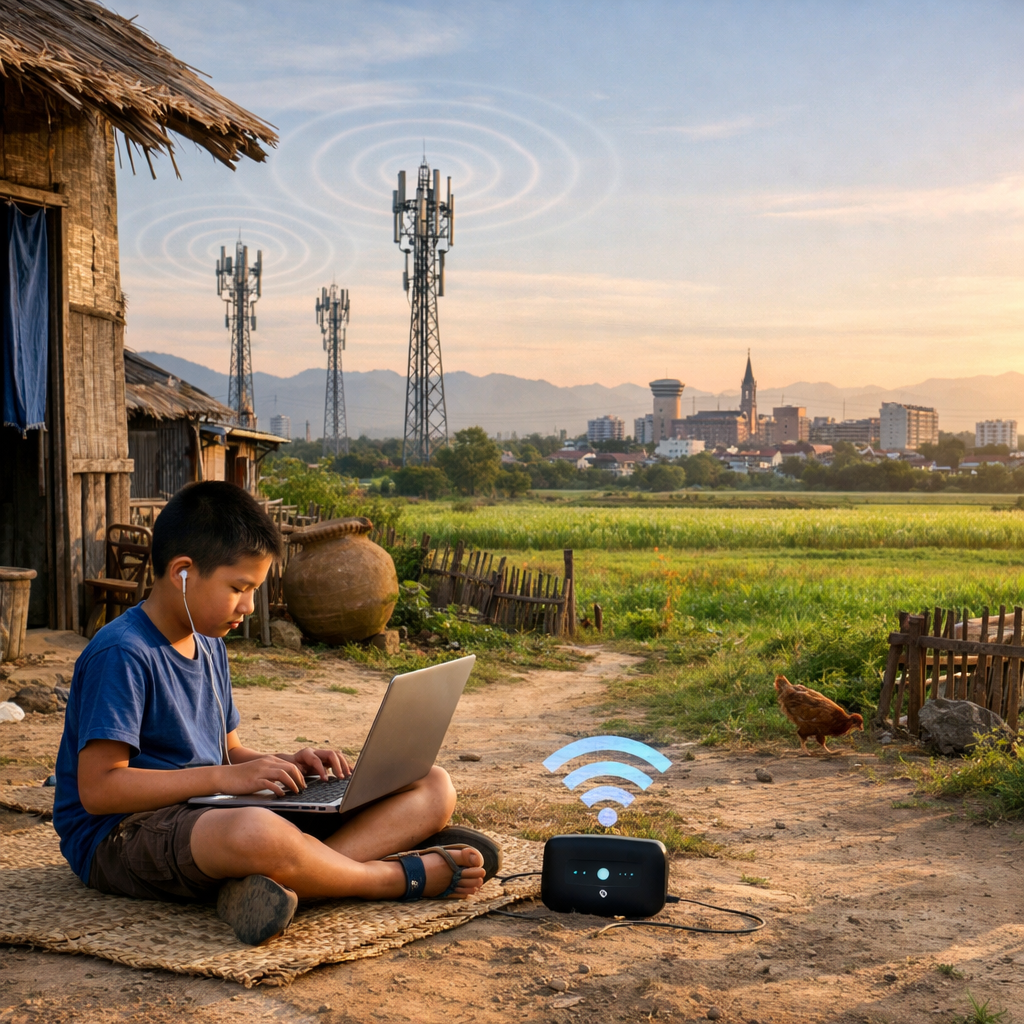
The Internet has become an essential part of socio-economic development in the contemporary globalized society. When there is a high rate of Internet penetration, often the countries undergo faster economic growth, improved educational systems, and social inclusion. On the other hand, the areas that are not so well-connected find it hard to become active members of the world economies, increasing the digital divide. It is important to know how Internet development and socio-economic growth can be related, particularly in developing territories where the digital divide is frequently caused by infrastructure disparities, cost barriers, and governmental restrictions.
Connection between Internet Development and Socio-Economic Growth
Internet has changed the way societies operate and it has impacted commerce, communication, education, medical care, and government. It has a many-sided contribution to socio-economic development. This is a well known fact that Internet connectivity is closely correlated with the economic development, especially in the developing economies.
Internet access helps small businesses to connect to the world market, support distance learning, enhance provision of healthcare services via telemedicine, and support government transparency by means of digital government. Farmers are able to receive real-time data on the market, weather forecasts and best practices, enhancing productivity and earnings. Business individuals are able to market goods abroad without the physical outlets of shops and pupils are able to access learning materials that decrease skill-disparities in the labor market.
It has been found out that the growth of GDP in developing countries can increase by about 1.3 percent with every 10 percent increment in the broadband penetration. It shows that the creation of the Internet is not only technological, but a highly essential factor in the economic and social development.
Internet Development Problems in the Developing World
Internet development in most developing areas has a number of challenges despite the potential. These are infrastructure gaps, affordability concerns, policy constraints, and socio-cultural constraints.
Infrastructure Gaps
A physical infrastructure is also a huge limiting factor. Countries rural zones usually do not have fiber-optic cables, stable electricity, and mobile network towers, whereas the networks in cities can be not modern and fast. It is expensive to maintain and build networks especially in scattered communities and therefore governments do not want to spend a lot of money on them. In sub-Saharan Africa, such as, almost 60 percent of the rural regions do not have a basic broadband infrastructure.
Affordability
The high costs are experienced even in the presence of infrastructure. The subscription charges, data plan, and the use of devices such as smartphones or computers can cost a lot of money to the household income. Exorbitant expenses force students to miss online education and small entrepreneurs to go online. In certain African nations, 1GB of mobile data may be more than 5 percent of monthly average income, which is way above the goal of 2 percent by the UN Broadband Commission.
Policies and Regulatory Restrictions
Limiting regulations, monopoly, and red tape discourage network growth. There is a tendency to have weak digital literacy and cybersecurity rules that make users have less trust. Censorship is also experienced in some countries and this discourages investment and restricts access to information.
Socio-Cultural Barriers
The access to the Internet depends on cultural norms, low literacy levels, and gender inequality. In some areas, many women and girls are limited to the use of technology. Low digital literacy may become an obstacle to successfully use online resources either in education, healthcare, or business, even with access.
Bridging the Digital Divide Strategies
The digital divide needs concerted actions by governments, business corporations, and international bodies. Strategies that can work incorporation of:
Expanding Infrastructure
It is necessary to invest in fiber-optic networks, mobile coverage, and open Wi-Fi hubs. Developed solutions such as satellite Internet, low-earth orbit constellation (LEO) and mesh networks are able to access distant locations. Some firms such as Starlink and OneWeb are already offering satellite-based connectivity to underserved areas to enable communities to take part in global markets.
Affordable Internet Access
It is possible to reduce costs by the use of competitive markets, subsidies, zero-rated services, and community Wi-Fi centers so that there can be fair access. An example of this is the Digital India program in India that offers cheap connectivity and Internet hotspots in public places, enabling the rural population to receive digital information.
Policy and Regulatory Changes
The policy and regulatory changes are of great importance in this context.
Future-oriented policies are in support of competition, fewer bureaucratic obstacles, and advance digital literacy and cybersecurity. Another way that the governments can encourage innovation is through the incentives that are given to local startups and e-commerce development. The cooperation of countries in the transfer of data, digital trade, and cybersecurity is beneficial to include developing regions in the global digital economy.
Capacity Building and Digital Literacy
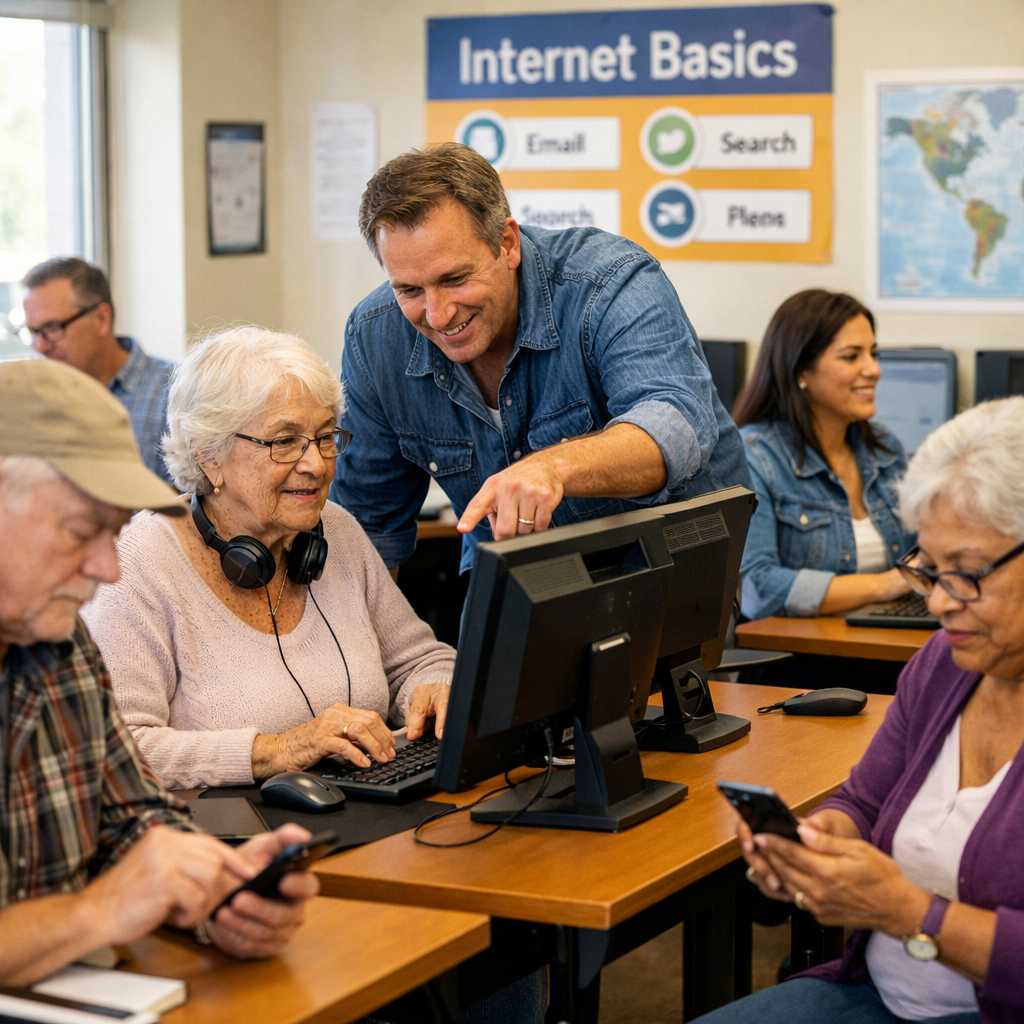
It is not just enough to be able to access it. Digital literacy initiatives provide people with the ability to utilize the Internet in a safe and efficient way. The ability of Internet access to be converted into actual economic gains is through capacity-building programs to small business owners, farmers and entrepreneurs. Digital literacy projects have empowered rural women in Kenya to adopt mobile banking and e-commerce and earn more money and be more financially independent.
Inclusive Technologies
The mobile based solutions, cloud computing and low bandwidth applications enable users who have very low connectivity to access vital services. Healthcare in the remote areas is delivered through telemedicine apps, and financial inclusion is enhanced through mobile banking apps. Technology can also reach the low-literacy population with the help of AI and voice interfaces.
Digital Inclusion Case Studies
The differences between the Internet access and socio-economic development are proved in several countries:
• Rwanda: The Smart Rwanda project invested in country-wide fiber-optic and digital literacy initiatives, incubated ICT startups and provided e-government.
• Bangladesh: Mobile banking such as bKash have reached out to millions of unbanked citizens with financial services.
• Kenya: M-Pesa platform transformed the concept of financial inclusion so that rural populations that cannot access financial services can send and receive cash, pay bills, and take microloans.
These examples demonstrate that policy, investment and innovation can make Internet access a valuable source of socio-economic development.
Socio-Economic Payoffs to Digital Divide Bridging
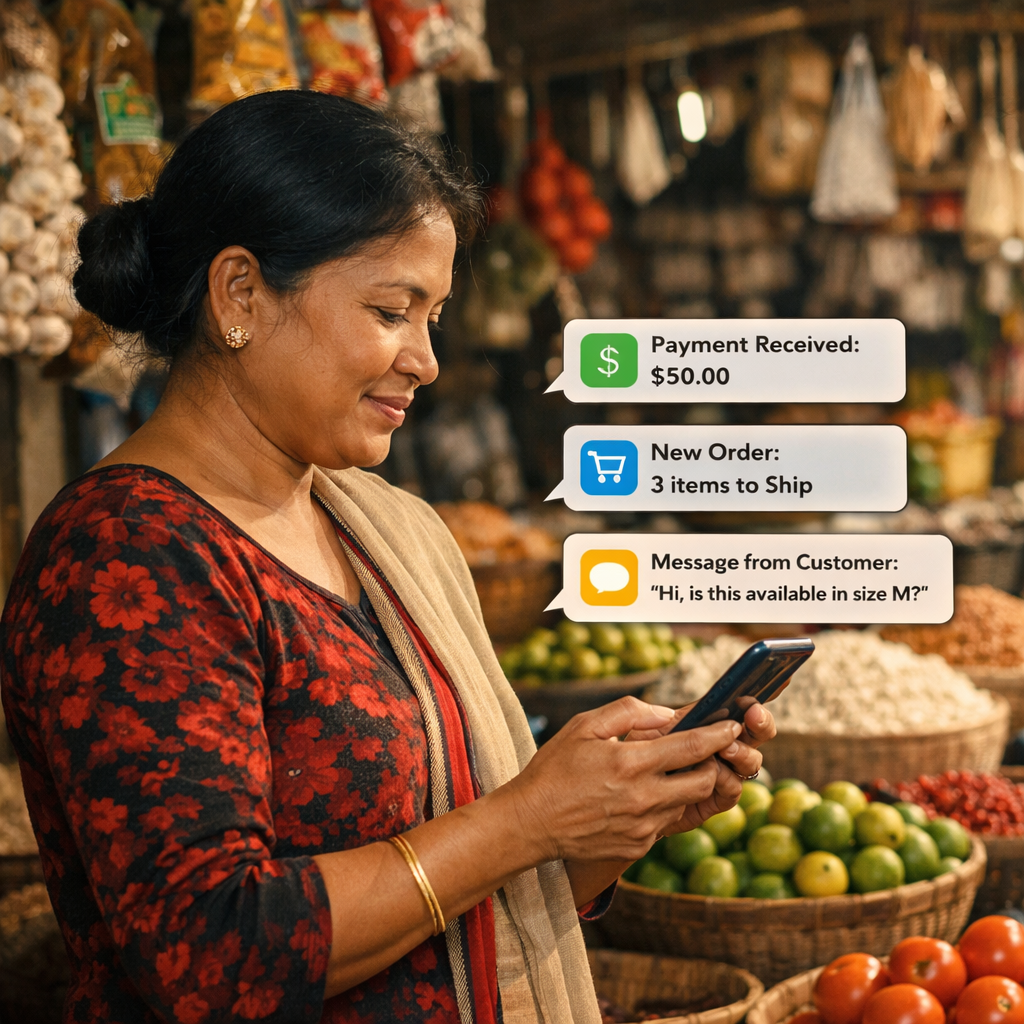
The solution to digital divide has several advantages:
• Economic Growth: By expanding online business, global market accessibility and investment attraction is attracted to entrepreneurs. Telecommuting possibilities are more.
• Education: The learners have access to e-learning platforms and digital classrooms, as well as research resources, which enhance literacy and employment rates.
• Medical: Digital health and telemedicine enhance access to care.
• Social Inclusion: Disadvantaged communities are involved in economic, social and political activities.
• Government Efficiency: E-governance will minimize corruption, improve transparency and streamline service delivery.
Equal Internet connectivity can help developing areas to break the traditional developmental barriers leading to boost and inclusive development.
Prospects Future: New Technology
New technologies like 5G, AI, blockchain, and satellite Internet will enhance further digital inclusion because 5G technologies will make networks faster and allow more advanced applications such as smart agriculture and remote healthcare. Blockchain provides safe online financial, land registration, and supply chain management services. Connections between remote locations will also be bridged by satellite and drone-based networks.
To make these innovations advantageous to every population, the planning process and such policies must be inclusive and aimed at avoiding a new digital divide between the population that can access and use advanced technologies and those that cannot.
Conclusion
Internet access has ceased to be a choice- it is now necessary to social-economic development in the 21 st century. The developing countries encounter problems such as lack of infrastructure, high cost, lack of regulations, and socio-cultural restrictions. Nevertheless, the digital divide can be overcome with strategic investments in infrastructure, low costs and access, policy changes, digital literacy, and inclusive technologies.
Internet development has a direct connection with socio-economic growth. Governments and stakeholders can open the doors to economic prosperity, education, healthcare and social inclusion by providing equal opportunities to access and utilize them. Digital Divide bridging will enable the societies to succeed in the digital world.