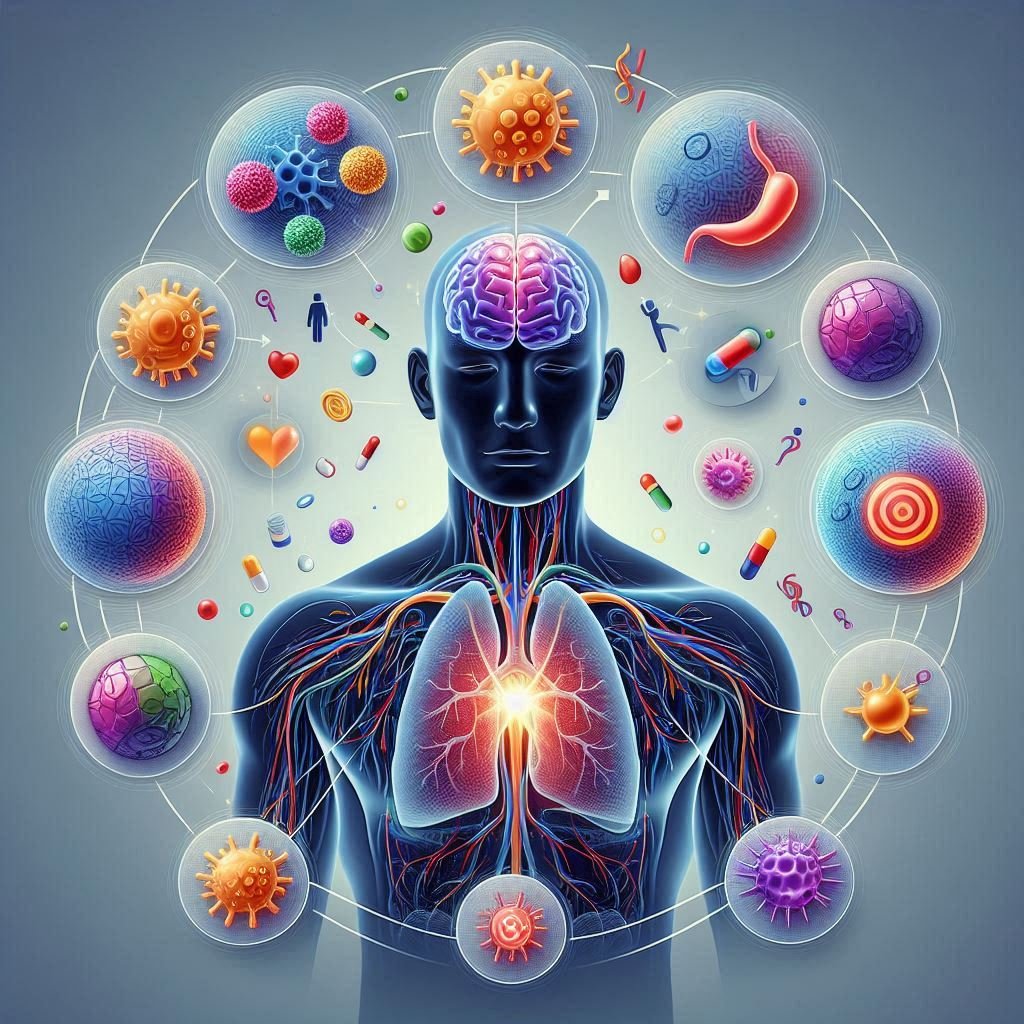
Hair loss is one of the most common concerns among individuals worldwide, affecting both men and women. It is a condition that can significantly impact self-esteem, confidence, and overall well-being. As a result, millions of people turn to hair transplant clinics for procedures every year to restore their hair and, in turn, their sense of self. However, despite the advancements in hair restoration treatments, the results can sometimes be unpredictable, and the process lacks personalization. This is where the integration of molecular pathology into hair transplantation comes into play, paving the way for more targeted, effective, and personalized treatments.
The Evolution of Hair Transplantation
Traditional hair transplant techniques such as follicular unit extraction (FUE) and follicular unit transplantation (FUT) have been around for decades. These methods involve the removal of healthy hair follicles from one area of the scalp (usually the back or sides) and transplanting them to the areas experiencing thinning or hair loss. While these methods have shown great results, they are not without limitations. The success of these procedures often depends on various factors, including the patient’s hair type, the skill of the surgeon, and the extent of hair loss.
Over the years, researchers have increasingly realized that hair loss is not merely a cosmetic issue but a complex biological process influenced by genetic and molecular factors. As our understanding of the molecular mechanisms behind hair loss deepens, personalized medicine emerges as a powerful approach to hair restoration.
Understanding Molecular Pathology in Hair Restoration
Molecular pathology is a branch of pathology that focuses on studying diseases at the molecular level, often by analyzing DNA, RNA, and proteins. It helps researchers and clinicians understand the molecular and genetic underpinnings of various health conditions. In the context of hair restoration, molecular pathology involves understanding the genetic factors, molecular signaling pathways, and cellular processes involved in hair follicle development, hair growth, and hair loss.
By utilizing molecular pathology techniques, such as next-generation sequencing (NGS) and polymerase chain reaction (PCR), clinicians can gather crucial information about the molecular mechanisms responsible for hair loss. This knowledge can help identify genetic predispositions to hair thinning, detect molecular changes that affect hair follicles, and even predict how patients will respond to different hair restoration treatments.
The Role of Molecular Pathology in Hair Transplantation
Genetic Profiling of Hair Follicles
One of the most groundbreaking advancements in molecular pathology is genetic profiling. By analyzing the DNA within hair follicle cells, clinicians can identify specific genetic markers associated with hair loss. This information allows for a deeper understanding of why a person may experience hair thinning or balding. With the identification of key genetic markers, doctors can provide a more personalized diagnosis and treatment plan.
For example, androgenetic alopecia (commonly known as male or female pattern baldness) is primarily caused by a genetic predisposition, and the androgen receptor gene plays a significant role in this condition. By identifying variations in this gene, clinicians can determine the best course of action for patients suffering from this form of hair loss.
Identification of Molecular Pathways Involved in Hair Loss
Hair loss is not just the result of one factor; it is a complex process influenced by multiple molecular pathways. A prominent example of this is the androgen receptor pathway, which is central to the development of androgenetic alopecia. Molecular pathology enables the identification of the specific genes and proteins involved in this and other molecular pathways, providing insights into the root causes of hair loss.
For instance, scientists have discovered that the Wnt/β-catenin signaling pathway plays a critical role in the growth and regeneration of hair follicles. By studying the genes involved in these pathways, researchers can develop targeted therapies to block or activate these pathways, promoting hair growth and preventing further hair loss.
Personalized Treatment Plans Based on Molecular Insights
Personalized medicine, which tailors medical treatment to the individual characteristics of each patient, is the future of healthcare. In the context of hair restoration, this means that doctors can create treatment plans based on a patient’s genetic profile, molecular markers, and the specific type of hair loss they are experiencing.
For example, if a patient’s genetic testing reveals a deficiency in certain growth factors or signaling molecules, the doctor may recommend treatments that target those specific pathways. Likewise, if a patient’s hair loss is linked to hormonal imbalances, such as excess androgens in the case of androgenetic alopecia, medications or therapies that balance these hormones can be recommended as part of the treatment plan.
Regenerative Medicine and Stem Cell Therapy
Molecular pathology also plays a crucial role in advancing regenerative medicine techniques for hair restoration. Stem cell therapy and platelet-rich plasma (PRP) therapy have gained popularity in recent years as adjuncts to traditional hair transplant techniques. These therapies aim to stimulate hair follicle regeneration and growth by harnessing the body’s natural healing mechanisms.
Through molecular analysis, doctors can better understand which types of stem cells or growth factors are most effective in promoting hair growth for specific individuals. For example, stem cells derived from the patient’s own hair follicles may be cultured and reintroduced into the scalp to stimulate dormant hair follicles, leading to natural hair regrowth.
Monitoring and Adjusting Treatments Over Time
Hair restoration is not a one-time procedure; it requires ongoing monitoring and sometimes adjustments to ensure the best results. Through molecular pathology, doctors can monitor how well the patient’s hair follicles are responding to the treatment by periodically testing the scalp tissue for molecular markers of hair growth.
By using molecular techniques to track the progress of treatment, doctors can adjust the plan if necessary, optimizing the results for the patient. This personalized approach leads to more effective and sustainable outcomes, with less chance of unwanted side effects or complications.
Challenges in Integrating Molecular Pathology into Hair Transplantation
While molecular pathology has the potential to revolutionize hair restoration, there are several challenges that must be addressed. One of the primary obstacles is the high cost of molecular diagnostic testing. Genetic profiling and molecular analysis can be expensive, which may limit the accessibility of personalized treatments for many individuals.
Another challenge is the need for specialized expertise and equipment to perform these molecular tests and interpret the results. Clinics offering molecular-based hair restoration treatments must invest in the necessary technology and personnel to provide these services, which could slow the adoption of these advanced techniques.
The Future of Hair Restoration: A Molecular Approach
Looking forward, the integration of molecular pathology into hair restoration holds great promise. With further advancements in molecular diagnostic tools, the cost of testing is expected to decrease, making personalized treatments more accessible. Additionally, the development of non-invasive methods for molecular analysis, such as liquid biopsies, could make monitoring and adjusting treatment easier and more efficient.
As research continues and molecular pathology becomes more deeply integrated into hair restoration practices, patients can expect more tailored and effective solutions for their hair loss concerns. With personalized treatments, the future of hair restoration looks brighter than ever.
Conclusion
Incorporating molecular pathology into hair transplant procedures has the potential to revolutionize the way we approach hair loss. By understanding the molecular and genetic factors that contribute to hair thinning and balding, we can offer personalized, targeted treatments that provide better, longer-lasting results. As the field of personalized medicine continues to grow, hair restoration is poised to become more effective, accessible, and tailored to the individual needs of patients.
For those interested in learning more about how molecular pathology is transforming personalized medicine across various medical fields, a deeper dive can be found in the article, “Breaking Down the Science: How Molecular Pathology Fuels Personalized Medicine.”