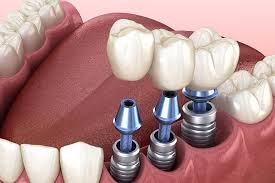
Dental implants have long been the gold standard for restoring smiles, but modern technology is taking them to unprecedented levels of precision and convenience. Gone are the days when implants required months of adjustment and multiple invasive procedures. Today, advancements in digital planning, imaging, and surgical tools are reshaping the way patients experience dental restoration, making results both more predictable and aesthetically stunning.
Digital Imaging: Precision from the Start
The foundation of modern implantology lies in advanced digital imaging. Cone beam computed tomography (CBCT) and 3D scanning enable dentists to map the jawbone in remarkable detail. By capturing the exact structure of teeth, nerves, and bone density, clinicians can plan implants with millimetre-level accuracy. This precision reduces complications and ensures that implants integrate seamlessly with the patient’s natural anatomy.
Such imaging technologies also allow for pre-surgical simulations, giving both dentists and patients a clear preview of the expected results. Patients gain confidence, knowing that their smile is not only functional but also tailored to their facial structure.
Computer-Guided Surgery: Minimising Risk, Maximising Comfort
Computer-guided surgical systems have transformed implant procedures from laborious manual operations into highly controlled processes. By translating digital treatment plans into surgical guides, dentists can place implants exactly where they were intended. This reduces the need for extensive incisions, speeds up recovery, and improves overall outcomes.
One of the most notable advancements is the application of “All-on-Four” techniques, where four strategically placed implants support an entire arch of prosthetic teeth. Learn more about how technology enhances All on Four dental implants outcomes. These systems make full-arch restorations faster, more predictable, and durable, giving patients confidence in both function and appearance.
3D Printing: Customisation at Its Finest
3D printing is revolutionising dental restorations by creating patient-specific surgical guides and prosthetics. Using high-resolution printers, clinicians can produce implants, crowns, and bridges that fit perfectly from the first try. This technology eliminates the trial-and-error adjustments of the past and ensures an aesthetic outcome that mirrors natural teeth.
Custom 3D-printed guides also allow for precise angling and positioning of implants. By reducing human error, these tools enhance surgical accuracy, promote faster healing, and improve long-term implant stability. Patients leave the clinic with restorations that are both secure and visually seamless.
Robotics and AI: The Next Frontier
Artificial intelligence and robotic assistance are beginning to make significant inroads into dental surgery. AI algorithms can analyse bone density, detect optimal implant sites, and even anticipate potential complications before they arise. Robotic arms, guided by these insights, allow for highly controlled implant placement, enhancing both safety and efficiency.
For patients with complex dental histories or compromised bone structures, these technologies open the door to treatments that were once considered risky. Surgeons can execute plans with surgical-level precision while reducing procedure time and post-operative discomfort.
Digital Smile Design: Beyond Function
Beyond the technical aspects, modern dental implant technology also enhances aesthetics. Digital Smile Design (DSD) software allows clinicians to simulate post-treatment smiles, adjusting tooth shape, alignment, and colour in virtual models. This empowers patients to visualise results before a single incision is made, blending artistry with science.
This approach fosters collaboration between patient and practitioner, ensuring outcomes that are not only functional but Insta-perfect. Patients no longer settle for generic restorations; instead, they receive a smile customised to their personality and facial structure.
Minimally Invasive Techniques: Speedy Recovery, Long-Term Success
With guided surgery, AI insights, and precision tools, dental implants today are far less invasive than traditional methods. Smaller incisions reduce trauma to gum tissue and bone, meaning quicker healing and less discomfort. Post-operative complications are minimised, and the longevity of the implant is significantly improved.
Patients benefit from fewer visits, less downtime, and a more predictable recovery timeline. Whether for single-tooth replacement or full-arch restorations, technology ensures that the patient journey is as comfortable as the results are permanent.
Patient Engagement and Education Through Social Media
Technology isn’t limited to the clinic; it also extends to how patients engage with healthcare information. Social media platforms have become powerful tools for educating Australians about dental innovations, treatment options, and post-care routines. Clinics use interactive videos, before-and-after visuals, and patient testimonials to demystify complex procedures.
By fostering transparency and accessibility, these channels empower patients to make informed decisions. Social media is transforming Australian healthcare, creating communities where individuals can share experiences, ask questions, and access professional guidance with unprecedented ease.