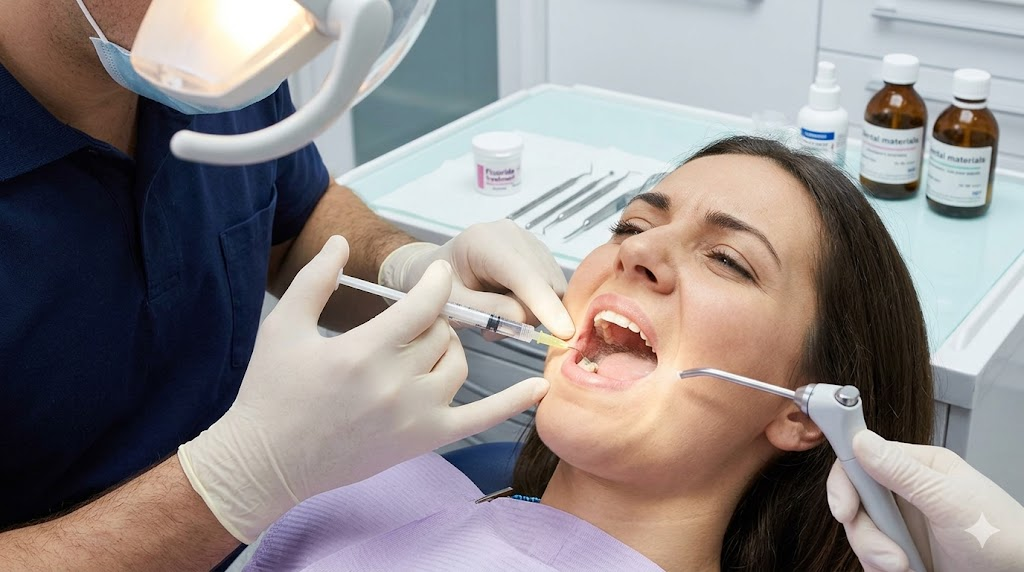
Tooth sensitivity can stop you in your tracks. Cold water hurts. Hot coffee hurts. Even breathing in cold air can feel sharp and sudden. You might start chewing on one side. You might avoid certain foods. You might worry something serious is wrong. A general dentist understands that this pain is not minor. It affects how you eat, speak, and rest. A West Chester dentist looks for the cause instead of only easing the pain. First, the dentist listens to when and where you feel sensitivity. Next, the dentist checks your teeth, gums, and bite for worn enamel, gum loss, or cracks. Then the dentist uses simple tests to confirm what is happening. From there, you and your dentist create a clear plan. You deserve steady relief and calm, not guesswork or quick fixes.
Why Your Teeth Feel Sensitive
Tooth sensitivity usually starts when the hard outer shell of the tooth wears away or when the gums pull back. This change exposes the inner layer that carries nerves. Then cold air, sweet food, or pressure reaches those nerves fast.
Common causes include:
- Enamel wear from brushing hard or using a stiff brush
- Acid from soda, sports drinks, or reflux
- Tooth grinding during sleep
- Gum disease that leads to gum loss
- Tooth decay or broken fillings
- Recent whitening or dental work
A dentist sorts through these causes. You get clear answers instead of guessing.
How Dentists Find the Cause
During an exam, the dentist looks, listens, and tests. Each step adds a piece to the story of your pain.
You can expect the dentist to:
- Ask when the pain starts and how long it lasts
- Check each tooth and the gums
- Tap and press on teeth to find sore spots
- Use cold air or cold swabs on single teeth
- Review X-rays to look for decay or cracks
Short pain from a cold often points to exposed dentin. Longer pain or pain that lingers can mean a deeper nerve problem. The goal is a clear match between the test and your story.
Common Treatment Options
Once the cause is clear, treatment starts simply. Then it builds as needed. You stay involved in each choice.
Common Sensitivity Causes and Dental Responses
| Cause | What You Feel | Typical Dental Response |
|---|---|---|
| Enamel wear | Quick pain with cold or sweet food | Desensitizing toothpaste and fluoride treatment |
| Gum recession | Sharp pain at the gum line | Bonding over roots and a gentle brushing routine |
| Tooth decay | Sensitivity and pressure pain on one tooth | Filling or crown |
| Cracked tooth | Sudden pain with bite or release | Crown or other repair |
| Grinding | General sensitivity plus jaw soreness | Night guard and bite adjustment |
| Recent whitening | Short term zingers from many teeth | Short break from whitening and sensitive toothpaste |
Simple Steps Dentists Use First
Many people get real relief from basic steps. These steps protect enamel and calm the nerve.
- Desensitizing toothpaste. The dentist may suggest a toothpaste that blocks pain signals in the tooth. You use it daily. You avoid rinsing right after brushing.
- Fluoride treatments. Fluoride hardens enamel and helps rebuild weak spots. The dentist may place a gel, foam, or varnish on sensitive teeth.
- Gentle brushing plan. You may switch to a soft brush and small circles. You may learn to avoid scrubbing side to side along the gums.
The American Dental Association explains how fluoride supports enamel and prevents decay at this resource. This same protection often eases sensitivity.
When Teeth Need Repair
Sometimes sensitivity is a warning sign. The tooth structure may need repair, not only surface care.
General dentists may use:
- Fillings to treat cavities that cause sharp pain
- Bonding to cover exposed roots or worn edges
- Crowns to support cracked or weak teeth
- Root canal therapy when the nerve is damaged and pain is deep
Each treatment removes the source of the irritation. Then it seals the tooth to stop outside triggers from reaching the nerve.
Protecting Your Teeth at Home
Your daily habits can reduce sensitivity or make it worse. The good news is that small changes help.
Helpful steps include:
- Using a soft toothbrush twice a day
- Choosing fluoride toothpaste
- Limiting soda and acidic snacks
- Rinsing with water after coffee, juice, or sports drinks
- Wearing a night guard if you grind
The National Institute of Dental and Craniofacial Research gives clear brushing and care tips at this page. These steps also support sensitive teeth.
When You Should Call a Dentist
Tooth sensitivity is common. It is not something you need to ignore or just live with.
You should contact a dentist if:
- The pain lasts more than a few days
- The pain wakes you from sleep
- You see swelling, pus, or a pimple on the gum
- You cannot chew on one side
- Pain medicine does not touch the pain
Quick care can stop more serious damage. It also protects your ability to eat and rest without fear.
Working With Your General Dentist
You and your general dentist form a team. You bring your story and your daily habits. The dentist brings training and tools. Together, you create a simple plan that fits your life.
With clear tests, step-by-step treatment, and steady home care, tooth sensitivity often improves. Relief is possible. You do not need to accept sharp pain as part of your day.