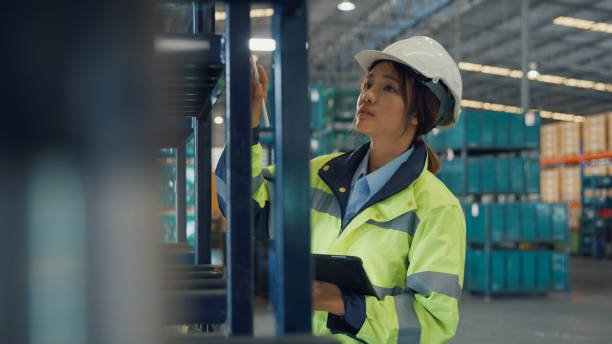
Steel is the backbone of modern civilization. From massive industrial machinery to the intricate components in an automobile engine, steel’s presence is undeniable. At the heart of this ecosystem is the industrial steel supplier—the entity responsible for ensuring that businesses have the right steel, at the right time, in the right form. Paired with the ever-evolving dynamics of the global steel market, understanding this relationship is crucial for manufacturers, investors, and industry professionals alike.
Introduction to the Industrial Steel Sector
The Demand for Steel in Industrial Applications
Industries such as automotive, oil and gas, shipbuilding, power generation, and manufacturing rely heavily on steel. This material offers unmatched versatility, strength, and cost-efficiency—making it indispensable.
Steel’s properties, including its durability, weldability, and ability to withstand pressure and heat, make it perfect for use in:
- Heavy machinery and fabrication
- Pipelines and storage tanks
- Power plants and refineries
- Manufacturing tools and equipment
As industrial demand grows, so does the need for industrial steel suppliers who can provide a reliable, efficient, and scalable source of high-quality steel.
Connecting Local Industry to Global Steel Supply Chains
The global steel market is highly interconnected. A piece of machinery assembled in India may contain steel manufactured in South Korea, processed by a supplier in China, and shipped via a European exporter. This international interdependence means industrial steel suppliers are not just regional players—they’re strategic actors in a global network.
Who is an Industrial Steel Supplier?
Role and Responsibilities
An industrial steel supplier provides steel in various forms—sheets, coils, rods, bars, tubes, and plates—to industrial clients. They work closely with steel manufacturers, stockists, and even exporters to ensure that clients get the exact specifications they need.
Their responsibilities include:
- Sourcing steel from mills and manufacturers
- Custom processing (cutting, coating, slitting, drilling)
- Quality control and documentation
- Inventory management for long-term contracts
- Logistics and timely delivery
Differences Between Industrial, Retail, and Construction Suppliers
Unlike retail suppliers that serve individual or small-business customers, or construction suppliers focused on structural products, industrial suppliers deal with bulk orders, often tailored to specific industry standards. Their clients are usually businesses with ongoing, high-volume steel requirements.
Key differentiators:
- Higher technical knowledge of steel grades
- More robust logistics and warehousing
- Strong emphasis on certifications and traceability
Types of Industrial Steel Products
Carbon Steel, Alloy Steel, Stainless Steel
Industrial steel suppliers typically offer various categories of steel to meet different mechanical and chemical requirements:
- Carbon Steel: Widely used in structural and pressure applications.
- Alloy Steel: Contains elements like chromium, nickel, or molybdenum for enhanced strength or corrosion resistance.
- Stainless Steel: Preferred in industries where hygiene and corrosion resistance are critical, such as food processing or medical equipment.
Flat Products vs. Long Products
- Flat Products: Include steel sheets, strips, and coils used in machinery casing, automotive panels, and industrial enclosures.
- Long Products: Include rods, bars, rails, and structural sections used in the creation of frameworks and heavy industrial tools.
An effective industrial steel supplier must offer a range of these products and customize them to match precise industry demands.
Importance of Industrial Steel Suppliers in Manufacturing
Support for Automotive, Machinery, and Heavy Industries
From the transmission systems in a car to the blades in a turbine, steel is everywhere. Industrial steel suppliers ensure that these components meet required tolerances, grades, and certifications. They’re not just material providers—they’re partners in production.
In sectors like:
- Automotive: Supplying ultra-high-strength steel for crash zones
- Machinery: Providing precision-cut parts for seamless assembly
- Oil & Gas: Delivering corrosion-resistant steel for pipelines and offshore rigs
Suppliers work hand-in-hand with engineering teams to align material properties with product requirements.
Inventory Management and Value-Added Services
Industrial clients often follow lean manufacturing practices. That means they depend on just-in-time (JIT) delivery, minimal storage and warehousing services, and reliable partners. Industrial steel suppliers offer services like:
- Scheduled deliveries based on production needs
- On-site inventory consignment
- Technical support for selecting the right grade or processing method
They reduce downtime, optimize manufacturing flow, and lower operational costs for their clients.
The Global Steel Market – Trends and Insights
Top Producing Countries and Global Consumption Patterns
The global steel market is driven by giants like:
- China: Producing over 1 billion tonnes annually
- India: Rapidly increasing output and domestic demand
- USA and EU: Large consumers, dependent on imports for certain grades
As per 2024 data, the global steel demand is expected to exceed 1.9 billion tonnes, driven by infrastructure development, EV production, and industrialization across Africa and Southeast Asia.
Demand Drivers: Construction, Transport, Energy
Steel demand is surging in:
- Construction: Urban expansion and smart cities
- Transportation: Railways, ships, and commercial vehicles
- Energy: Wind turbines, solar mounts, and oil rigs
Industrial steel suppliers who can align with these trends—offering specialized products and rapid service—are positioned for exponential growth.
Challenges Faced by Industrial Steel Suppliers
Price Volatility and Raw Material Costs
Steel prices fluctuate due to:
- Iron ore and coal pricing
- Global political instability
- Demand-supply mismatches
This volatility affects margins and client relationships. Industrial steel suppliers must manage long-term contracts while navigating unpredictable markets.
Trade Tariffs and Global Supply Chain Disruptions
International trade disputes, sanctions, and tariffs impact both suppliers and exporters. For instance, a 25% steel tariff in the U.S. may deter importers and shift focus to domestic sourcing, disrupting global supply dynamics.
Suppliers who can adapt quickly, diversify their sourcing, and maintain regulatory compliance will stay ahead.
Opportunities for Growth in the Steel Supply Sector
Green Steel, Automation, and Digital Platforms
Eco-conscious manufacturing is rising. Suppliers aligned with green steel initiatives—low-carbon or hydrogen-reduced steel—will appeal to future-conscious clients. Tools like AI-driven inventory systems, e-commerce platforms, and digital quality management are modernizing supplier operations.
Regional Expansions and Export Diversification
Industrial steel suppliers expanding into underserved regions, or branching into steel exporting, can tap into new markets and revenue streams. Regional warehousing, multilingual customer support, and multi-currency pricing models support this growth.
Conclusion and Strategic Outlook
The partnership between industrial steel suppliers and the global steel market is the foundation of modern manufacturing. As industries grow smarter, greener, and more connected, suppliers must evolve. Success lies in being adaptive, tech-driven, and globally minded—meeting industrial needs with speed, quality, and innovation.
Steel isn’t just a product—it’s a promise of performance. And industrial steel suppliers are the ones delivering that promise every day.