
Introduction
Nowadays, we live in the digital era and the internet has turned into a huge network where millions of devices connect and communicate with each other each second. In the middle of this communication, the transfer of the data between the web servers and clients is enabled by two important protocols: HTTP and HTTPS. These are the protocols on which the communication over the web is based, allowing the users to access websites, transmit data, and communicate with different online services. Nevertheless, the difference between HTTP and HTTPS, especially the use of security in HTTPS has become a critical part of web usage today. This paper will discuss data transfer over the web over HTTP and HTTPS, the significance of safe communication over HTTPS and why encryption and security measures are crucial in the contemporary digital world.
What is HTTP?
The Basics of HTTP
The web is based on Hypertext Transfer Protocol (HTTP) to exchange data. It specifies the format of messages and their transfer between a web server and a client, who is usually a browser. In the address bar of your browser, when you enter a URL, your browser makes an HTTP request to the server that is hosting the web site. And the server replies with the requested information, which is translated by your browser to show the webpage.
The HTTP protocol uses a request-response scheme:
- Request: The client (browser) makes a request to the server.
- Response: The server will take the request and will send the corresponding response, a webpage, image, video or any other form of data.
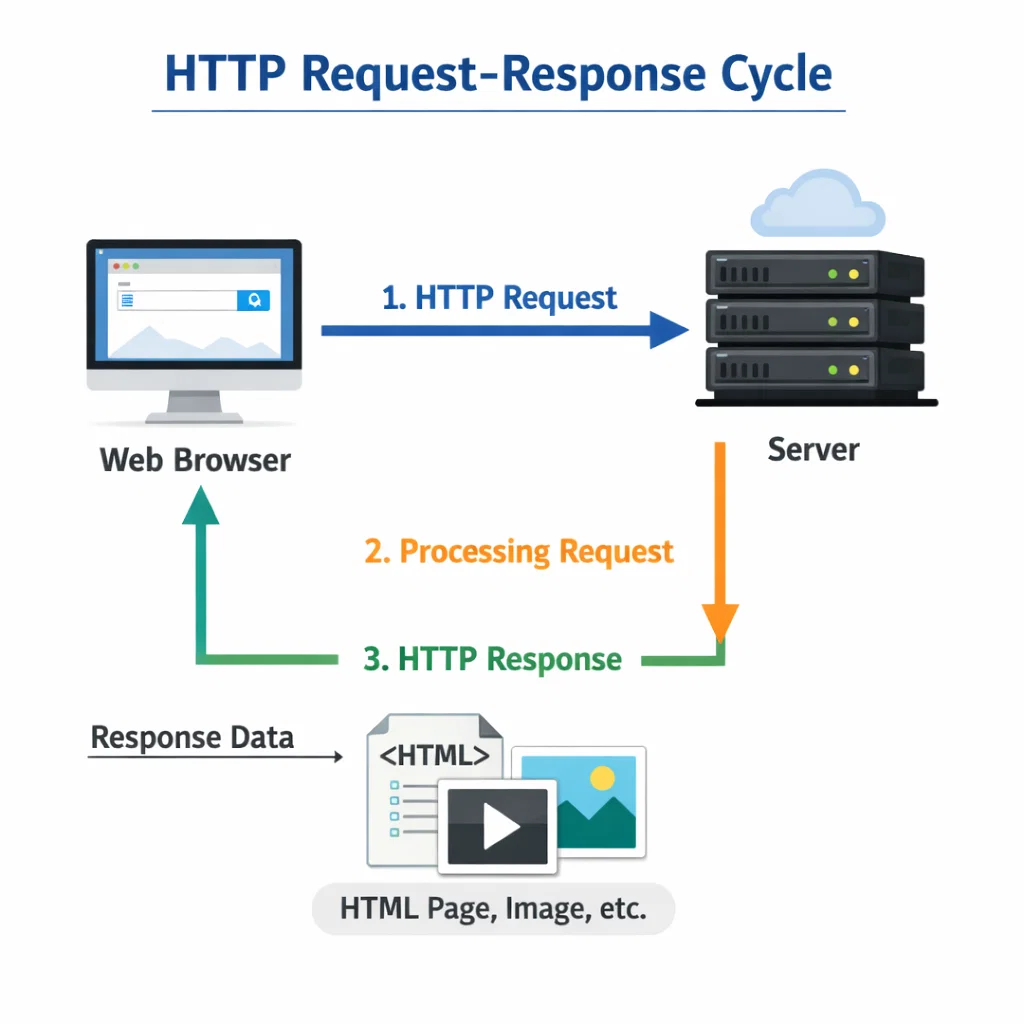
This communication is done on the TCP/IP protocol that is reliable when delivering data. Nevertheless, HTTP is not a guarantee of confidentiality or integrity of the data being transported. Enter HTTPS.
What is HTTPS?
The Basics of HTTPS
Hypertext Transfer Protocol Secure (also known as HTTPS) is the extension of HTTP that provides extra security through encryption of the data transmitted between the client and the server. The protocol is the Secure Socket Layer (SSL) or the Transport Layer Security (TLS) protocol used by HTTPS to establish a secure connection. This secure connection guarantees that no data can be eavesdropped, tampered with or forged on the web.
How HTTPS Works
- SSL/TLS Handshake: When a client is trying to connect to a server using HTTPS, the process of the SSL/TLS handshake takes place. This includes the client and server agreeing on encryption techniques, communicating encryption keys and checking the identity of the server via a digital certificate.
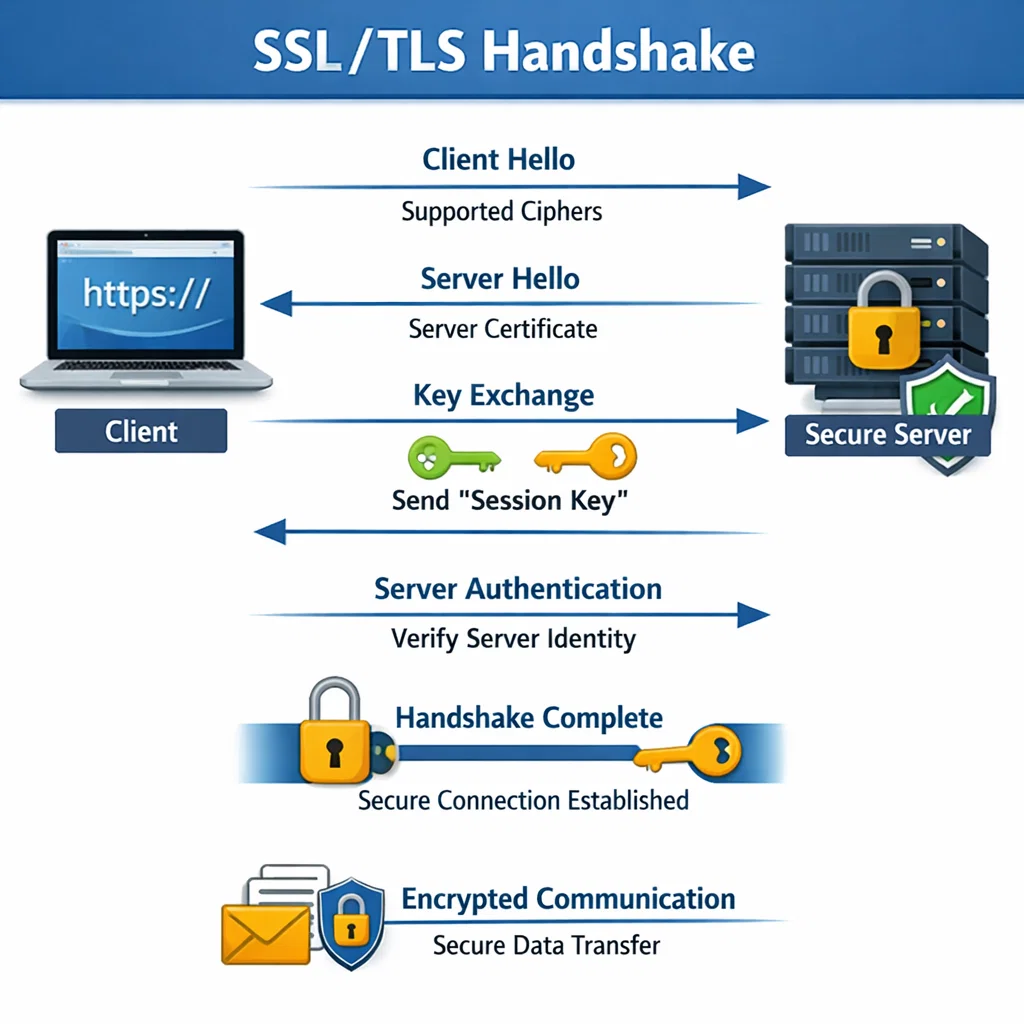
- Data Encryption: Data is encrypted after connection is made between the client and the server. This eliminates the chances of third parties who may be unauthorized to intercept and read the data.
- Data Integrity: SSL/TLS also provides that the information transmitted between the server and client is not manipulated along the way. Alterations in the data will lead to an error and corrupt data cannot be processed.
- Authentication: The server is also authenticated by a digital certificate by the SSL/TLS protocol. This assists users to make sure that they are talking to the right web site, which avoids man-in-the-middle attacks.
How Data is Transmitted Across the Web
Information transfer over the web is largely founded on the request-response scheme of HTTP/HTTPS. This is a simplified summary of the data flow:
- Client Request: Once the user has typed in a URL into their web browser, the browser constructs an HTTP or HTTPS request. This request usually entails:
- Request Method: This could be a GET (retrieve data) or POST (send data) request.
- Headers: These include data about the type of browser, accepted response types and cookies.
- Body: In case of POST, the body contains the data to be forwarded to the server, e.g. form submissions.
- Server Processing: After the request is received by the server, it processes the information and produces a response. This response includes:
- Status Code: This is to show whether the request was successful (200 OK), the resource was not found (404 Not Found), or an error occurred (500 Internal Server Error).
- Headers: They can consist of content type, content length and cache control.
- Body: This includes the content being requested, like an HTML page, an image, or a JSON document.
- Transmission: The information is sent across the network either by the unencrypted HTTP protocol or encrypted HTTPS protocol. In case of HTTPS, the data is encrypted, which means that any confidential data (such as login credentials or payment data) will be safe on its way.
- Client Response: The client (browser) obtains the response, interprets the data and shows the content to the user.
The Value of Secure Communication Using HTTPS
The problem of secure communication with the use of HTTPS cannot be overestimated in the modern world where data breaches, identity theft, and cyberattacks are becoming more and more frequent. The following are major reasons why HTTPS is essential to the contemporary web apps:
- Encryption and Privacy: HTTPS encrypts all data sent between the client and the server, and keeps personal data, like login credentials, personal details and payment information confidential. In the absence of encryption, hackers can capture and decipher data transmitting through the network, particularly unsecured Wi-Fi networks.
- Data Integrity: HTTPS is used to protect the data that is sent and received, it cannot be modified or altered in any way during its transmission. It is especially significant in applications that are sensitive to data integrity like online banking or e-commerce sites.
- Authentication and Trust: HTTPS enables websites to identify themselves with the help of the SSL/TLS certificates. This authentication procedure permits users to understand that they are connecting with the valid site and not a harmful agent pretending as such (e.g., in phishing assaults). The padlock symbol or green address bar of sites with HTTPS is also shown on most of the browsers, increasing the confidence of users.

- SEO and Ranking: Google and other search engines prefer websites with HTTPS-security in search results. Websites failing to utilize HTTPS are prone to be labeled as insecure thus may not attract people to access the site. In the case of businesses, this may make them lose prospective customers.
- Compliance with Regulations: Many regulations, such as the General Data Protection Regulation (GDPR) in Europe and the Health Insurance Portability and Accountability Act (HIPAA) in the United States, require the use of secure communication methods when handling personal or sensitive data. Websites dealing with such information are legally bound to ensure the privacy of users by encrypting information.
- Man-in-the-Middle Attack Prevention: HTTPS prevents man-in-the-middle (MITM) attacks, where the attacker hacks into and modifies the communication between the client and the server. The data is encrypted and the identity of the server is verified by HTTPS, which helps to avoid such attacks and achieve safe communication.
The Increasing Necessity of HTTPS in the Digital World
With the increasing sophistication of cyber threats, the use of HTTPS nowadays is an inevitable prerequisite of the webpage owners. Indeed, such popular browsers as Google Chrome and Mozilla Firefox now display the label of the HTTP websites as being Not Secure, which warns users about the possible risks. This change highlights the growing importance of webmasters and businesses to use HTTPS to not only keep their users safe but to remain credible and competitive in the online market.
Why You Need to Change to HTTPS
If your website still uses HTTP, it’s time to make the switch to HTTPS. It does not only enhance the security and privacy of your site, but also the credibility of your web site and its ranking on the search engine. Get to know about the significance of using secure communication using HTTPS and how it can save your users.
Conclusion
The web communication is based on HTTP and HTTPS whereby the former forms the basis of data transfer over the web whereas the latter offers the required security to safeguard sensitive data. As cyber threats are increasingly becoming common, HTTPS is no longer optional but critical in safeguarding privacy and integrity of user-data. Implementing HTTPS, websites can guarantee safe communication, establish trust within users, enhance search engines, and meet regulatory requirements. With the ever-growing digital future, the importance of HTTPS in protecting the web is more than ever before.