Senior pets give you quiet loyalty and soft eyes. They also need different care than they did years ago. Age brings sore joints, weak teeth, and slow hearts. It can also bring confusion, fear, and long nights for both of you. A trusted clinic helps you face these changes with clear steps. Regular visits catch small problems before they steal comfort. Simple tests show what your pet cannot say. Gentle hands and honest words guide you through choices about food, movement, and pain control. If you work with a veterinarian in Houston, TX or any other city, your clinic can build a plan that fits your pet and your life. This blog explains how clinic teams support senior pets through exams, home care tips, and end of life planning. You do not have to walk this road alone.
Understanding When Your Pet Becomes “Senior”
Clinics help you know when your pet crosses into senior years. Age depends on size and species. A small dog may feel old later than a large dog. A cat may stay active longer than both.
Veterinarians often use age ranges from studies at places like the American Veterinary Medical Association. You do not need to remember the science. You only need to know when to adjust care.
Common Senior Age Ranges for Pets
| Pet Type | Body Size | Typical Senior Age |
|---|---|---|
| Dog | Small (under 20 lbs) | 10 years and older |
| Dog | Medium (20 to 50 lbs) | 8 years and older |
| Dog | Large (over 50 lbs) | 6 to 7 years and older |
| Cat | All sizes | 10 years and older |
Once your pet reaches these ages, your clinic will likely suggest more frequent checks. This protects comfort and can also protect your wallet by catching disease early.
Senior Wellness Exams You Can Expect
Routine care is more effective after treatment when you and your clinic follow a clear plan. Senior wellness exams go beyond a quick look and a shot. The team listens to you and then studies your pet from nose to tail.
Most senior visits include three key parts.
First, there is a full talk. You share changes you see at home. You might mention:
- More thirst or more trips to the litter box
- Limping, stiff steps, or slow rises
- New lumps or weight loss
- Confusion, staring, or night pacing
Second, there is a hands on exam. The veterinarian checks:
- Eyes, ears, and mouth for pain or infection
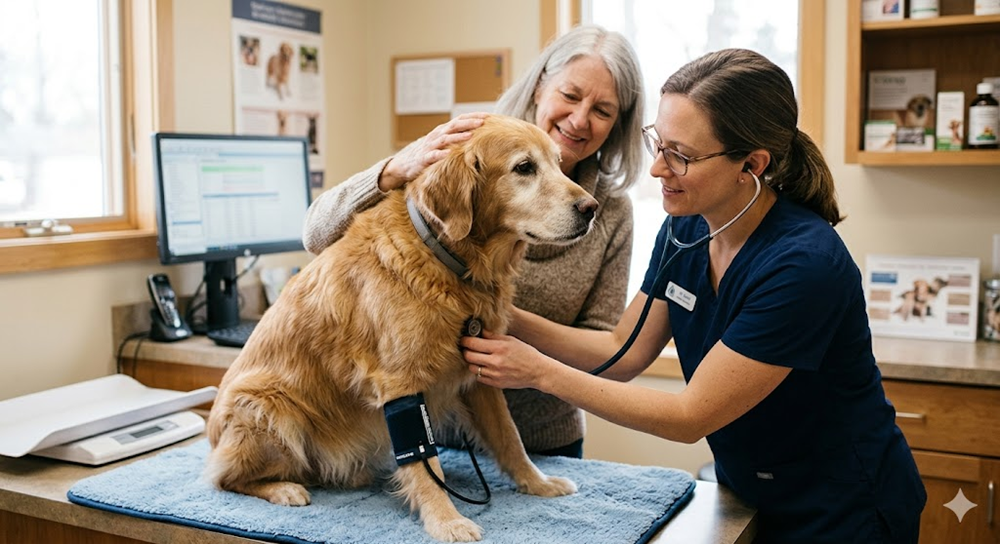
- Heart and lungs with a stethoscope
- Joints for swelling and pain
- Abdomen for thick organs or masses
Third, there are tests. Many clinics suggest blood work and urine tests at least once a year for seniors. These can uncover kidney disease, diabetes, thyroid disease, and other silent threats. The U.S. Food and Drug Administration shares guidance that supports regular veterinary checks for ongoing health.
Pain Control and Joint Support
Many senior pets live with hidden pain. They may not cry. Instead they move less, sleep more, or avoid stairs. Clinics help you spot this and bring relief.
Typical supports include:
- Weight control to ease stress on joints
- Safe pain medicine that matches age and organ function
- Joint support supplements when needed
- Simple home changes like rugs on slick floors and ramps
You play a central role. You watch your pet each day. Your clinic gives you a clear pain plan and adjusts it when you report changes. That partnership keeps your pet more peaceful.
Nutrition and Weight Management
Food needs change with age. Senior pets often need fewer calories and more support for joints and organs. Some need special diets for kidney, heart, or stomach disease.
Your clinic can:
- Check body condition with hands and eyes
- Set a target weight and feeding plan
- Recommend senior diets or medical diets when needed
At home, you can:
- Measure food with a cup instead of guessing
- Limit treats and share love with touch and play
- Return for weight checks every few months
These small steps protect joints and organs and often add years of comfort.
Keeping Minds Sharp and Hearts Steady
Senior pets can show signs of brain aging. They may get lost in familiar rooms. They may wake at night or forget house training. This can leave you drained and guilty.
Clinics support you through:
- Screening for cognitive decline with simple questions
- Ruling out other causes like pain or infection
- Suggesting food, puzzles, and routines that support brain health
- Prescribing medicine when it may help
You can also keep your pet engaged with calm walks, gentle training, and safe toys. Even short daily play can ease worry for both of you.
Planning for Crises and Emergencies
Senior pets face higher risk during heat, cold, and sudden illness. Your clinic can help you prepare before a crisis hits.
Ask your team to help you:
- List warning signs that need urgent care
- Know which emergency clinic to use after hours
- Keep written records of medicines and doses
Preparation does not invite harm. It gives you control when fear rises. You will act faster and with less doubt.
End of Life Talks and Support
This stage brings heavy emotion. You may feel torn between hope and mercy. A clinic can guide you through this with calm honesty.
Support often includes three steps.
First, the team helps you define good days versus hard days. You might track appetite, mobility, and joy with a simple chart.
Next, you talk through options. These may include stronger pain control, hospice style care at home, or euthanasia when suffering grows.
Finally, the clinic explains what to expect. They answer questions about the process, your presence, and choices for remains. Clear facts reduce fear and regret.
How You And Your Clinic Work Together
Senior pet wellness is a shared duty. Your clinic brings training and tools. You bring daily insight and deep care.
You can support your pet by:
- Scheduling senior checks at least once a year, often twice
- Keeping a list of questions and changes before each visit
- Giving medicines exactly as directed
- Calling when something feels wrong, even if it seems small
With this partnership, your senior pet can enjoy more calm days, softer pain, and steady love. You cannot stop aging. You can shape how your pet moves through it, with your veterinary clinic walking beside you.